
Disclosure: this article contains affiliate links. If you buy through them, we may earn a commission at no extra cost to you. How this works.
Short answer
Dog training at home works when it is short, daily and in the right order: attention first, impulse control second, and only then the specific problems — pulling, barking, jumping, biting.
Below is a 30-day plan in ten-minute sessions, with the week-by-week goal, the skill it builds and the article that covers each step in detail.
Prefer a ready-made curriculum?
- The same progression, graded: focus games, then impulse control, then problem solving
- Video demonstration for every game and a troubleshooting section
- Behavior-problem archive and private forum
- One payment of $67, money-back guarantee
Why the order matters more than the method
Most people start with the problem: the dog pulls, so they buy a harness; the dog barks, so they try a spray bottle. It rarely holds, because the dog has no reliable way to check in with you when it matters.
Attention comes first. A dog that looks at you when you say his name has a channel you can use for everything else. Impulse control comes second, because every one of the common problems is the same missing skill wearing a different costume.
Only then do you work on the specific behavior, and by that point half of it has already improved on its own.
The 30-day plan
Week one and two run indoors with these seven games. Week three moves outside with the leash plan.
| Week | Goal | Ten minutes a day | Where to read the detail |
|---|---|---|---|
| 1 | Attention and marker timing | Name game, hand target, “find it” scatter | Indoor games |
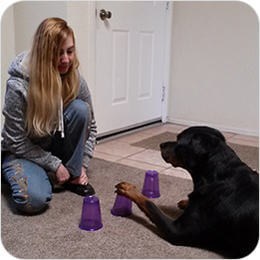
| 2 | Impulse control | Place and wait, three cups, door routine | Indoor games |
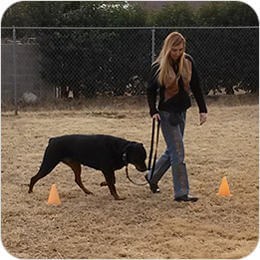
| 3 | Leash manners | Door reset, position rewards, stop-on-tension | Leash plan |
| 4 | Real life | Recall, greeting guests, settling while you work | Recall and greetings |
The rules that make any session work
- Mark, then feed. A word (“yes”) at the instant the dog is right, food a second later.
- Pea-sized treats. Twenty repetitions beat five big rewards.
- Stop on a win. End while the dog still wants another round.
- One criterion at a time. Either distance, or duration, or distraction — never two at once.
- Same cue, same word. Whole household, one vocabulary.
What to expect week by week
Week one usually feels too easy, and that is the point: you are teaching the dog that paying attention pays, in a room with nothing else going on.
Week two is where owners notice the first real change at home — the dog starts waiting instead of shoving through doors, and the house gets quieter.
Week three is the frustrating one, because outside is a different planet. Expect to drop back a level when the environment gets harder; that is not failure, it is how context works for dogs.
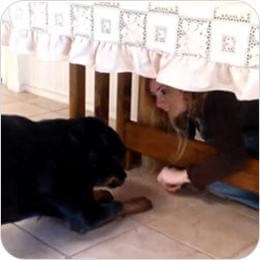
Week four is when the training starts showing up unprompted: the dog settles under the table, comes when called in the yard, keeps four feet on the floor when someone arrives.
The four problems this plan solves
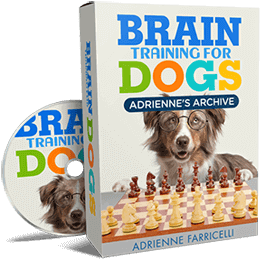
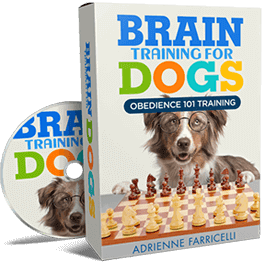
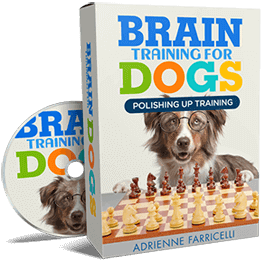
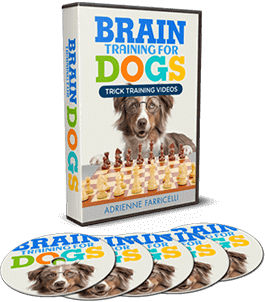
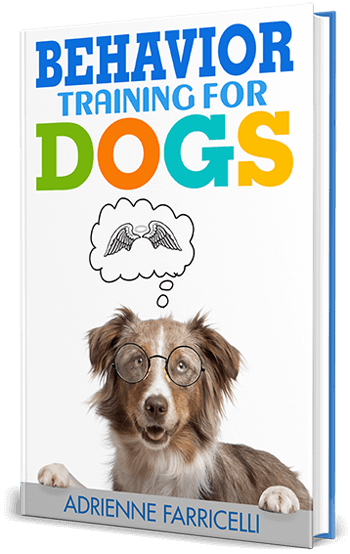
If you would rather follow a structured curriculum instead of assembling one, the graded version of exactly this progression — focus games, then impulse control, then problem solving, with video for each step — is the Brain Training for Dogs program.
- Pulling on the leash — the tension rule, in the leash plan.
- Barking at the window — management plus an alternative behavior, in the barking guide.
- Jumping on guests — the four-on-the-floor routine, in the greeting guide.
- Puppy biting — bite inhibition, in the puppy guide.
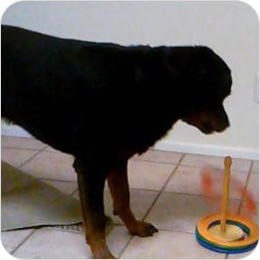
A look inside Brain Training for Dogs


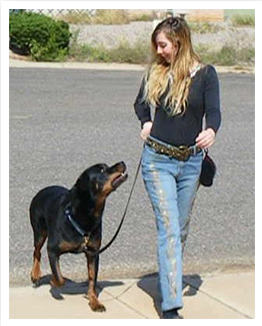
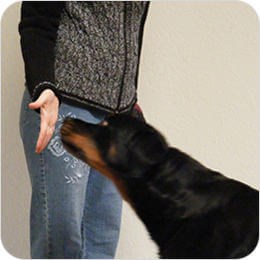
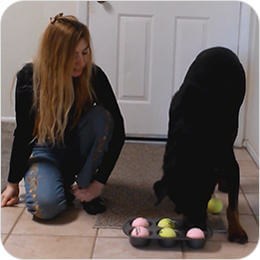
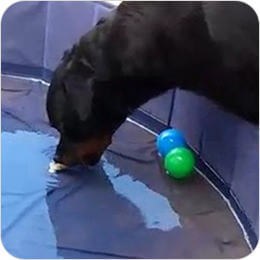






Who this plan is for
- You have ten minutes a day and no interest in hour-long sessions.
- You want force-free methods you can run in the living room.
- You have a new puppy, or an adult dog who never had structure.
- You want the order of operations, not a pile of tips.
FAQ
How long should each session be?
Five to ten minutes. Attention fades fast in dogs and in people, and short sessions are the ones you actually do every day.
My dog already knows sit. Can I skip week one?
Test it first: say his name once, in a room with a distraction, and see if you get eye contact. If not, week one is exactly what is missing.
Do I need a clicker?
No. A consistent marker word works the same way. The clicker is just faster and more precise if you like using one.
What if two people train differently?
Agree on the cue words and the rules before you start. Dogs handle different people fine; they do not handle different rules.
Next step
Start tonight with week one: five minutes of the name game before dinner. Then work down this page in order, one week at a time.
Based on standard force-free, positive-reinforcement training practice as taught by certified trainers.