Disclosure: this article contains affiliate links. If you buy through them, we may earn a commission at no extra cost to you. How this works.
Short answer
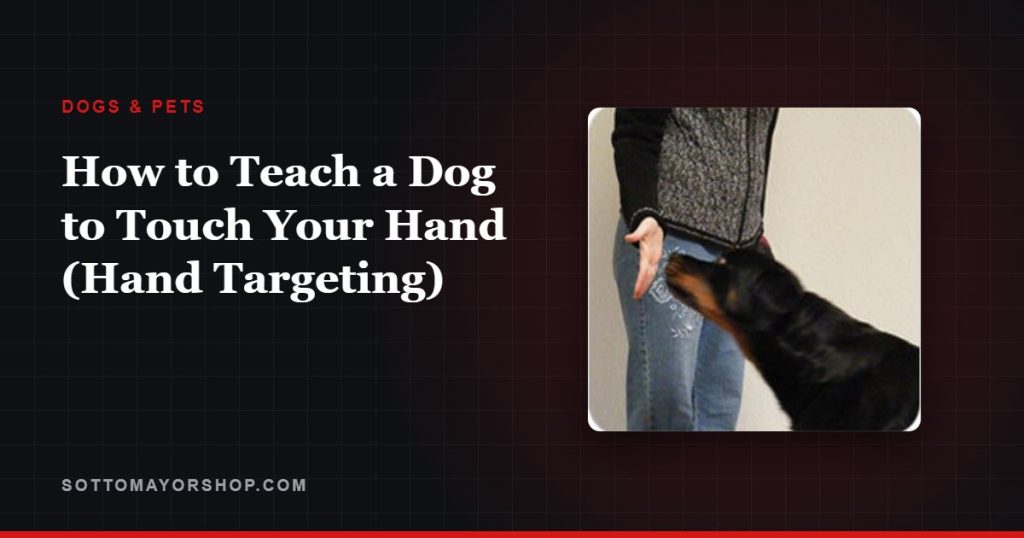
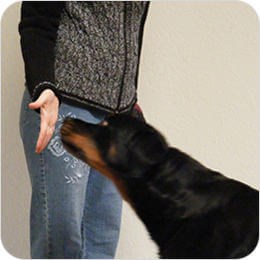
To teach a dog to touch your hand, hold a flat palm a few inches from its nose, mark the moment its nose bumps your hand, and reward. After a few repetitions, add the cue touch and start moving your hand to new places.
Hand targeting is one of the most useful things you can teach: it becomes a recall, a way to move your dog without pulling, and a job that calms a nervous dog.
21+ brain games, organized from easy to advanced
- Created by Adrienne Farricelli, a CPDT-KA certified trainer
- 21+ force-free games in graded modules, with video demonstrations
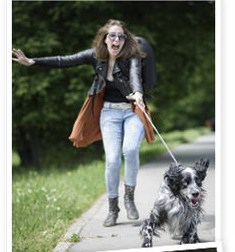
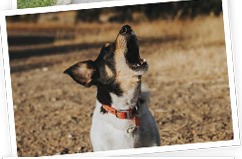
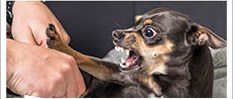
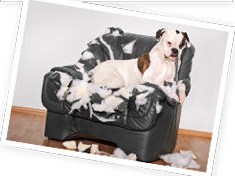
- An archive of solutions for barking, chewing, jumping, digging and more
- Instant access and a 60-day money-back guarantee
Five steps to a nose touch
- Present: hold a flat palm, fingers together, a few inches from the dog’s nose.
- Mark and reward: most dogs sniff a new hand. The instant the nose touches, say yes and give a treat from your other hand.
- Move the hand: offer the palm slightly left, right, higher and lower, so the dog has to move to touch it.
- Add the cue: once the dog touches reliably, say touch just before you present your hand.
- Add distance: hold your hand a step away, then two, so the dog comes to you to touch.
What you can do with a hand target
| Use | How it works |
|---|---|
| Recall | Hold your hand at your side and say touch; the dog runs in to bump it |
| Moving the dog | Guide it off the sofa or out of a doorway without grabbing the collar |
| Loose-leash walking | A hand at your leg brings the dog back beside you |
| Vet and grooming | A touch-and-hold keeps the dog’s head still for a moment |
| Nervous moments | A familiar, easy task gives a worried dog something to do |
Use it for recall
Because the touch is fun and easy, many dogs will run across a room for it. Practice it as a mini-recall indoors, then in the yard, with a great reward every time. It becomes a backup for your main recall cue — see dog recall training for the full plan.
Targeting beyond your hand
Once your dog understands targeting, you can transfer it to objects: a sticky note on a door, a bell to ring when it needs to go out, a light switch, or a spot on the floor. Put the object in your hand first, then move it gradually to its place.
Targeting is also the foundation for many tricks — like the ones in dog tricks to teach — because it lets you guide the dog’s nose without a lure.
Common mistakes
- Pushing your hand into the dog’s face. The dog should move to the hand, not the other way around.
- Repeating touch when the dog hesitates. Take the hand away, wait a moment and present it again.
- Rewarding from the target hand, which turns it into a lure. Reward from the other hand.
- Practicing only in the kitchen. Take it everywhere.
A short practice plan
Two or three one-minute sessions a day are enough. In the first week, work on touching at different heights and sides; in the second, add distance and a few mild distractions; by the third, use it on walks and in the yard.
Targeting in brain training
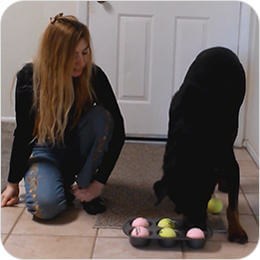
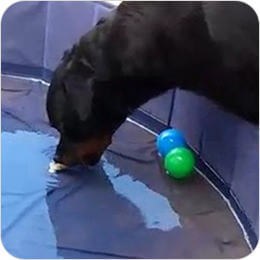
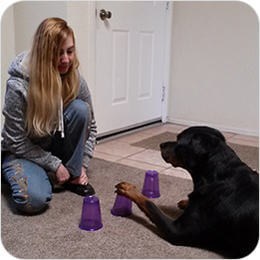
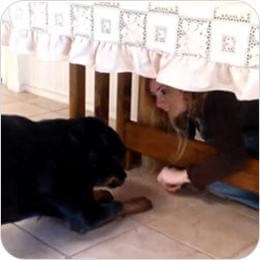
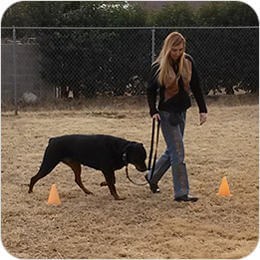
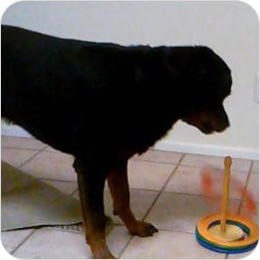
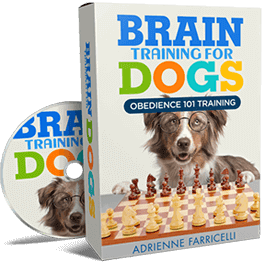
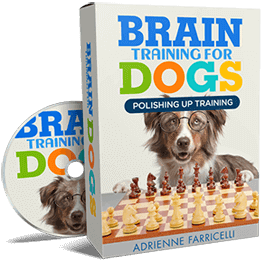
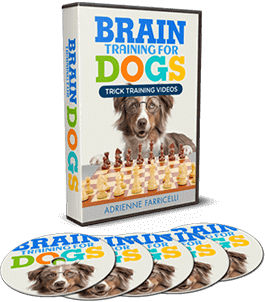
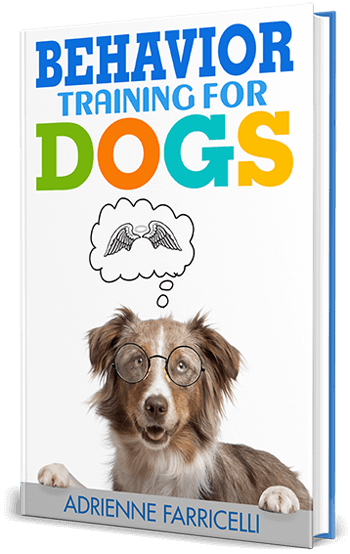
Brain Training for Dogs teaches targeting as part of its games, and shows how to use it to get a dog to open doors, ring bells or turn off lights. The program has more than 21 brain games and an Obedience 101 section, created by CPDT-KA certified trainer Adrienne Farricelli.
A look inside Brain Training for Dogs

FAQ
What is hand targeting for dogs?
A cue that teaches the dog to touch its nose to your palm. It is used for recall, guiding the dog and many tricks.
How long does it take to teach a dog to touch?
Most dogs learn the basic touch in one or two short sessions. Using it reliably at a distance takes a couple of weeks.
Why won’t my dog touch my hand?
The hand may be too close, moving toward the dog, or smelling of treats in a confusing way. Present it a few inches away and wait.
Can I use hand targeting for recall?
Yes. It works well as a fun, short-distance recall and as a backup to your main recall cue.
Next step
Try it right now: a flat palm near your dog’s nose, a yes the moment it touches, a treat from the other hand — five times.
Based on standard force-free targeting methods used in pet and professional dog training. Product details for Brain Training for Dogs are from the vendor’s published page as of September 29, 2026.