Disclosure: this article contains affiliate links. If you buy through them, we may earn a commission at no extra cost to you. How this works.
Short answer
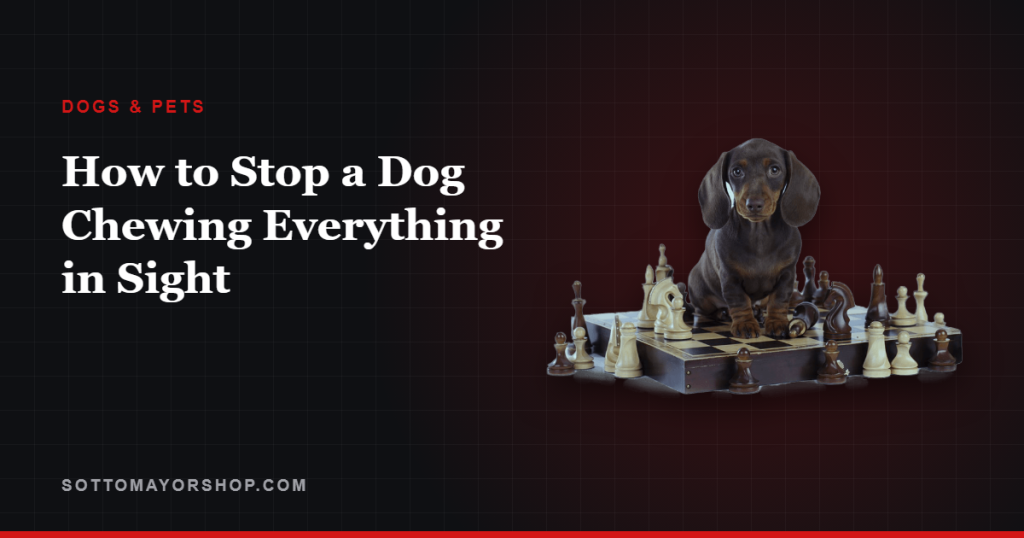
To stop a dog chewing the wrong things, you do not stop the chewing. Chewing is a need, not a vice: puppies chew to soothe teething gums, and adult dogs chew to relieve boredom and stress.
The plan has three parts. Control what is within reach, give the dog better things to chew than your furniture, and meet the need behind the chewing with exercise and brain work.
A step-by-step program for chewing and other habits
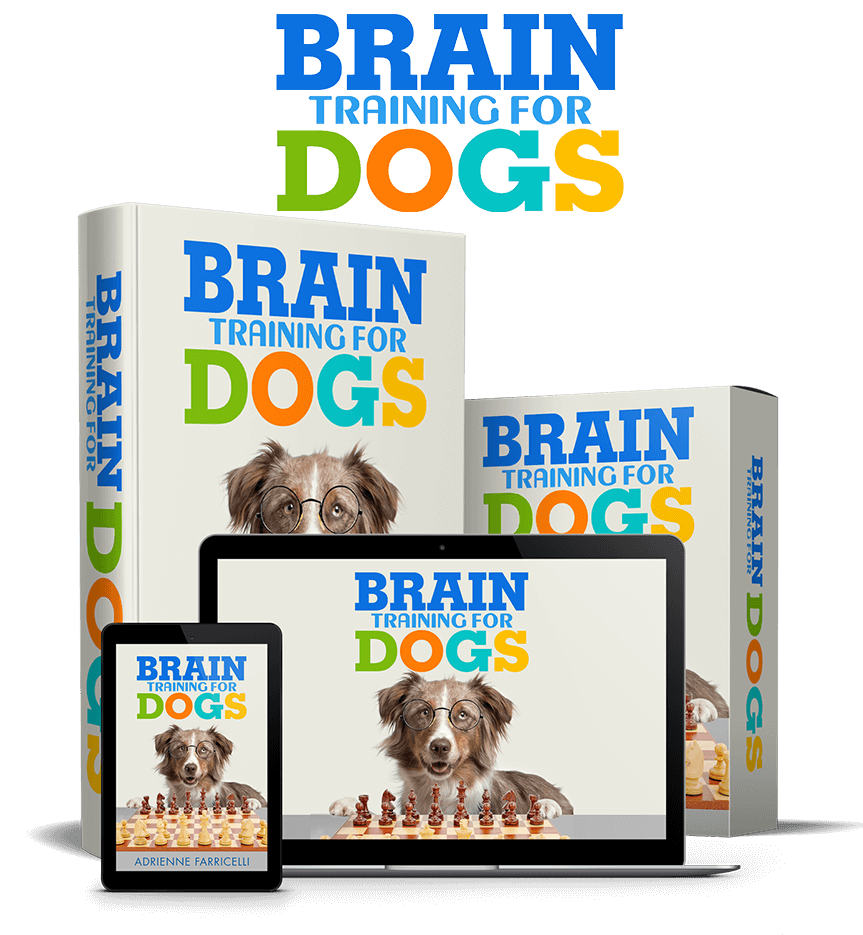
- Created by Adrienne Farricelli, a CPDT-KA certified trainer
- 21+ force-free games in graded modules, with video demonstrations
- An archive of solutions for barking, chewing, jumping, digging and more
- Instant access and a 60-day money-back guarantee
Why dogs chew
The reason decides the fix, so start there. Puppies usually finish teething around six months, when the adult teeth are in, but many dogs go through a second round of heavy chewing in adolescence before they settle.
| Cause | What it looks like | What helps |
|---|---|---|
| Teething (about 3 to 6 months) | The puppy chews everything, especially hard edges | Cold rubber toys, a frozen wet washcloth |
| Adolescence | A second wave of chewing in a young dog | More structure and more legal chews |
| Boredom | Chewing in quiet hours, often the same spots | Exercise, food puzzles, short training sessions |
| Being left alone | Damage at doors and windows soon after you leave | A separation plan, not more toys |
| Food seeking | Raiding bins, bags and packaging | Secure the bins, feed from puzzles |
Step 1 — Manage what the dog can reach
Every successful chew on a shoe teaches the dog that shoes are chew toys. Until the new habits are in place, the job is to make the wrong things unavailable.
- Get down to dog height and clear the floor: shoes, remotes, children’s toys, laundry.
- Cover or route cables out of reach; a chewed live cable is a genuine danger.
- Use baby gates to keep the dog in rooms you have already dog-proofed.
- When you cannot supervise, use a crate or a pen with a chew inside. The seven-day crate plan builds that without the crying.
Step 2 — Give better things to chew
- Offer variety. Rubber, rope and edible chews satisfy different urges. Most dogs have a favorite texture, and finding it is half the job.
- Rotate the toys. Put half away and swap them every few days. Old toys become new again.
- Freeze a stuffed food toy. A rubber toy packed with wet food and frozen overnight buys twenty quiet minutes.
- Check hardness. If you cannot press a thumbnail into a chew, it may be hard enough to crack a tooth. Many vets steer owners away from antlers, hooves and cooked bones for that reason; cooked bones can also splinter.
- Supervise edible chews, and choose sizes the dog cannot swallow whole.
Step 3 — Trade instead of chasing
When the dog has something it should not, offer something better and pay for the drop. Chasing turns a sock into the best game in the house, and it teaches the dog to run off with its prize next time.
Practice the swap on low-value items until it is automatic. The same exchange sits at the heart of the plan in resource guarding, where giving things up has to feel like a good deal.
Step 4 — Meet the need behind the chewing
A dog with an outlet for its brain chews less. Ten minutes of sniffing, searching and problem solving does more for a bored dog than an extra lap of the block, and the games in dog mental stimulation need nothing you do not already own.
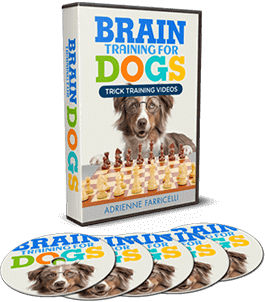
If you want that brain work laid out day by day, Brain Training for Dogs has more than 21 games with step-by-step guides and video demonstrations, and chewing things he shouldn’t is on the list of problems it covers. It was created by Adrienne Farricelli, a CPDT-KA certified trainer.
When the chewing only happens while you are gone
Damage at the door or the window frame, starting within minutes of you leaving, is a different problem. That pattern usually points to separation distress, and more chew toys will not touch it. The plan in separation anxiety, built on seconds will.
And if a dog swallows non-food items — socks, stones, fabric — rather than just chewing them, talk to your vet. Swallowed objects can cause blockages, and the habit sometimes has a medical cause.
What not to do
- Do not punish after the fact. The dog cannot connect a telling-off to a shoe it chewed an hour ago.
- Do not hand over old shoes as toys. A dog cannot tell an old shoe from a new one.
- Do not rely on bitter sprays alone. Some dogs ignore the taste; they work best as a backup on things you cannot move, like table legs.
- Do not leave a young dog loose and unsupervised in a room full of temptation. That is a test the dog will fail.
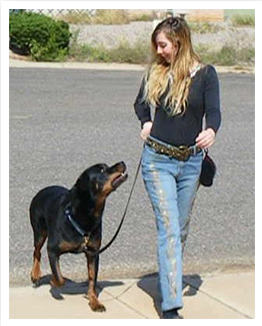
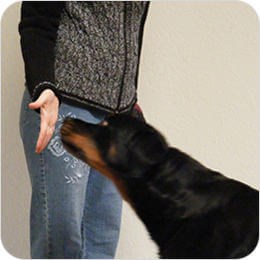
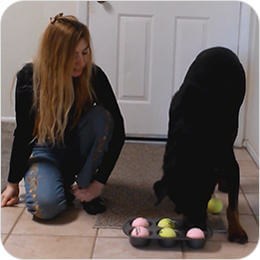
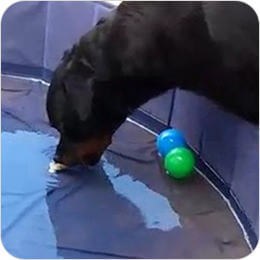
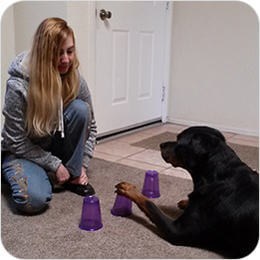
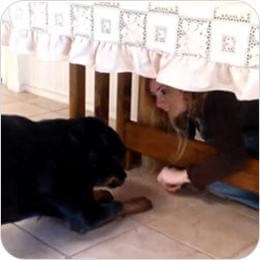
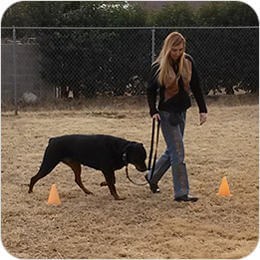
A look inside Brain Training for Dogs

FAQ
At what age do puppies stop chewing?
Teething usually ends around six months. Many dogs chew heavily again in adolescence and settle between one and two years old, especially when they have had legal chews and structure all along.
Do bitter sprays stop chewing?
For some dogs, as a backup. They help most on furniture you cannot move, and only alongside better things to chew. Some dogs do not mind the taste at all.
What chews are safe for dogs?
Chews sized so they cannot be swallowed whole, with a little give when you press a thumbnail into them. Supervise edible chews, and leave cooked bones out entirely.
Why does my dog only chew things when I leave?
Chewing that starts soon after you leave, often at doors and windows, usually points to separation distress. It needs a graduated plan for time alone, not more toys.
Next step
Tonight, walk the house at dog height and pick up everything you would hate to lose. Then put two legal chews in every room your dog uses.
Based on standard force-free training practice for destructive chewing and on common veterinary guidance on chew safety. Product details for Brain Training for Dogs are from the vendor’s published page as of September 29, 2026.