
Disclosure: this article contains affiliate links. If you buy through them, we may earn a commission at no extra cost to you. How this works.
Short answer
Dog separation anxiety is a panic disorder, not disobedience or spite. The dog is not protesting being left; it is frightened of being alone, and no amount of exercise or firmness treats fear.
The treatment is absences the dog can handle, starting at seconds, going up slowly, and never past the point where panic starts. It is slow, it is boring, and it works.
Force-free training that goes at your dog’s pace
- Created by Adrienne Farricelli, a CPDT-KA certified trainer
- 21+ force-free games in graded modules, with video demonstrations
- An archive of solutions for barking, chewing, jumping, digging and more
- Instant access and a 60-day money-back guarantee
How to know that is what you have
Set up a camera or a phone and watch the first thirty minutes after you leave. That recording is the whole diagnosis, and almost nobody makes it before starting to guess.
Separation distress looks like: vocalising that starts within minutes and does not stop, pacing a repeated path, drooling, panting, scratching at the exit point specifically, refusing food, sometimes soiling in a house-trained dog.
Boredom looks different: the dog settles, sleeps, wakes up and finds something to chew, usually something interesting rather than a door frame. Boredom responds to enrichment. Panic does not.
The rule that makes everything else work
The dog must not be left alone past the point where it panics — not once, not for the commute, not for a quick shop. Every panic episode sets the work back.
That usually means arranging cover for a few weeks: a sitter, a neighbour, daycare, family, working from home, taking the dog with you. Nothing in the protocol works around a daily eight-hour absence.
This is the part owners resist, and it is also the part that decides whether the plan succeeds. Treating it while the dog is still panicking most days is like re-breaking a bone every week.
The protocol, in seconds
Watch the camera every session. The criterion is never the clock — it is whether the dog stayed relaxed. If it did not, the last step was too big.
| Stage | What you do | How long | Move on when |
|---|---|---|---|
| Pre-departure | Pick up keys, put on shoes, sit back down | Until it is boring | The dog stops reacting to the cues |
| Threshold | Open the door, close it, stay in | Seconds | The dog stays settled |
| Out and back | Step outside, return immediately | 1–5 seconds | Three calm reps in a row |
| Short absence | Out of sight, return | 10 sec – 2 min | Dog is relaxed on camera |
| Building | Vary the times, never a steady climb | 2–30 min | Relaxed at each length |
| Real life | Normal absences | As needed | Camera shows sleep, not vigilance |
The departure cues
Most anxious dogs start unravelling before you leave, because shoes, keys, a coat and a particular bag have become reliable predictors of being alone.
Break the prediction by doing the cues without leaving, dozens of times, until they mean nothing. Pick up the keys and make coffee. Put on your shoes and watch television.
Do not creep out quietly or make a ceremony of goodbyes. Both add weight to the moment. Leave the way you would leave a room.
What does not fix it
- More exercise. A tired dog still panics; it just panics tired.
- A second dog. The attachment is usually to people, and now you may have two dogs to work with.
- Crating a panicking dog. For some dogs the crate helps; for a dog that panics in it, it turns fear into injury. The camera tells you which you have.
- Punishment on return. The dog cannot connect it to hours ago, and it makes your return frightening too.
- Waiting it out. Untreated, it usually gets worse, because every episode rehearses the panic.
What helps alongside
A settle routine gives the dog something practised to do with itself, and it transfers to being alone — start with teaching a settle on a mat while you are in the room.
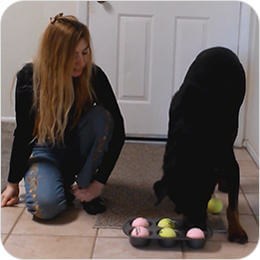
Food puzzles and nose work before a departure take the edge off arousal without exhausting the dog; our indoor games cover the quick ones.
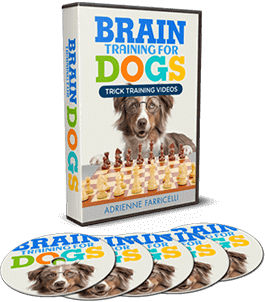
For a ready-made routine of that kind of mental work, Brain Training for Dogs has more than 21 games with step-by-step guides and video demonstrations, created by CPDT-KA certified trainer Adrienne Farricelli. Use it alongside the departure plan: the games give the dog’s brain a job, and the plan builds the time alone.
A crate only helps if the dog already loves it. If you are building that from scratch, do it as a separate project with the seven-day plan, not as part of the departure work.
Medication is not failure
For moderate and severe cases, veterinary behaviourists commonly combine behaviour work with medication, because a brain in panic cannot learn. The medication does not do the training; it makes the training possible.
That is a conversation with a vet, and worth having early rather than after six months of slow progress.
Expect the whole process to take months rather than weeks. Progress is measured on camera: how long the dog stays relaxed, and how fast it settles after you go.
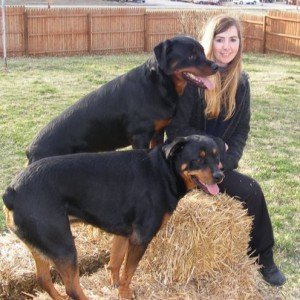
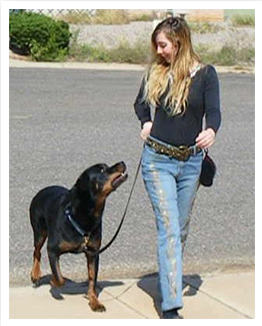
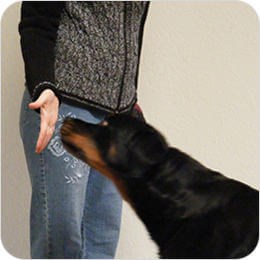
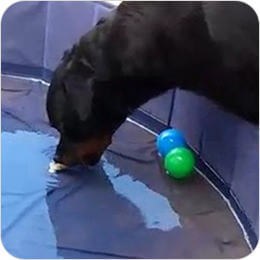
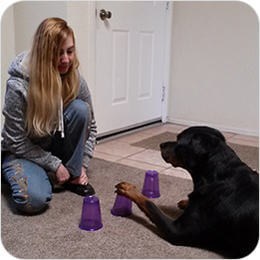
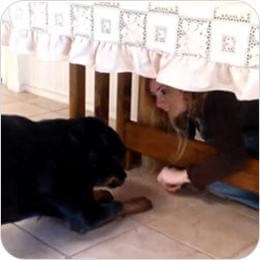
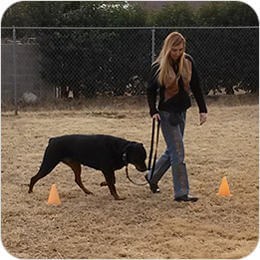
A look inside Brain Training for Dogs



FAQ
How long does treatment take?
Commonly two to six months of near-daily short sessions, longer for severe cases. The variable that matters most is whether the dog is being left to panic in between.
Is my dog doing it out of spite?
No. Panic and spite look nothing alike on camera. The drooling, pacing and fixed attention at the door are fear responses.
Will a camera really tell me that much?
It is the single most useful thing you can do. Without it you are guessing at what happens in the exact window you cannot see.
Can I use a crate?
Only if the dog is genuinely relaxed in one. A dog that panics in a crate can injure itself trying to get out.
Next step
Record the first thirty minutes of your next absence and watch it back. Everything in the plan depends on knowing what actually happens after the door closes. Meanwhile, start the daily brain games that run alongside it.
Based on standard force-free behaviour practice for separation-related distress: camera-based assessment, graduated absences below threshold, and the widely published veterinary position that medication is often combined with behaviour work in moderate to severe cases. Product details for Brain Training for Dogs are from the vendor’s published page as of September 28, 2026.