
Disclosure: this article contains affiliate links. If you buy through them, we may earn a commission at no extra cost to you. How this works.
Short answer
Crate training works when the crate predicts good things and never arrives as a surprise punishment. Build value first, add duration second, and only then close the door for real stretches.
Seven days, ten minutes a day: feed in the crate, build a settle, add the door, add distance, add time. Most dogs sleep through night three.
Force-free training, from the crate onward
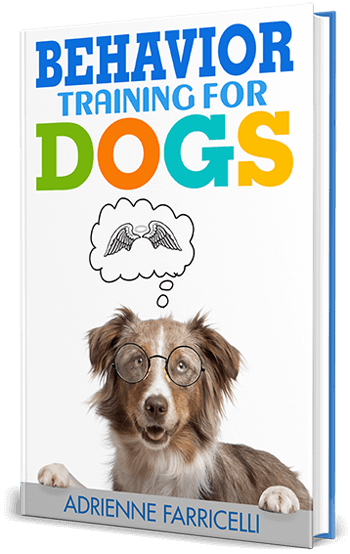
- Created by Adrienne Farricelli, a CPDT-KA certified trainer
- 21+ force-free games in graded modules, with video demonstrations
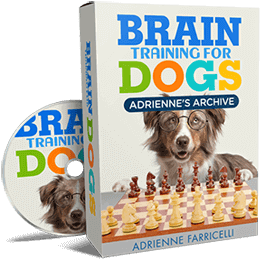
- An archive of solutions for barking, chewing, jumping, digging and more
- Instant access and a 60-day money-back guarantee
Size, spot and bedding
For puppies, a divider lets one crate grow with the dog instead of buying two.
- Big enough to stand, turn around and lie flat — no bigger while house-training, or the dog will use one end as a bathroom.
- In the room where the family is, at least for the first weeks. Isolation is what creates crying.
- A flat bed or vet-bed, and a cover over three sides for dogs who settle better in a den.
- A chew that only exists inside the crate. That single rule does half the work.
Days 1 and 2 — Make it the best room in the house
Door open, all day. Drop treats inside when the dog is not looking, feed every meal in there, and let him walk in and out freely. No closing, no luring with the door.
Mark and pay any voluntary entry. If he lies down inside, pay again, quietly, and let him leave whenever he wants.
By the end of day two most dogs are wandering in to check whether the fridge fairy has been.
Days 3 and 4 — Close the door for seconds
Feed a chew inside, close the door for five seconds, open before he finishes. Repeat, building to thirty seconds, then two minutes, always opening while he is still calm.
The rule that prevents most problems: open the door before he asks. If you only open after whining, you have taught whining.
If he does whine, wait for a two-second pause and open then — not during the noise, not ten minutes later.
| Day | Goal | Session |
|---|---|---|
| 1–2 | Crate predicts food | Meals inside, door open, treats dropped in |
| 3–4 | Door closed briefly | 5 s to 2 min, you stay in the room |
| 5 | You leave the room | Step out for 10 s to 2 min, return calmly |
| 6 | Real nap | Chew, cover, 20–40 min while you work nearby |
| 7 | Night | Crate by the bed, last toilet trip, lights out |
Days 5 to 7 — Distance, then the night
Step out of the room, come back before the dog gets worried, and vary the times: ten seconds, forty, five, ninety. Predictable escalation is what teaches anxiety.
For night one, put the crate next to your bed. A puppy who can hear you settles faster, and you can hear the 3 am toilet request. Move the crate further away over the following weeks if you want it elsewhere.
Last toilet trip right before bed, no water fest at 10 pm, and a chew inside. Ten minutes of nose work before bed helps more than a late walk.
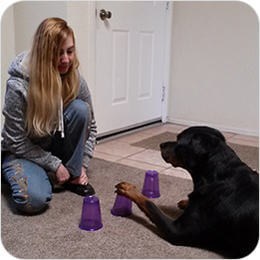
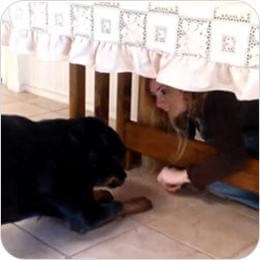
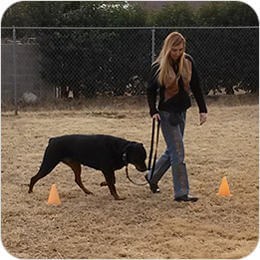
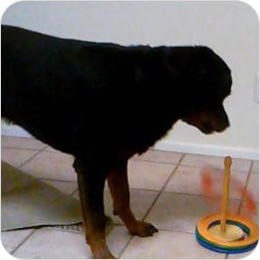
If you want the whole puppy routine in one place, Brain Training for Dogs has an entire section on puppy training, covering crate training, potty training, socialization and bite inhibition, alongside more than 21 brain games with video demonstrations.
Rules that keep the crate working
If crate time is the only quiet time in the day, build the rest of the structure too — the order is in the 30-day plan.
- Never use it as punishment. The crate cannot be both the safe place and the consequence.
- No crating a puppy longer than he can hold: roughly his age in months plus one, in hours, up to about five.
- Ignore the whine that starts the moment you sit down, answer the one that means bladder. The difference is usually urgency and pattern.
- Take the collar off inside the crate, so nothing can catch on the bars.
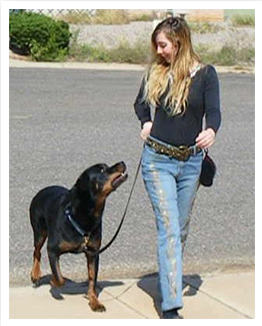
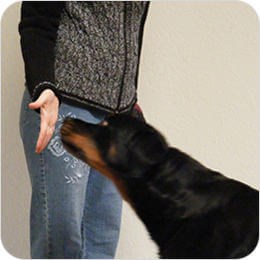
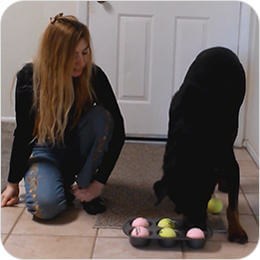
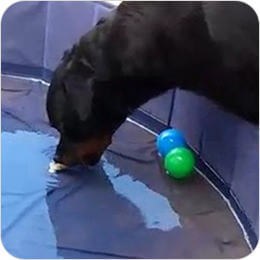
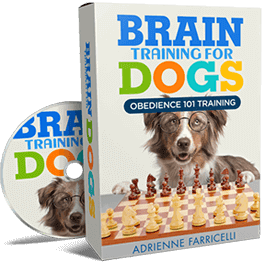
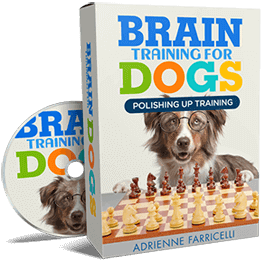
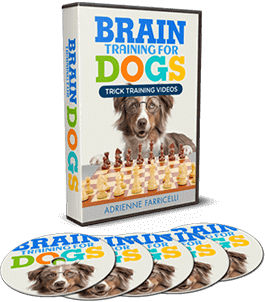
A look inside Brain Training for Dogs






FAQ
Is crate training cruel?
Not when it is built as a resting place and kept within the dog’s physical limits. It is the same reason dogs pick a spot under a table when a room is busy.
My dog panics when the door closes.
Go back to door-open value building for several days, then close for one second at a time. Panic that does not fade with graded work is worth a certified behaviorist’s eyes.
How long can an adult dog stay crated?
Up to four hours at a stretch during the day is a common working limit, with exercise and toilet breaks around it.
Crate or playpen?
A pen gives more room for young puppies and long days; the crate is better for calm sleep and travel. Many households use both.
Next step
Tonight, feed dinner inside the crate with the door open and leave a chew in there afterwards. That is the whole task for day one.
Based on standard force-free, positive-reinforcement training practice as taught by certified trainers. Product details for Brain Training for Dogs are from the vendor’s published page as of September 28, 2026.