Disclosure: this article contains affiliate links. If you buy through them, we may earn a commission at no extra cost to you. How this works.
Short answer
To teach a dog to wait at the door, open the door a little at a time and close it gently whenever the dog moves toward the gap. When the dog holds still, the door keeps opening, and a release word tells it when it may go through.
Door manners are about safety as much as politeness: a dog that waits for permission does not bolt into the street.
Impulse control, taught through games
- Created by Adrienne Farricelli, a CPDT-KA certified trainer
- 21+ force-free games in graded modules, with video demonstrations
- An archive of solutions for barking, chewing, jumping, digging and more
- Instant access and a 60-day money-back guarantee
Wait is not the same as stay
Stay means hold the position until you come back and release the dog. Wait is lighter: pause here, do not go through, and move on when I say so. It is the cue you use at doors, gates, the car and the crate, many times a day.
If your dog already knows stay, the idea is familiar — see how to teach a dog to stay — but wait is taught right at the door, where the temptation is.
Five steps to a dog that waits
- Set up: leash on, dog beside you at a closed door, your hand on the handle.
- Open a crack: start to open the door. If the dog moves toward it, close it gently — no scolding; the closing door is the only answer.
- Mark the pause: the moment the dog holds still with the door slightly open, say yes and reward it where it stands.
- Open wider: over several sessions, open the door further and hold it open longer before rewarding.
- Release: add your release word, such as okay, and let the dog go through — or walk through first and then release it.
A week of door practice
| Days | Goal |
|---|---|
| 1 and 2 | The dog holds still as the door opens a few inches |
| 3 and 4 | The door opens fully and stays open for a few seconds |
| 5 | You step through and back while the dog waits |
| 6 and 7 | Other doors: the back door, the car, the gate, the crate |
Make it work everywhere
Dogs learn in pictures. A dog that waits at the front door may still leap out of the car, so repeat the same steps at every exit: car doors, garden gates and the crate door. Add mild distractions — a knock, someone walking past outside — only once the basic wait is solid.
Visitors are the hardest test. Keep the leash on or use a baby gate at first, and pair door practice with the greeting routine in how to stop a dog jumping on guests.
Common mistakes
- Letting the dog go through sometimes without a release word.
- Closing the door hard or fast; it should be a calm, boring barrier.
- Practicing only when you are in a hurry to leave.
- Forgetting to release the dog, so the wait turns into a guessing game.
Part of a bigger skill
Waiting at the door is impulse control: the dog learns that calm gets it what it wants. The same skill runs through the other basics, from sit to leave it — see basic dog commands.
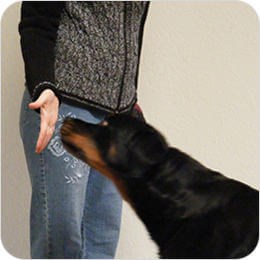
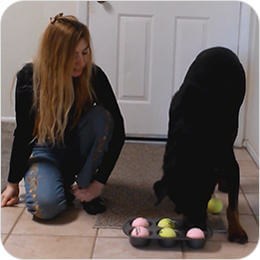
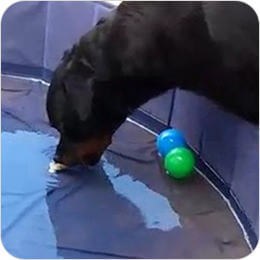
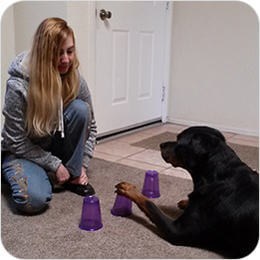
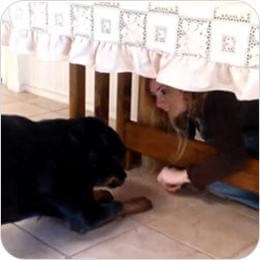
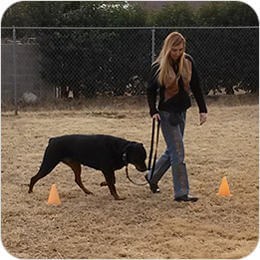
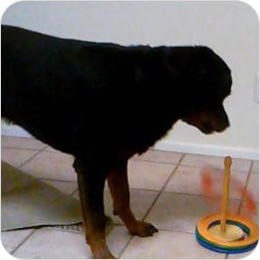
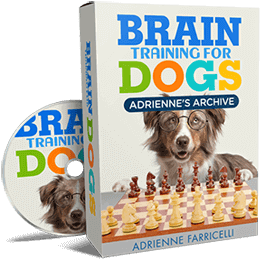
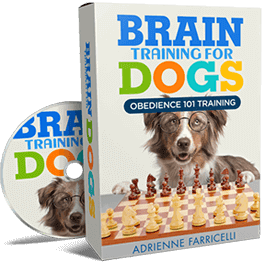
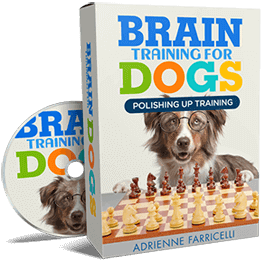
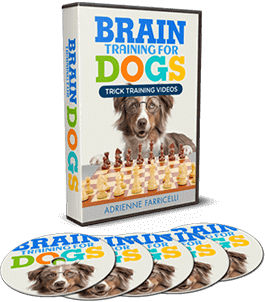
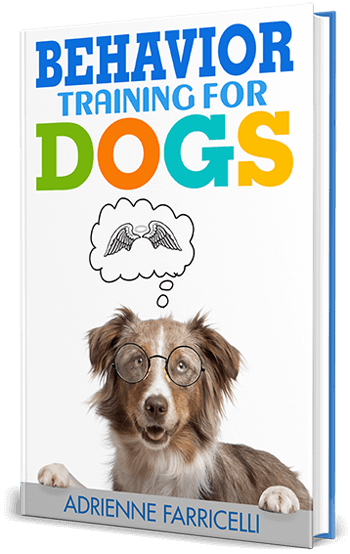
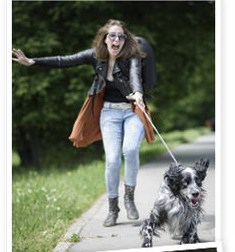
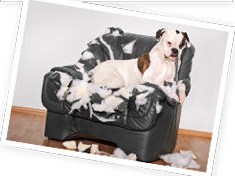
Brain Training for Dogs builds this with a game designed to develop patience and calmness despite an open door, part of a module on impulse control, alongside more than 21 brain games and an Obedience 101 section, created by CPDT-KA certified trainer Adrienne Farricelli.
A look inside Brain Training for Dogs
FAQ
How do I stop my dog from running out the door?
Teach a wait: open the door slowly, close it gently when the dog moves toward it, and reward stillness. Keep a leash or gate in place while training.
What is the difference between wait and stay?
Stay means hold the position until you return; wait means pause, then move on when released.
How long does it take to teach a dog to wait at the door?
Many dogs get the idea in a few sessions; making it reliable at every door takes a few weeks of practice.
Should I go through the door first?
It matters less than people think. What matters is that the dog goes through only after its release word.
Next step
Before today’s walk, practice five door openings with the leash on, rewarding every pause.
Based on standard force-free training for door manners and impulse control. Product details for Brain Training for Dogs are from the vendor’s published page as of September 29, 2026.