Disclosure: this article contains affiliate links. If you buy through them, we may earn a commission at no extra cost to you. How this works.
Short answer
To teach a dog to stay, you build three things separately: how long the dog holds the position, how far away you can go, and how much can happen around it. Trainers call them the three Ds — duration, distance and distraction.
Raise only one at a time, reward the dog while it is still in position, and end every stay with a release word. Most dogs hold a short stay within a week of daily practice.
Impulse control, taught through games
- Created by Adrienne Farricelli, a CPDT-KA certified trainer
- 21+ force-free games in graded modules, with video demonstrations
- An archive of solutions for barking, chewing, jumping, digging and more
- Instant access and a 60-day money-back guarantee
The release word comes first
A stay only makes sense if the dog knows when it ends. Pick a release word — “okay”, “free”, “break” — and use it to end every repetition, even the one-second ones.
Without a release, the dog decides when the stay is over, and it will usually decide a little earlier each time.
Duration: seconds before steps
- Ask for a sit or down, wait one second, reward the dog in position, then release.
- Build to two, three, five seconds, mixing easy and hard repetitions so the dog cannot predict the end.
- Always deliver the treat to the dog where it is. Rewarding after the release pays for getting up.
Distance: one step, then back
With duration at about ten seconds, drop the duration back to two or three and take one step away. Step back in, reward, release. Then two steps, then turn your back, then walk around the dog.
Always return to the dog to reward. Calling a dog out of a stay in the early weeks muddles the two cues, so keep recall practice separate — it has its own plan in dog recall training.
Distraction: the real test
| Level | Example distraction | What to lower while you add it |
|---|---|---|
| 1 | You sitting down and standing up | Distance back to one step |
| 2 | A toy rolled slowly past | Duration back to a few seconds |
| 3 | Someone knocking on the door | Both, for a few sessions |
| 4 | A stay in the yard or on a walk | Start again at level 1 in the new place |
When the dog breaks
A broken stay is information, not defiance: the step was too big. Calmly reset the dog, make the next repetition easier, and succeed there before trying again.
No scolding. A dog that is nervous about staying breaks more often, not less.
Where stay pays off every day
Practice each of these as a training rep first, at an easy level, before you need it for real.
- The front door. A short stay while the door opens stops door-dashing before it starts.
- Getting out of the car. The dog stays until the leash is on and you have said the release word.
- Mealtimes. A stay while the bowl goes down turns a frenzy into a calm routine.
- Grooming and vet visits. A dog that can hold still for a few seconds at a time is far easier to examine.
Stay and settle work together
A formal stay is for moments — the door opening, the leash going on. For longer stretches, a relaxed settle on a mat is kinder and more useful, and it is built in teaching a dog to settle on a mat.
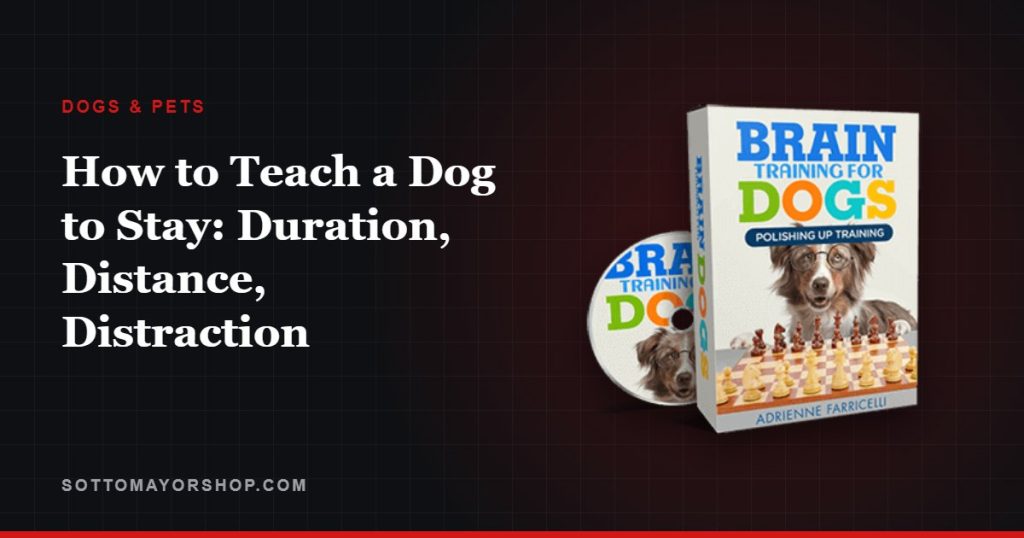
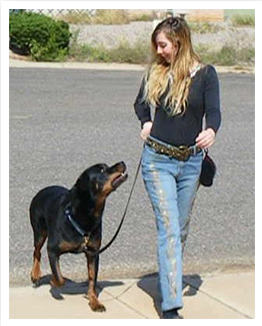
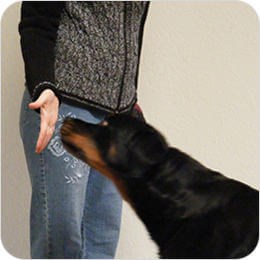
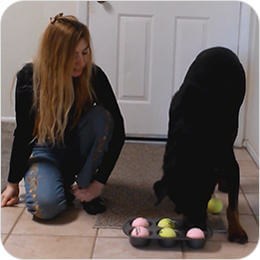
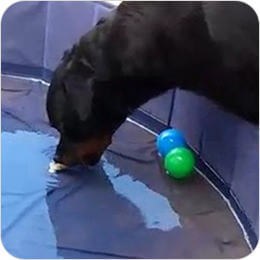
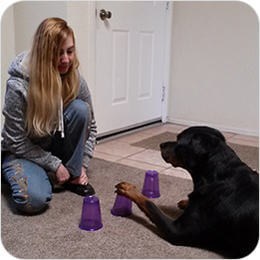
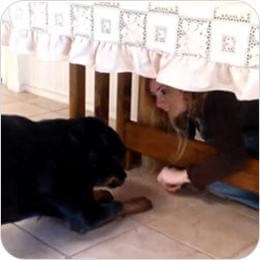
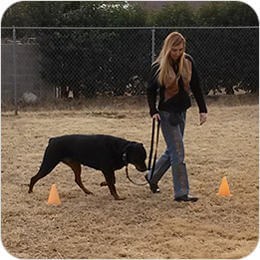
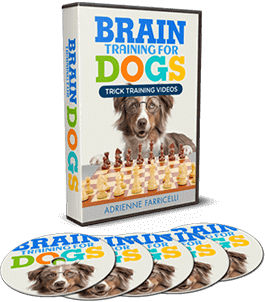
Brain Training for Dogs includes stay in its Obedience 101 section, alongside sit, down, heel and drop, plus more than 21 games with step-by-step guides and video demonstrations from CPDT-KA certified trainer Adrienne Farricelli.
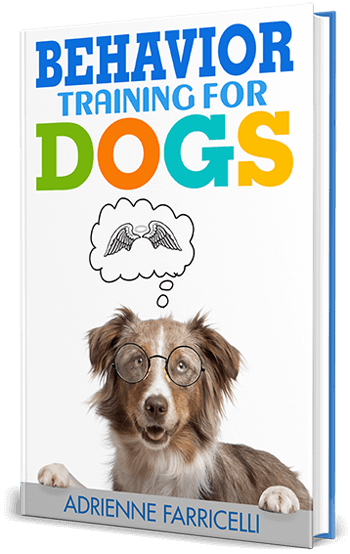
A look inside Brain Training for Dogs






FAQ
How long does it take to teach a dog to stay?
A few days for short stays at home. A reliable stay with distance and distractions takes weeks of short daily sessions.
What is the difference between stay and wait?
Many trainers use stay for holding a position until released, and wait for a brief pause, such as at a door. Pick definitions and keep them consistent.
Should I use a release word?
Yes. It tells the dog exactly when the stay ends, so it does not have to guess — and guessing is how stays fall apart.
Why does my dog break the stay when I walk away?
Distance was added too fast. Go back to one step, return quickly to reward, and build up gradually.
Next step
Choose your release word tonight and do ten one-second stays before dinner, rewarding in position every time.
Based on standard force-free, positive-reinforcement training practice for stay behaviors: duration, distance, distraction and a release cue. Product details for Brain Training for Dogs are from the vendor’s published page as of September 29, 2026.