
Disclosure: this article contains affiliate links. If you buy through them, we may earn a commission at no extra cost to you. How this works.
Short answer
Puppy socialization is not about meeting as many dogs as possible. It is about a puppy having good or neutral experiences with the world, one at a time, before roughly 16 weeks of age.
The window matters because what a puppy meets calmly in that period tends to stay normal for life, and what it never meets — or meets badly — can stay frightening.
A force-free program to start your puppy right
- Created by Adrienne Farricelli, a CPDT-KA certified trainer
- 21+ force-free games in graded modules, with video demonstrations
- An archive of solutions for barking, chewing, jumping, digging and more
- Instant access and a 60-day money-back guarantee
What the window actually is
Between about 3 and 16 weeks, puppies accept new things far more readily than they ever will again. After that the same novelty starts producing caution instead of curiosity.
You mostly get the tail end of it: puppies usually come home at 8 weeks, which leaves around eight weeks of the easiest learning a dog will ever do.
This is why veterinary behaviour groups recommend starting socialization before the vaccine course is finished, with sensible precautions — the behavioural risk of waiting is larger than the disease risk of a careful outing.
The checklist
| Category | Examples | How many |
|---|---|---|
| Surfaces | Grass, gravel, metal grate, tile, wet pavement, stairs | 8–10 different ones |
| Sounds | Traffic, vacuum, doorbell, thunder recording, children | Quiet first, then closer |
| People | Hats, beards, umbrellas, wheelchairs, uniforms, children | Variety over quantity |
| Dogs | Calm adult dogs who like puppies | Quality, not a dog park |
| Handling | Paws, ears, mouth, collar grab, brush, nail file | Daily, seconds at a time |
| Places | Car, vet reception, hardware store, café patio | Short and boring |
| Alone | A few minutes at a time, crate or pen | Every day from day one |
How to do an exposure properly
- Distance first. Watch the thing from far enough away that the puppy is interested rather than worried, and let the puppy choose to approach.
- Pair it with food. New thing appears, good stuff happens. The order matters — thing first, then treat.
- Keep it short. Two minutes at the hardware store beats twenty. Leave while it is still going well.
- One at a time. A puppy meeting a skateboard, three children and a bus in the same minute is not being socialized, it is being overwhelmed.
- Let the puppy leave. The ability to retreat is what makes an experience safe.
Reading the puppy
Curious looks like: loose body, forward but bouncy, willing to take food, returning to look again. That is the state you want, and it is the only state where learning is going well.
Worried looks like: tucked tail, low body, lip licking, yawning, turning away, suddenly uninterested in food. A puppy that will not eat is a puppy over threshold, and the outing has already stopped being useful.
The correct response to worry is more distance, never more exposure. Pushing a frightened puppy closer — flooding — is how lasting fears are built.
Dogs: fewer, better
A well-run puppy class with a trainer who separates by size and interrupts rough play is worth more than a dozen park encounters. What a puppy needs is a few calm adult dogs who tell it off politely and play fairly.
Dog parks are the wrong classroom for this age. One rude adolescent can undo weeks of careful work in ten seconds.
Aim for a handful of reliable dog friends rather than a headcount, and end each session while both dogs are still enjoying it.
The three things people skip
Being alone. Socialization to solitude is socialization. A few minutes a day in a pen or crate, from the first week, prevents a problem that is much harder to fix later. Our seven-day crate plan builds it without the crying.
Handling. Paws, ears, mouth and collar grabs, every day, a few seconds paired with food. This is what makes vet visits and nail trims survivable for the next fifteen years.
Boring places. Sitting on a bench watching the world go by teaches a puppy that most things do not concern it. That is more valuable than another greeting.
Where socialization meets training
The two run together. A puppy that can take food outdoors, follow a hand and settle on a mat has the tools to handle novelty, and novelty is easier when the puppy already has something to do.
Keep sessions to ten minutes and fold them into the day rather than scheduling them like homework — the same approach as our 30-day home training plan.
And keep the routine steady underneath it all. A puppy on a predictable potty and nap schedule copes with new things far better than a tired one.
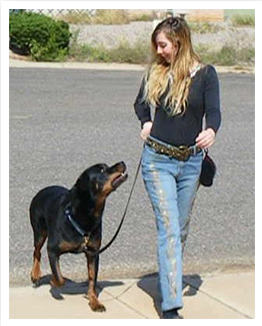
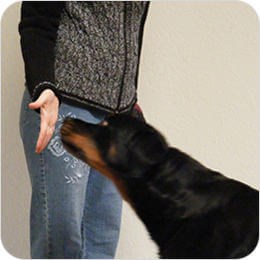
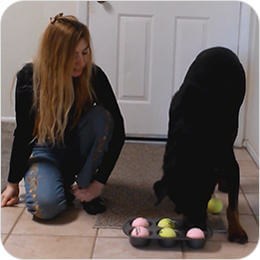
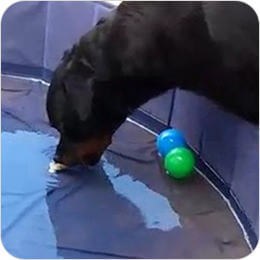
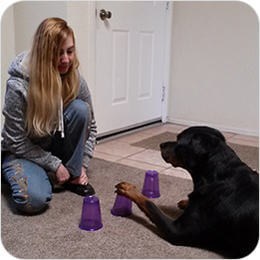
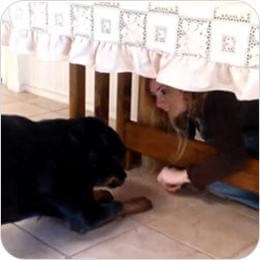
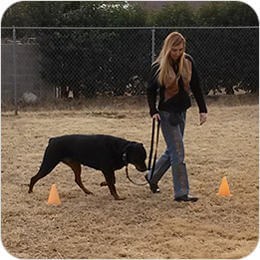
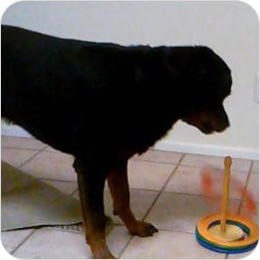
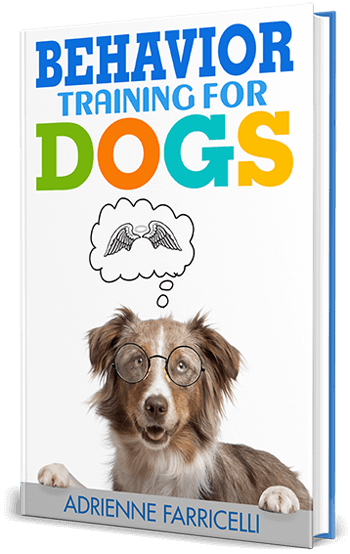
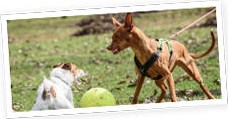
For a structured version of all of this, Brain Training for Dogs has an entire section on puppy training — socialization, potty training, crate training and bite inhibition — written by CPDT-KA certified trainer Adrienne Farricelli.
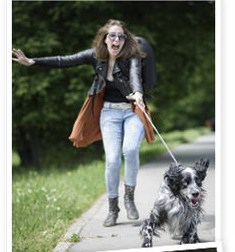
A look inside Brain Training for Dogs





FAQ
Can I socialize before the vaccines are finished?
With precautions, yes — carry the puppy in busy places, choose clean surfaces, and pick dogs you know are vaccinated. Veterinary behaviour guidance treats the behavioural cost of waiting as the bigger risk.
Is it too late at six months?
The easy window has closed, but dogs keep learning. It takes longer, more distance and more patience, and it is worth starting today rather than at a year.
How many new things per day?
One or two done well. A checklist raced through in a weekend produces a worried dog, not a bombproof one.
My puppy is scared of a specific thing. What now?
More distance, food when it appears, never force. If the fear is strong or growing, a certified behaviour professional early is much cheaper than a fix later.
Next step
Print the checklist and pick two items for tomorrow. Do them at a distance where the puppy still eats, and stop while it is still fun.
Based on standard force-free, positive-reinforcement practice and on the widely published veterinary behaviour position that early socialization should begin before the vaccine series is complete, with precautions. Product details for Brain Training for Dogs are from the vendor’s published page as of September 28, 2026.