
Disclosure: this article contains affiliate links. If you buy through them, we may earn a commission at no extra cost to you. How this works.
Short answer
A new puppy’s first week sets the habits for the next fifteen years. The goals are simple: a safe space, a predictable routine, lots of sleep, calm potty trips, and gentle first experiences with the world.
Prepare the house before the puppy arrives, keep the first days quiet, and start the potty schedule and crate routine from the very first hour.
A force-free program to start your puppy right
- Created by Adrienne Farricelli, a CPDT-KA certified trainer
- 21+ force-free games in graded modules, with video demonstrations
- An archive of solutions for barking, chewing, jumping, digging and more
- Instant access and a 60-day money-back guarantee
Before the puppy comes home
- A crate sized for the adult dog, with a divider for now, plus a pen or baby gates.
- The same food the breeder or shelter used, to avoid an upset stomach from a sudden switch.
- Chew toys in several textures — the puppy will chew whatever is available.
- An enzymatic cleaner for accidents.
- A walk through the house at puppy height: cables, shoes, plants and small objects off the floor.
- A vet appointment booked for the first days, to continue vaccinations and check health.
Day one: quiet and structured
Go straight to the potty spot when you arrive and wait. Praise and reward quietly when the puppy goes. Then let it explore one room, not the whole house.
Keep visitors away for the first few days, however tempting it is. A new home is a lot for a small puppy, and calm beats exciting.
The first night
Put the crate next to your bed. A puppy that can hear and smell you settles faster, and you will hear when it needs to go out. Take it out calmly, without play, and straight back.
Expect one or two wake-ups at night at eight to ten weeks. The crate introduction without crying is laid out in the seven-day crate plan.
A daily routine for week one
| Time | What happens |
|---|---|
| Wake up | Straight outside to the potty spot |
| Breakfast | In the crate or with a food puzzle, then outside |
| Morning | Short play and training, then a nap in the crate or pen |
| Midday | Potty, lunch, a gentle new experience, nap |
| Afternoon | Potty, play, handling practice, nap |
| Evening | Dinner, potty, calm time with the family |
| Bedtime | Last potty trip, then the crate by your bed |
Sleep, potty and socialization
Young puppies need 16 to 18 hours of sleep a day. Overtired puppies bite and whine more, so enforce naps in the crate or pen.
Follow a clock, not the puppy’s signals: the week-by-week potty schedule gives the intervals by age. And start gentle socialization right away — a few calm new sights and sounds each day, as in the puppy socialization checklist.
Habits to start on day one
- Say the puppy’s name and reward when it looks at you.
- Handle paws, ears and mouth for a few seconds, paired with treats.
- Reward calm: four paws on the floor, lying on a mat.
- Redirect mouthing to a toy; the teeth are sharp, and the lesson starts now.
Plan the first months
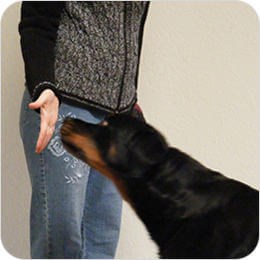
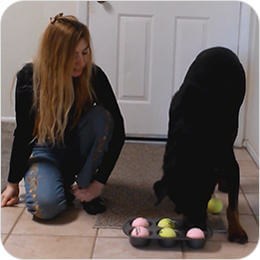
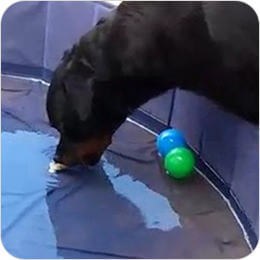
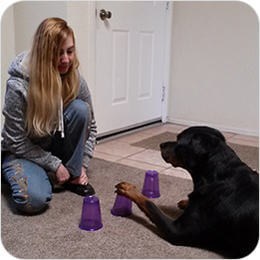
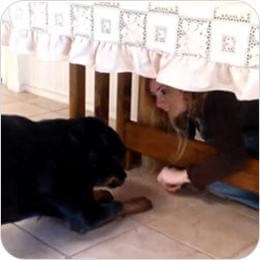
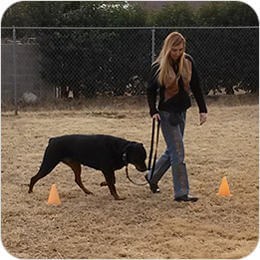
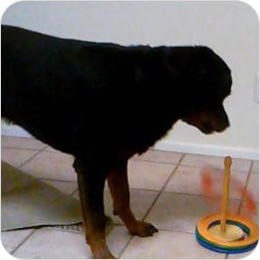
The first week is the start of a longer plan. Brain Training for Dogs has an entire section on puppy training — potty training, crate training, socialization and bite inhibition — plus more than 21 brain games, written by CPDT-KA certified trainer Adrienne Farricelli.
A look inside Brain Training for Dogs













FAQ
What should I do the first night with a new puppy?
Put the crate next to your bed, take the puppy out right before sleeping, and handle night-time potty trips calmly and quietly.
How much should a new puppy sleep?
About 16 to 18 hours a day. Plan naps in the crate or pen after every play session.
When should a new puppy see the vet?
Within the first few days, to continue its vaccination schedule and check its health.
Should I let visitors meet my new puppy right away?
Wait a few days. Let the puppy settle into the home first, then introduce calm visitors one or two at a time.
Next step
Before the puppy arrives, set up the crate by your bed and write the potty schedule on a card by the door.
Based on standard puppy-raising practice from force-free trainers and common veterinary guidance on vaccination visits and sleep. Product details for Brain Training for Dogs are from the vendor’s published page as of September 29, 2026.