Disclosure: this article contains affiliate links. If you buy through them, we may earn a commission at no extra cost to you. How this works.
Short answer
A dog afraid of thunder or fireworks is not being dramatic. Noise fear is common, it tends to grow with every frightening night, and it responds best to preparation done weeks ahead rather than rescue on the night.
The plan: a safe spot the dog chooses, sound practice at a volume that never frightens, calm company when the noise arrives, and a vet visit for dogs whose fear is severe.
Force-free training that goes at your dog’s pace
- Created by Adrienne Farricelli, a CPDT-KA certified trainer
- 21+ force-free games in graded modules, with video demonstrations
- An archive of solutions for barking, chewing, jumping, digging and more
- Instant access and a 60-day money-back guarantee
What noise fear looks like
Some dogs make their fear obvious. Others go quiet, and quiet fear is easy to miss. The early signals are the same ones covered in dog body language: a lip lick, a yawn, a freeze, whites of the eyes.
- Panting and pacing with no heat or exercise to explain it.
- Trembling, hiding under furniture or in a bathroom.
- Clinging to you, or trying to get out of the house.
- Drooling, refusing food, or accidents indoors.
- Staying unsettled for hours after the noise has stopped.
Build a safe spot
Most frightened dogs look for a small, enclosed, quiet place. Give them a good one before they need it: an interior room or closet away from windows, with bedding, water and a chew.
A crate works well for a dog that already loves its crate — cover three sides and leave the door open. If the crate is new, build it first with the seven-day crate plan; a crate forced on a panicking dog makes things worse.
Add a fan, white noise or music to blur the sound from outside, and draw the curtains so flashes do not reach the dog. Then let the dog use the spot on ordinary days, so it means comfort, not storms.
Change what the sound predicts
Trainers use two techniques together. Desensitization plays the sound so quietly the dog barely notices; counter-conditioning pairs it with something the dog loves. Over weeks, the volume creeps up while the dog stays relaxed, and the sound starts to predict dinner instead of danger.
Recordings only cover the sound. Thunderstorms also bring pressure changes and static that some dogs react to, so the safe spot matters even for dogs that do well with the recordings.
| Week | Volume | What happens | Move on when |
|---|---|---|---|
| 1 | Barely audible | The recording plays during meals and play | The dog ignores it completely |
| 2 to 3 | Low | Short sessions paired with food and games | The dog stays loose and keeps eating |
| 4 and on | Moderate | Vary the room and the time of day | No stress signals for several sessions |
On the night
- Walk the dog and take the potty break early, before the storm or the fireworks start.
- Keep the dog indoors with windows and doors closed. Frightened dogs slip leashes and jump fences they would never try on a normal day.
- Check that the ID tag and the microchip details are current before the season, not after.
- Turn on the white noise, offer a long-lasting chew or a food puzzle, and stay nearby.
- Comfort is fine. Calm, quiet reassurance does not reward fear, and many dogs settle faster with a person close by.
- Never punish fearful behavior, and never force a dog outside to face the noise.
Tools that help some dogs
Snug pressure wraps and calming pheromone diffusers help some dogs and make no visible difference to others; the evidence for both is mixed. Ear protection designed for dogs muffles sound for those that tolerate wearing it.
Try any of them on a calm day first. A new object introduced on a frightening night can become part of the fear.
When to call your vet
Talk to your veterinarian if the fear is severe: panic, injuries from escape attempts, destruction, fear that spreads to other sounds, or a dog that stays unsettled long after the noise ends. Vets have treatment options for noise fear, and some of them work best when started before the season.
Behavior work and veterinary care go together here. Neither one is a failure of the other.
Build a calmer dog all year
The dogs that cope best on noisy nights are usually the ones with calm routines on ordinary days. A practiced settle — built step by step in teaching a dog to settle on a mat — gives the dog something familiar to do when the world gets loud.
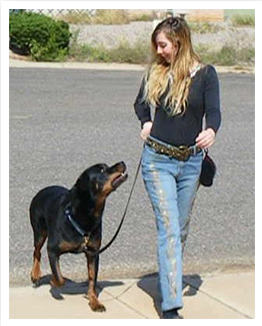
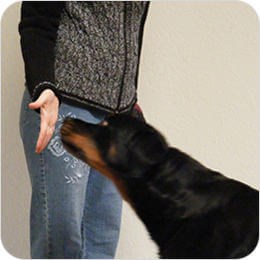
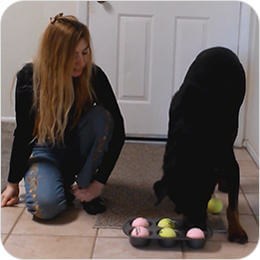
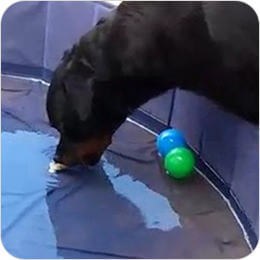
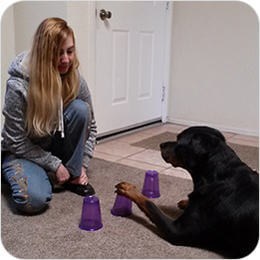
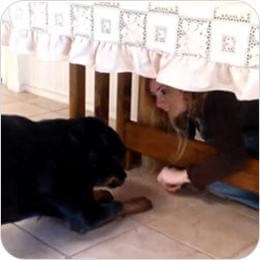
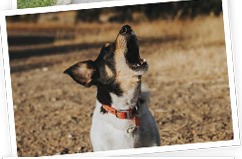
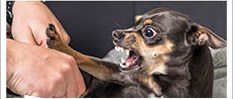
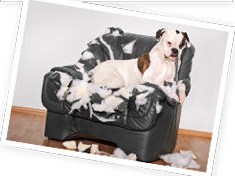
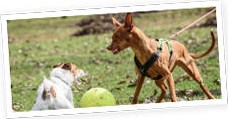
Brain Training for Dogs lists a fear of certain sounds among the problems it covers, with more than 21 games, step-by-step guides and video demonstrations from CPDT-KA certified trainer Adrienne Farricelli. It is a structured way to build focus and calm long before the next storm.
A look inside Brain Training for Dogs



FAQ
Should I comfort my dog during fireworks?
Yes. Calm, quiet reassurance does not reward fear, and many dogs settle faster with a person nearby. Keep your own voice and movements relaxed.
When should I start preparing for fireworks season?
A month or two ahead. Sound practice works in small steps over weeks, and the safe spot needs time to become familiar.
Do pressure wraps work for dogs afraid of thunder?
Some dogs settle better in a snug wrap; others show no change. Introduce it on a calm day and watch how your dog responds.
Is it safe to take my dog to see fireworks?
No. Even dogs that seem relaxed can panic at close range. Keep them at home, indoors, with the safe spot ready.
Next step
This week, set up the safe spot and let your dog discover it on a quiet day. Then start the sound recordings at a volume you can barely hear.
Based on standard force-free behavior practice for noise fears — desensitization and counter-conditioning — and on common veterinary guidance for severe cases. Product details for Brain Training for Dogs are from the vendor’s published page as of September 29, 2026.