Disclosure: this article contains affiliate links. If you buy through them, we may earn a commission at no extra cost to you. How this works.
Short answer
The best wood joints for beginners are the butt joint, pocket-hole, dowel, rabbet, dado, half-lap and mortise and tenon. The first three need little more than a drill; the rest are cut with a saw, a router or a chisel, and together they build almost any piece of furniture.
Choose a joint by the load it has to carry and how much it will show — and practice each one on scrap before the real project.
Put these joints to work on a real project
- 16,000 plans with step-by-step instructions, exact cut lists and materials lists
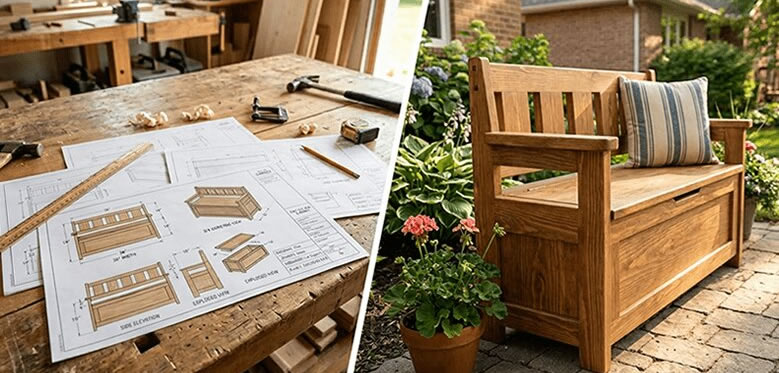
- Multi-angle drawings with exploded views of every joint
- Search by keyword or browse 100+ categories by difficulty
- New plans every month and a 60-day money-back guarantee
Seven joints at a glance
| Joint | How it works | Best for |
|---|---|---|
| Butt joint | One board meets another end-on, glued and screwed | Quick boxes, shop projects |
| Pocket-hole | Angled screws driven from a hidden hole | Face frames, cabinets, quick furniture |
| Dowel | Wooden pins glued into matching holes | Tables, panels, alignment |
| Rabbet | An L-shaped step cut along an edge | Box corners, cabinet backs |
| Dado | A groove across the grain that holds another board | Shelves in bookcases |
| Half-lap | Each piece cut to half thickness where they overlap | Frames, simple tables |
| Mortise and tenon | A tongue that fits into a matching slot | Chairs, tables, doors |
Why end grain matters
Glue holds best where long grain meets long grain, like two boards edge to edge. End grain soaks up glue and makes a weak bond, which is why a plain butt joint needs screws or dowels to be strong. Most joints on this list exist to turn a weak end-grain connection into a strong long-grain one.
The glue-up habits that make any joint stronger are in wood glue and clamping basics.
Start with the drill joints
- Pocket holes need a simple jig and a drill. They are fast and strong enough for most household furniture.
- Dowels need a doweling jig to line up the holes; they hide completely and help align parts during glue-up.
- Butt joints with screws are fine for shop furniture and anything painted.
Then the cut joints
Rabbets and dados are cut with a router or a table saw, and they add a lot of strength with little effort. A dado holds a shelf from below, so it cannot sag off its supports; a rabbet gives a box corner twice the glue surface.
Half-laps are cut with a saw and a chisel, and teach accurate layout. Mortise and tenon is the classic furniture joint; learn it on a small table before you build chairs.
Plan for wood movement
Solid wood grows and shrinks across the grain with the seasons. Joints that fight that movement — a wide panel glued tight across a frame, for example — crack. Why this happens, and how to build around it, is covered in wood movement and cracked joints.
Practice on scrap
- Cut each joint three times on scrap before using it on a project.
- Mark every face and edge so parts go back in the same orientation.
- Test the fit dry: snug by hand, without hammering.
- Keep your practice joints; they make a useful reference.
Joints in real projects
Drawers are a great place to use several of these joints at once — rabbets, dados and a bottom in a groove — as shown in how to build drawers.
Dovetails come later. They are beautiful and strong, and they are much easier once rabbets, dados and mortises feel natural.
See every joint before you cut it
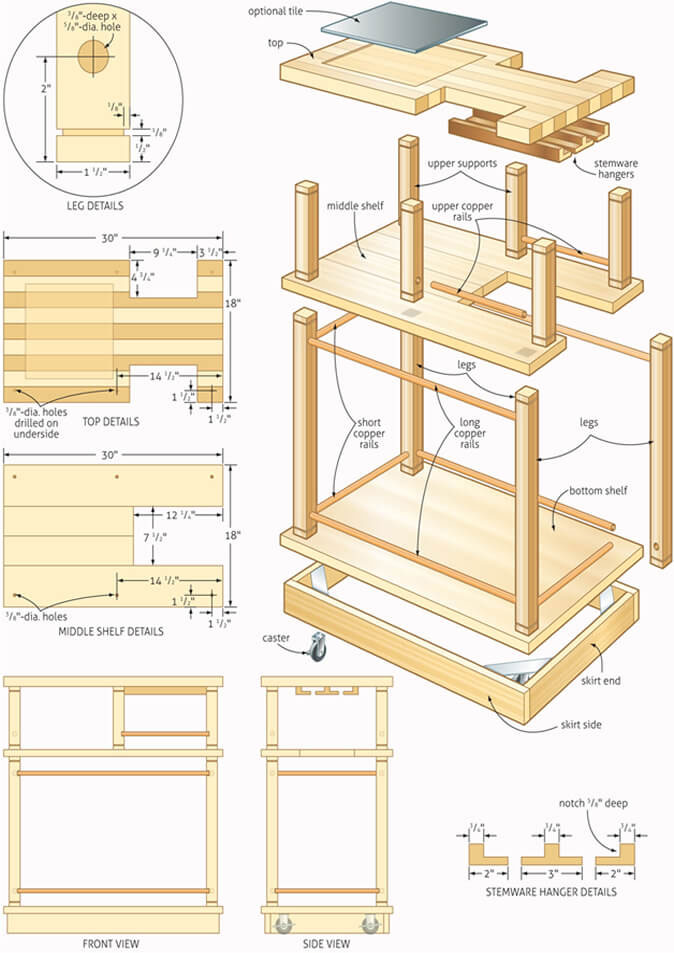
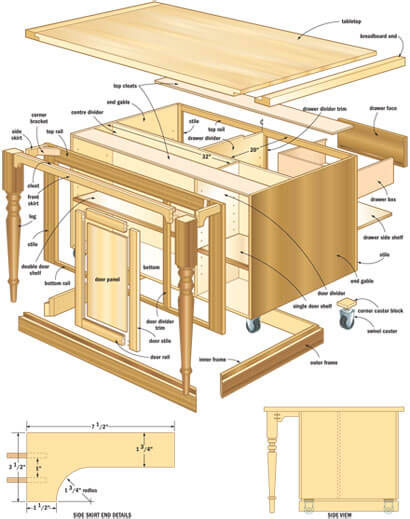
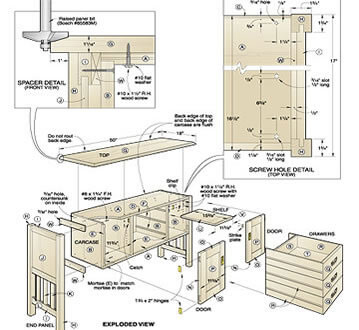
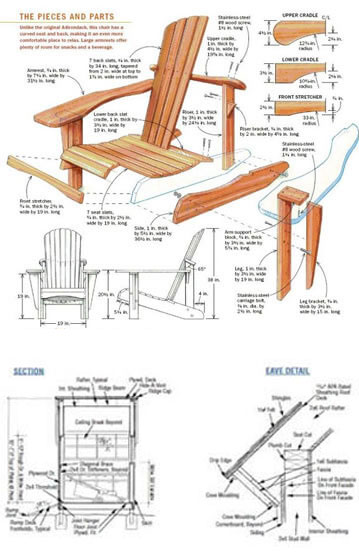
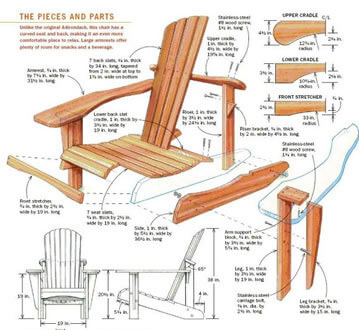
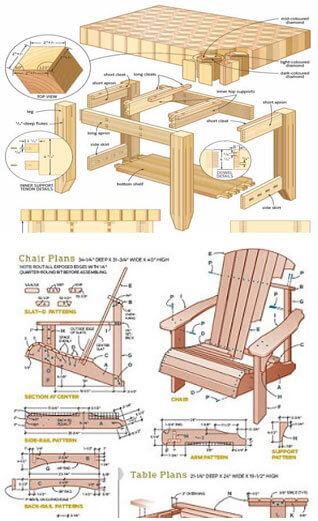
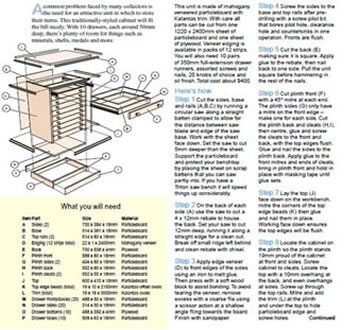
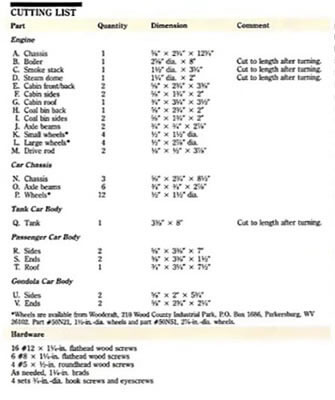
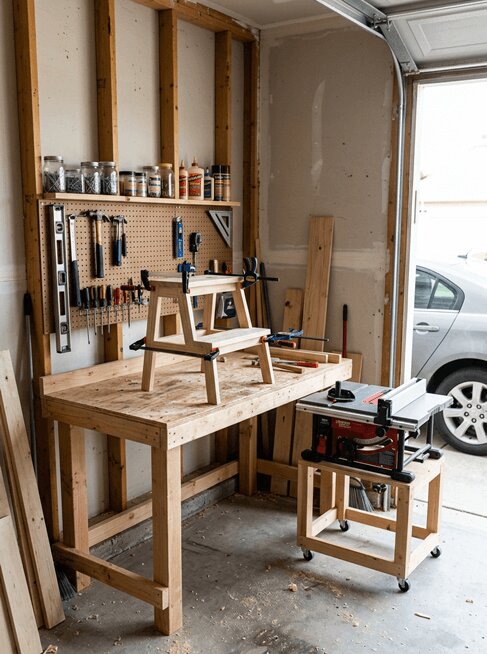
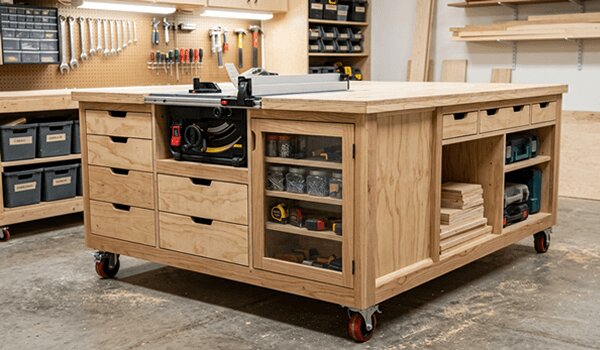
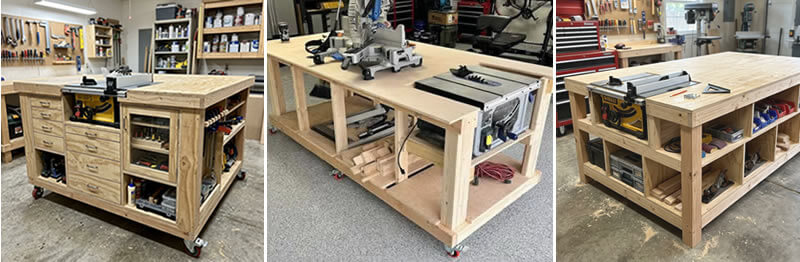
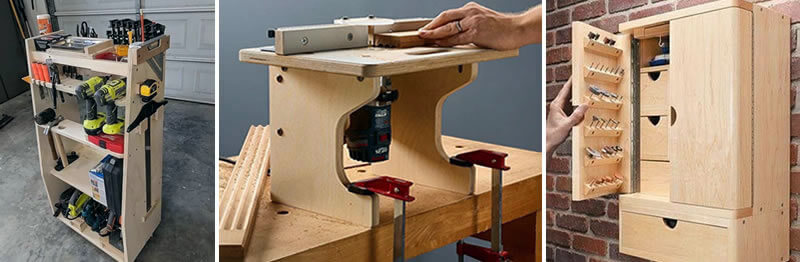
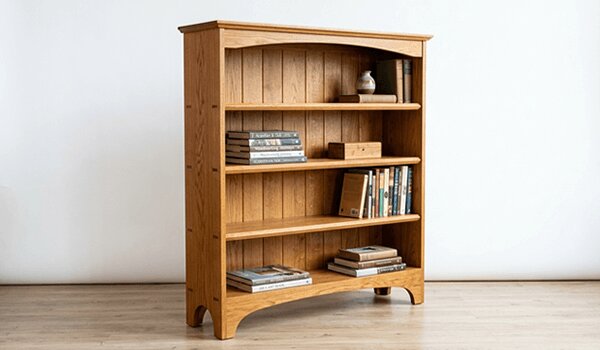
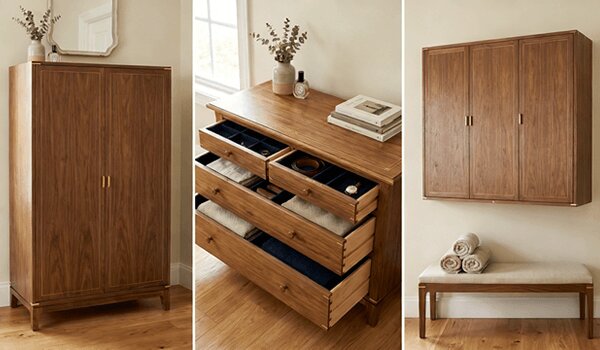
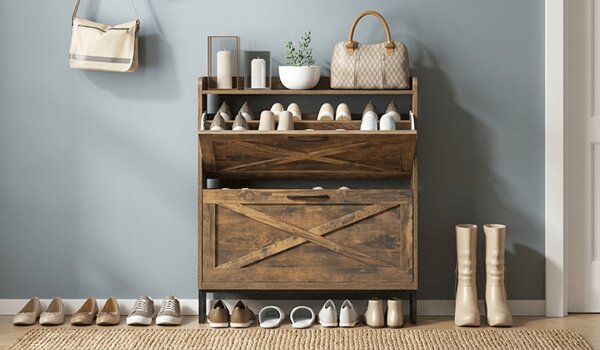
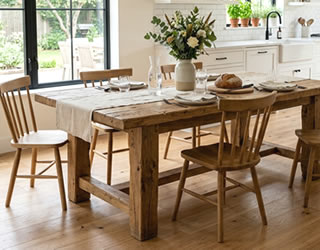
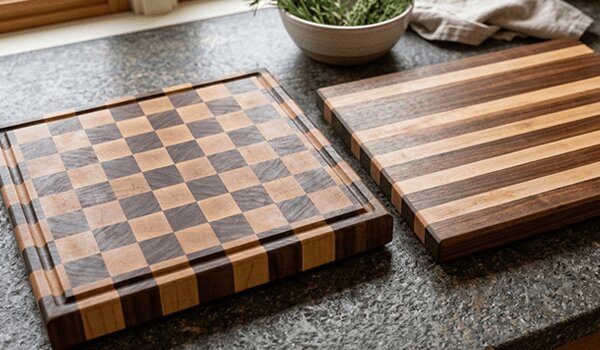
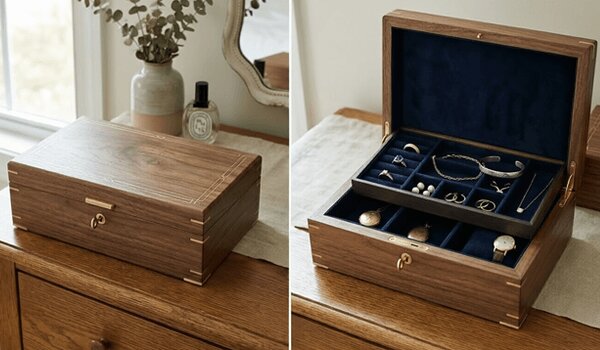
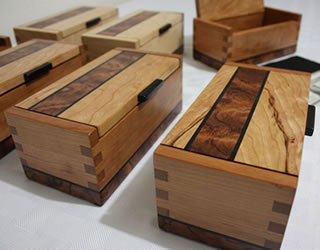
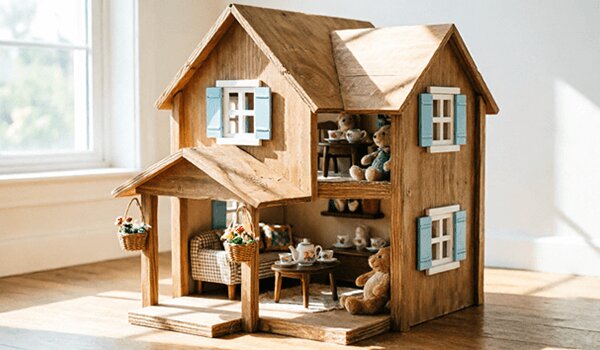
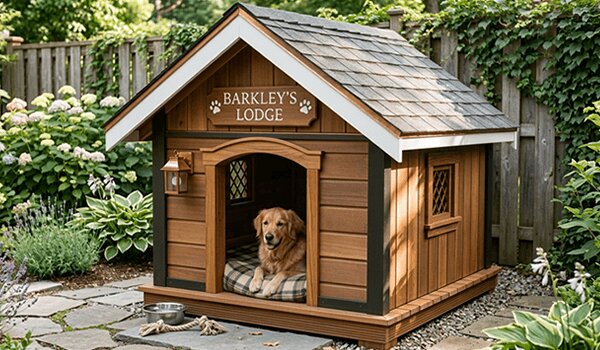
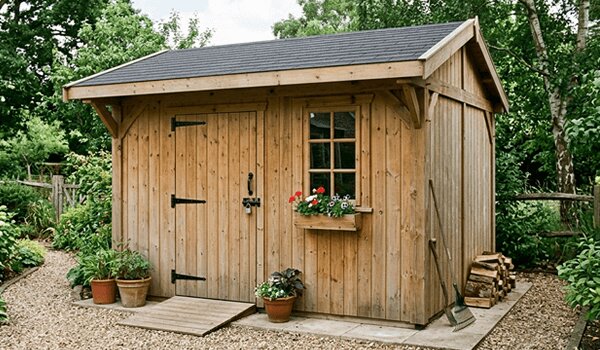
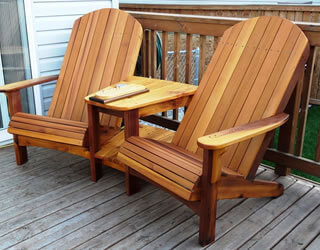
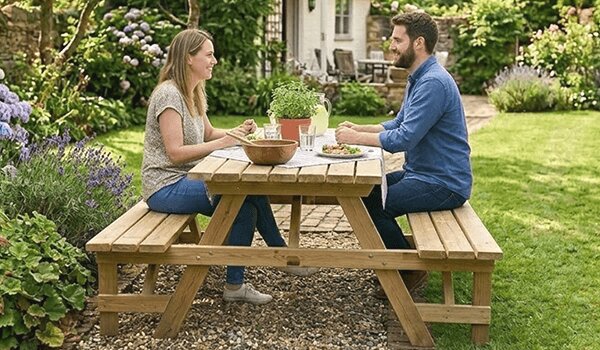
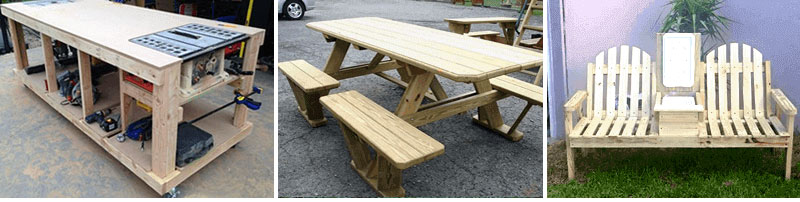
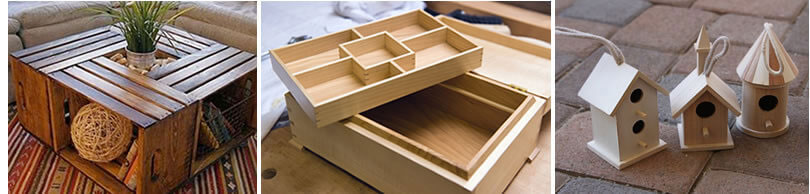
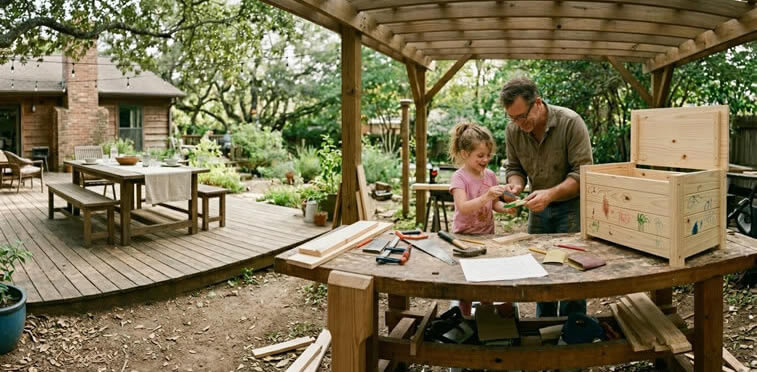
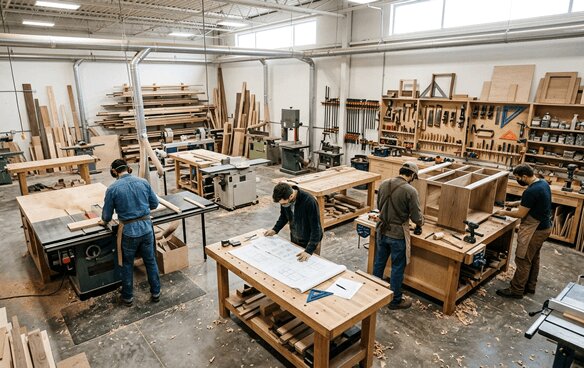
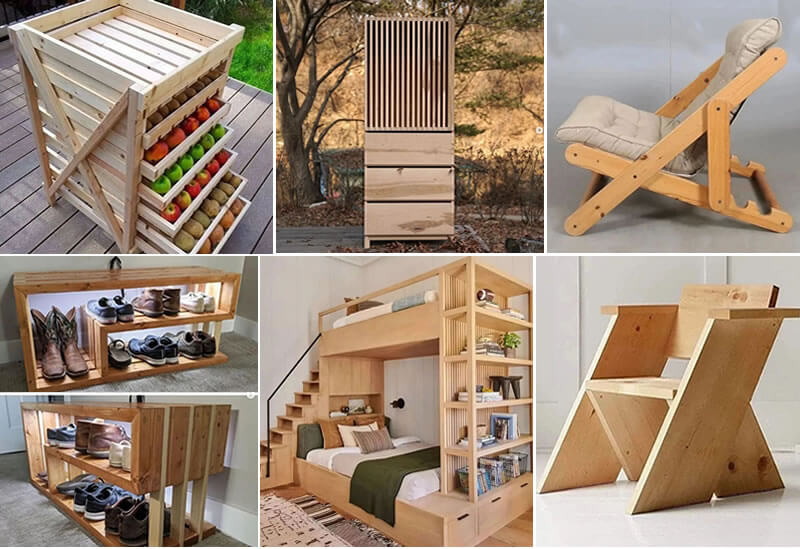
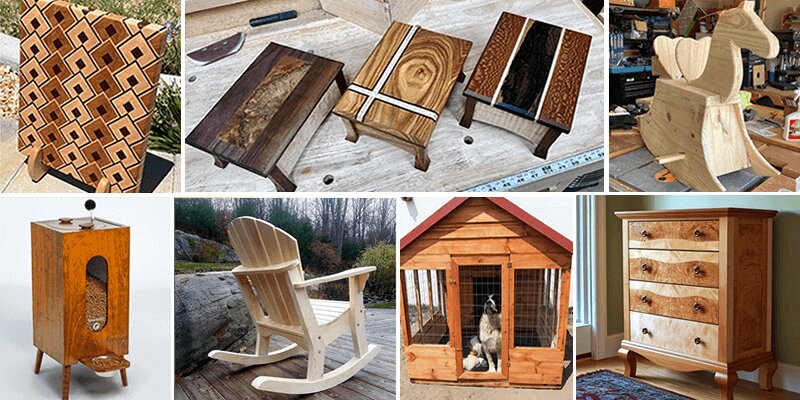
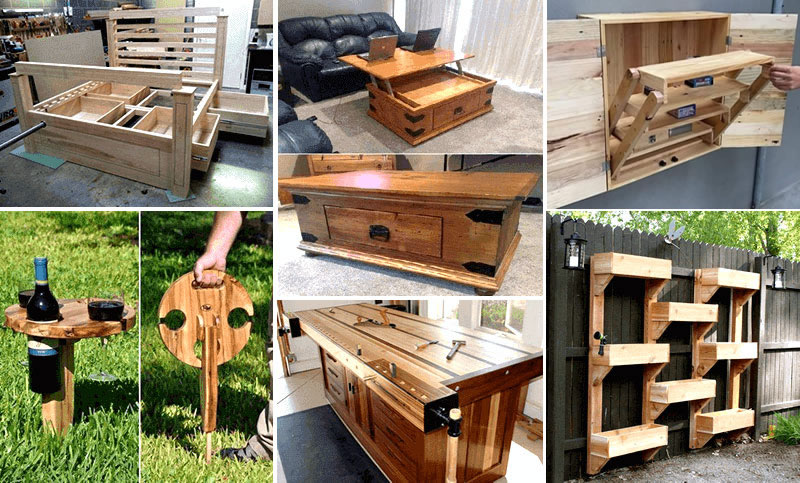
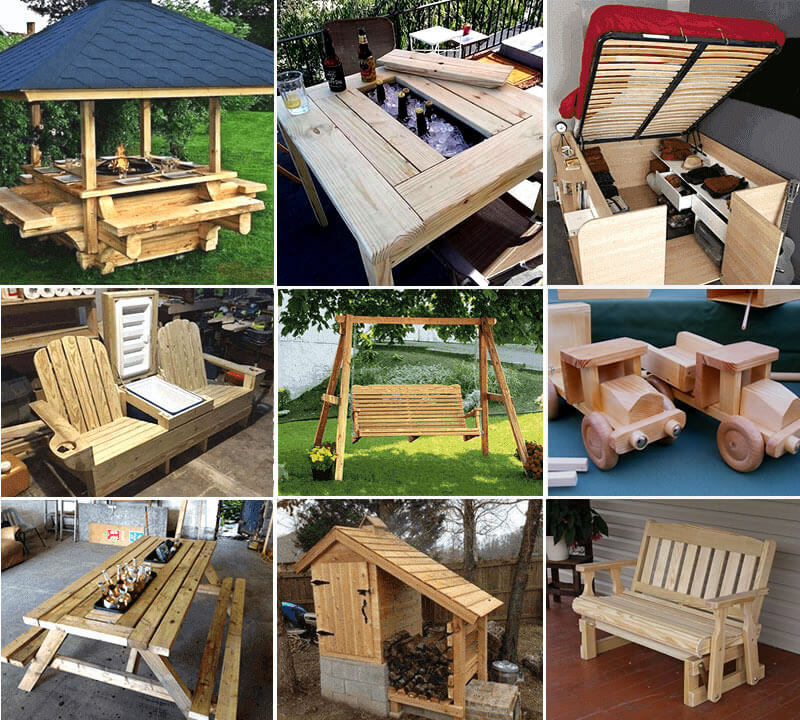
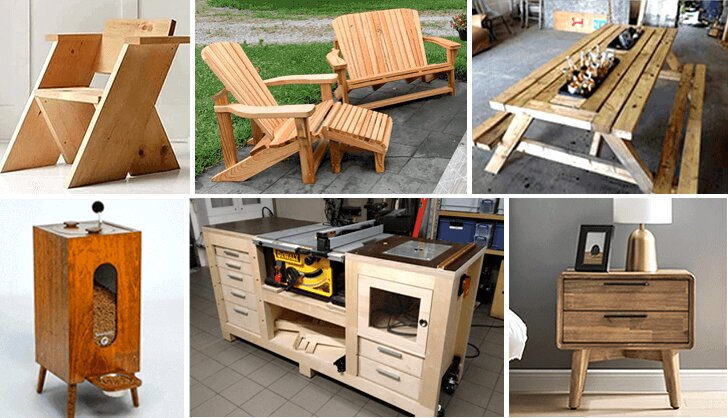
TedsWoodworking plans show joinery clearly: every plan in its 16,000-plan library includes step-by-step instructions, exact cut lists, complete materials lists and multi-angle schematics with exploded views of every joint, across more than 100 categories of projects.
A look inside TedsWoodworking

FAQ
What is the strongest wood joint for beginners?
Mortise and tenon is one of the strongest, but a well-glued dado or half-lap is very strong and easier to cut.
What is the easiest wood joint?
A butt joint with glue and screws, followed by pocket holes, which only need a jig and a drill.
Are pocket holes strong enough for furniture?
For most household furniture, yes, especially combined with glue.
Do I need a router to make wood joints?
No. Many joints can be cut with a saw and chisel, but a router makes rabbets and dados faster.
Next step
This weekend, cut a rabbet, a dado and a half-lap on scrap pine and test how each one fits.
Based on standard woodworking joinery practice: joint types, glue surfaces, end grain and wood movement. Product details for TedsWoodworking are from the vendor’s published offer page as of September 29, 2026.