Disclosure: this article contains affiliate links. If you buy through them, we may earn a commission at no extra cost to you. How this works.
Short answer
To build a toy box that is safe for kids, fit the lid with a support that holds it open in any position, add ventilation holes, never add a latch, and round over every edge. Then build a simple plywood box about bench height, so it can double as a seat.
Those safety details come from long-standing U.S. Consumer Product Safety Commission guidance on toy chests, and they matter more than any other part of the design.
Kids’ furniture plans with every cut listed
- 16,000 plans with step-by-step instructions, exact cut lists and materials lists
- Multi-angle drawings with exploded views of every joint
- Search by keyword or browse 100+ categories by difficulty
- New plans every month and a 60-day money-back guarantee
Safety first
- Lid support: use a support that holds the lid open in any position, so it cannot fall on a child’s head or fingers. A lid that only stays up when fully open is not enough.
- Ventilation: drill ventilation holes, placed so a wall or the floor cannot block them, or leave a gap under the lid.
- No latch: a toy box should never have a lock or latch that could trap a child inside.
- Or skip the lid: an open bin or cubbies avoid the lid question entirely.
- Edges: round over every edge and corner, and sand until nothing snags a hand.
Size it to the room and the child
| Measurement | Typical range | Why |
|---|---|---|
| Width | 30 to 36 in | Holds a good amount without taking over the room |
| Depth | 16 to 18 in | Deep enough for big toys, shallow enough to reach the bottom |
| Height | 18 to 22 in | About bench height, so it can double as a seat |
A simple plywood build
- Cut the sides, front, back and bottom from 3/4-inch or 1/2-inch plywood.
- Join the corners with rabbets, pocket screws or glue and screws, and set the bottom in a groove or on cleats.
- Glue solid-wood edging over exposed plywood edges, or round them over well.
- Add a lid from plywood with a solid-wood frame, hinged with a continuous hinge and fitted with the right lid support.
- Add a base, feet or casters, leaving the ventilation holes clear.
Choosing the lid support
Look for hardware sold as a toy box or lid-stay support that holds the lid at any angle, rated for the weight of your lid. Soft-close supports that also slow the lid when closing are a good choice. Install them exactly as the instructions say, and test the lid at several positions before the box goes into a child’s room.
Finish for small hands
Use a durable, simple finish — a water-based finish or paint — and let it dry and cure fully before the toys go in. Leave the inside lightly finished or unfinished so it does not hold a smell. The finish choices are compared in wood finishes: oil, varnish and film.
Paint the name on the front or let the child choose the colors; it becomes theirs from the first day.
Let the kids help
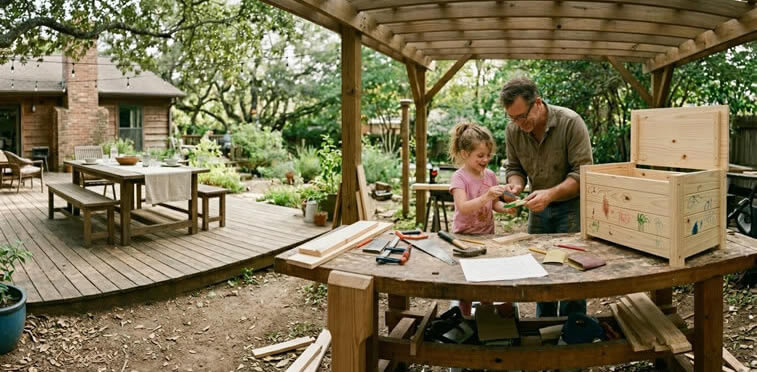
A toy box is a perfect shared project: the adult does the cutting and hardware, the child sands, paints and decides the design. Ideas for keeping it safe and fun are in woodworking projects for kids.
Plans made for kids’ furniture
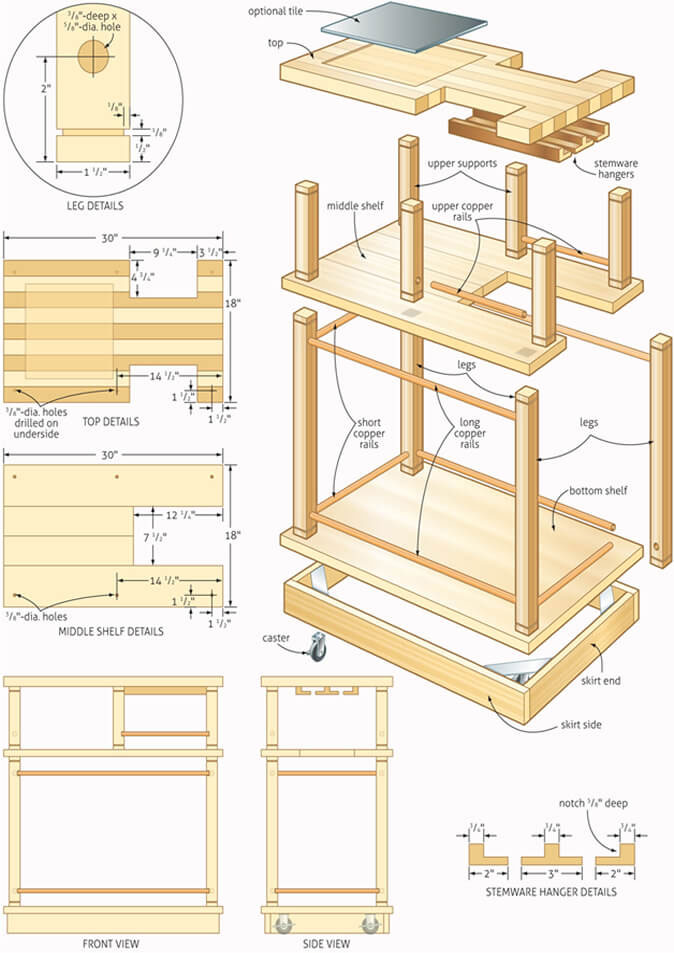
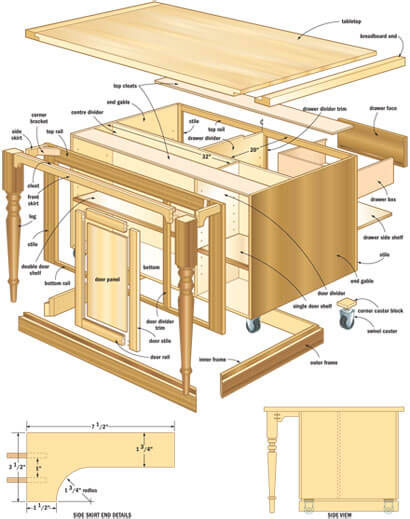
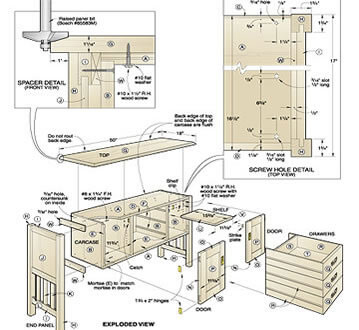
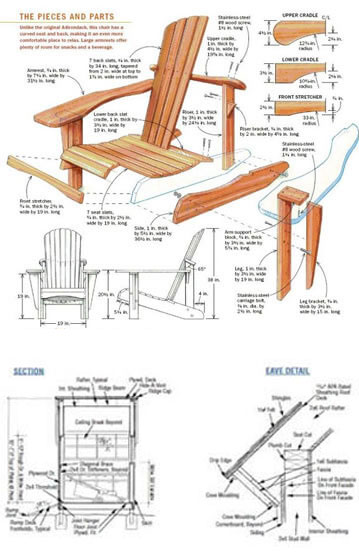
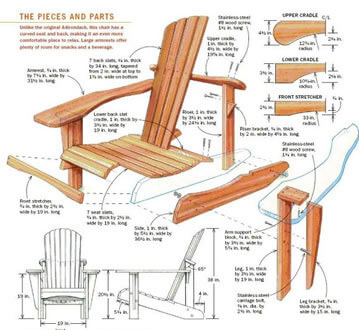
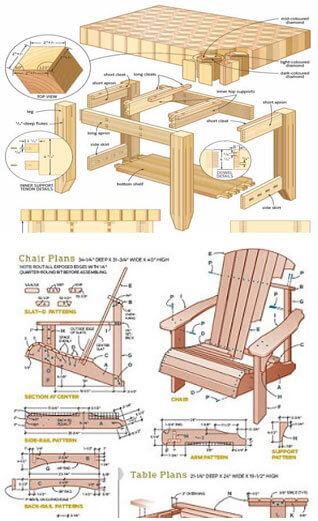
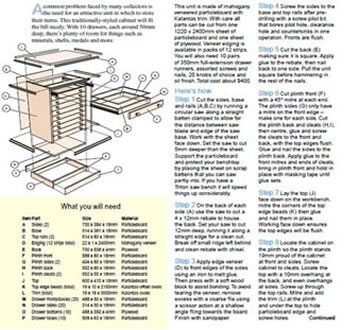
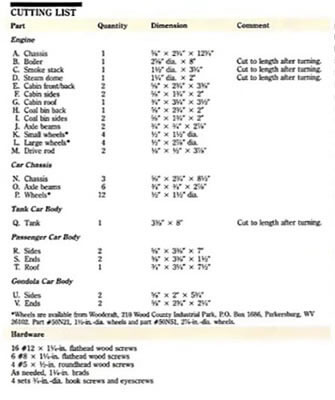
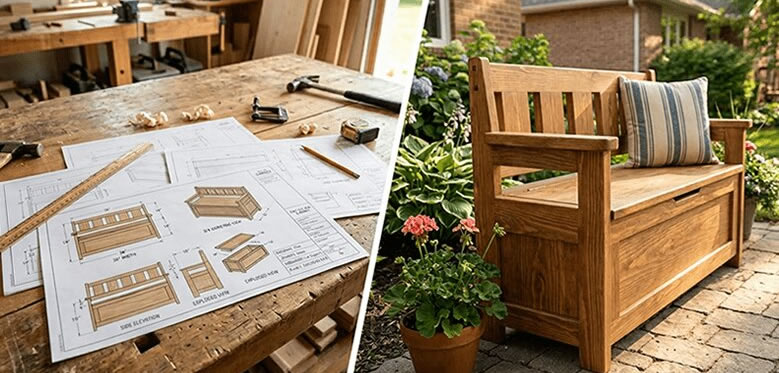
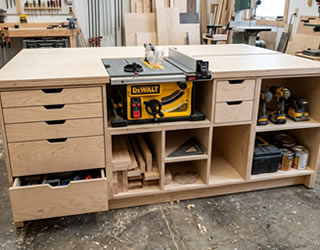
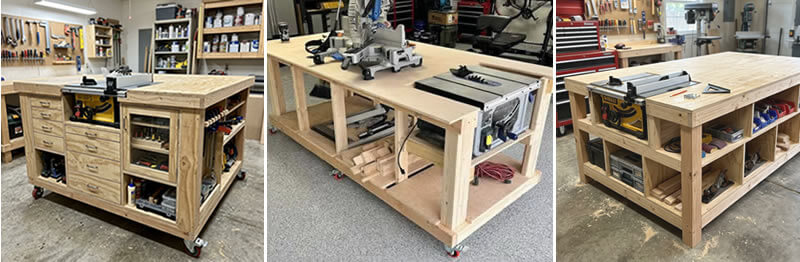
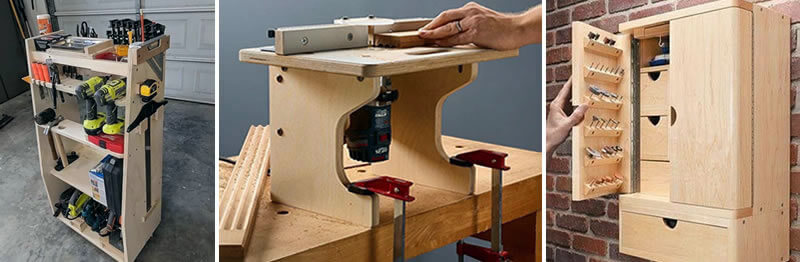
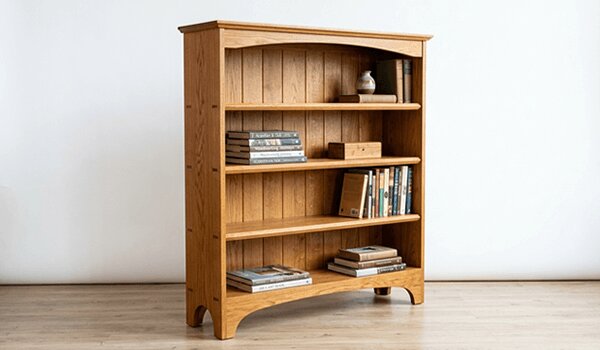
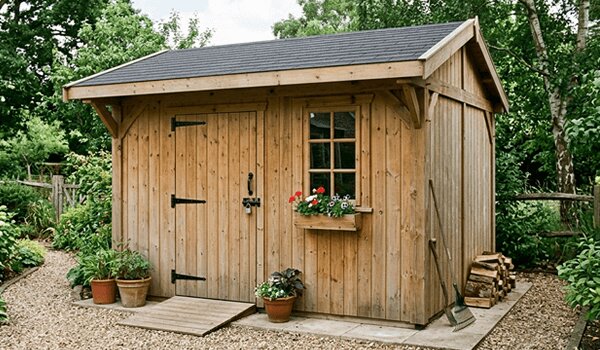
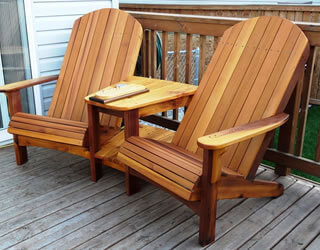
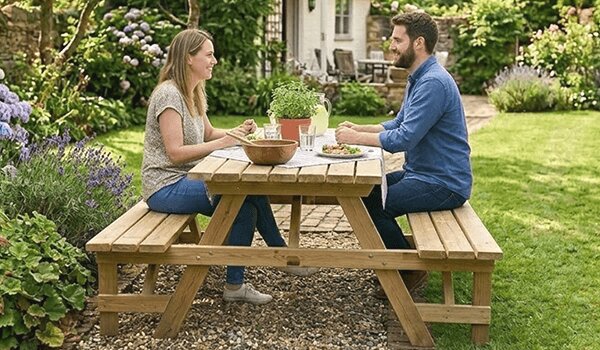
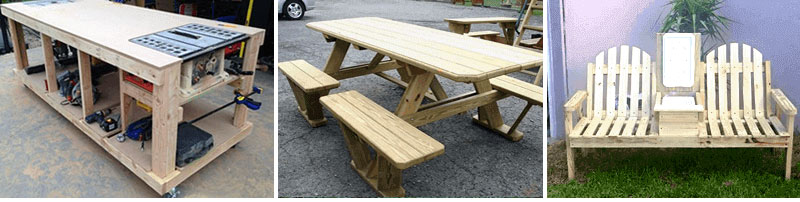
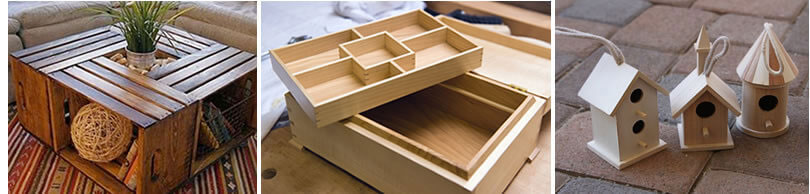
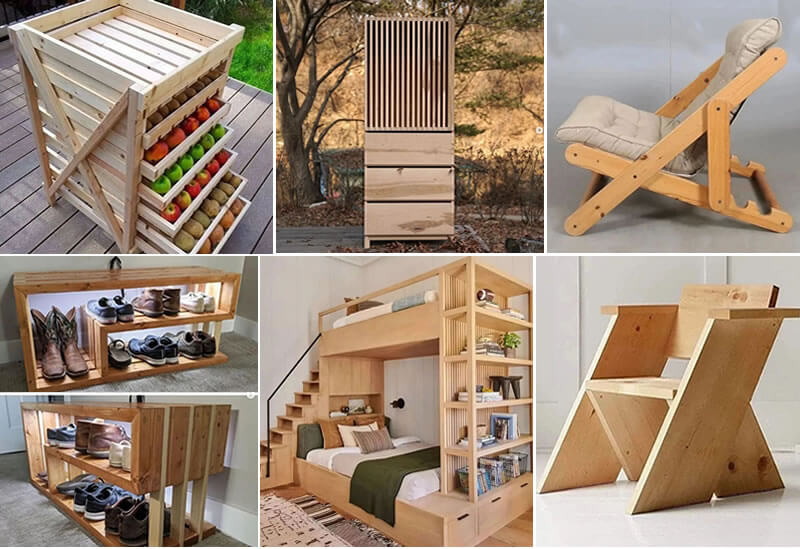
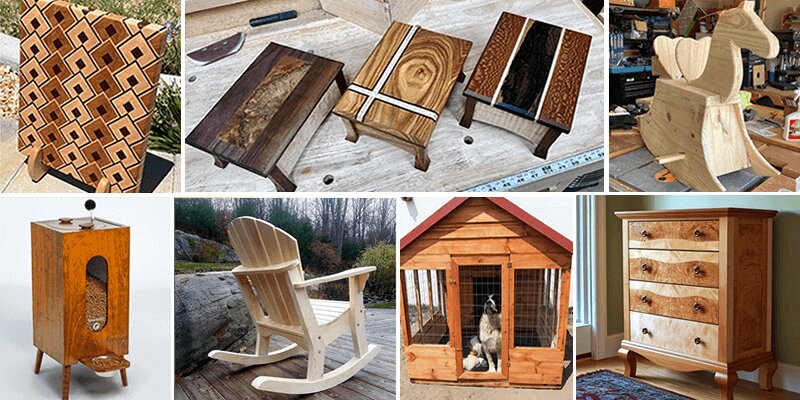
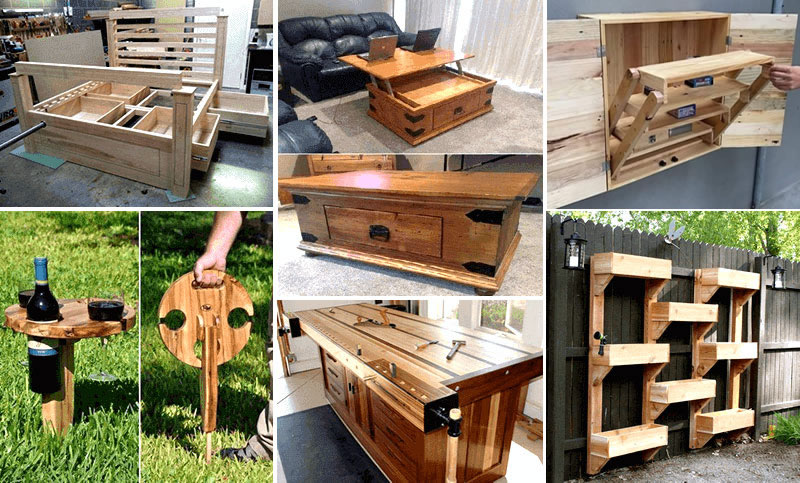
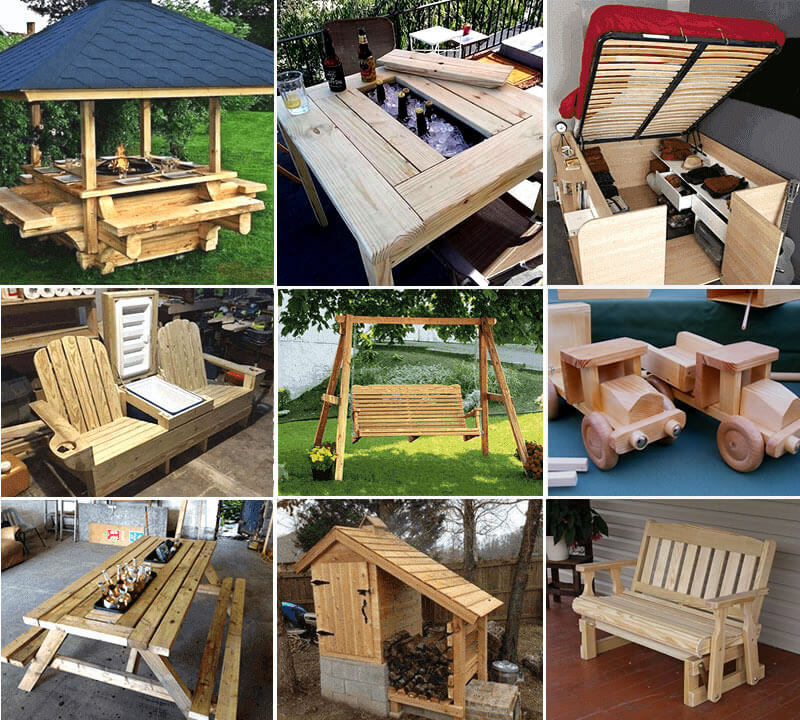
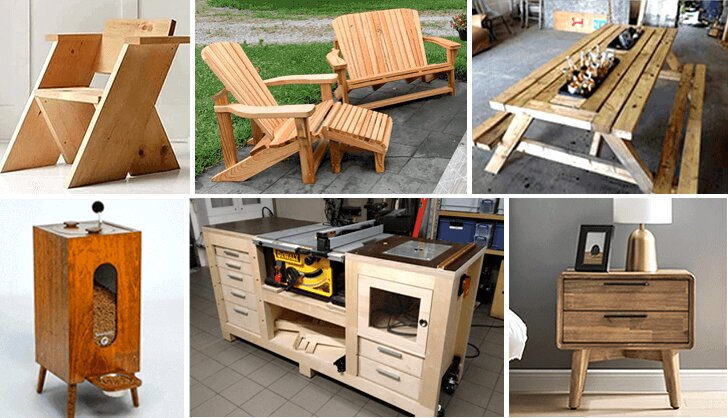
TedsWoodworking lists more than 1,100 plans in its Kids & Recreation category, and chests among its furniture plans. Every plan in the 16,000-plan library includes step-by-step instructions, exact cut lists, complete materials lists and multi-angle schematics with exploded views of every joint.
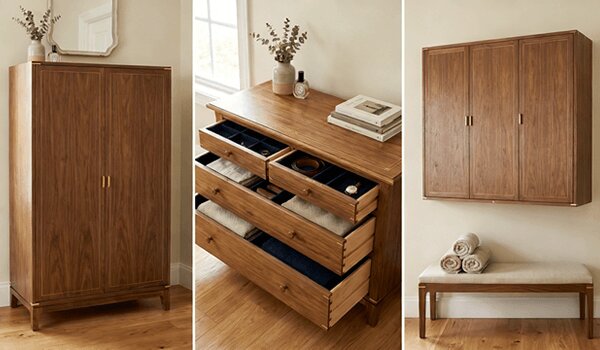
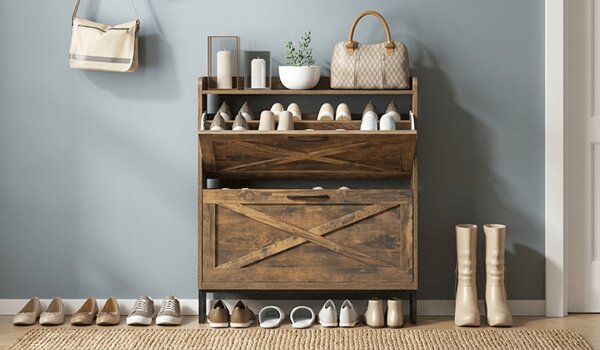
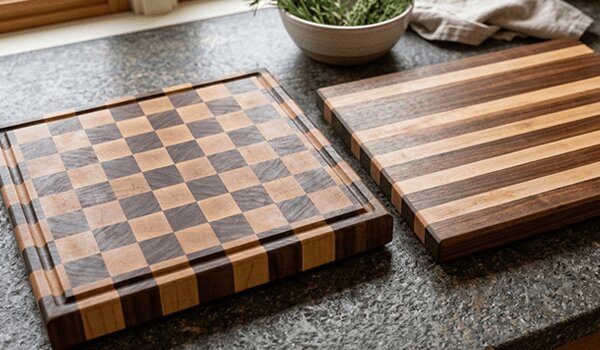
A look inside TedsWoodworking

FAQ
What makes a toy box safe?
A lid support that holds the lid open in any position, ventilation holes, no latch, and rounded edges. Or no lid at all.
What size should a toy box be?
About 30 to 36 inches wide, 16 to 18 inches deep and 18 to 22 inches high suits most rooms.
What wood is best for a toy box?
Plywood is stable and strong for the box; solid wood edging and a solid-wood lid frame make it look finished.
Should a toy box have a lid?
It can, with a lid support that holds it open in any position. Open bins and cubbies avoid lid risks entirely.
Next step
Buy the lid support first, and design the lid around its weight rating.
Based on U.S. Consumer Product Safety Commission guidance for toy chests (lid supports that hold the lid open in any position, ventilation, no latches) and standard plywood casework practice. Product details for TedsWoodworking are from the vendor’s published offer page as of September 29, 2026.