Disclosure: this article contains affiliate links. If you buy through them, we may earn a commission at no extra cost to you. How this works.
Short answer
Good potting bench plans put the work surface at a comfortable standing height — near kitchen-counter height, around 36 inches, adjusted to you — with a slatted or easy-to-clean top, a lower shelf for pots and bags of soil, and a back shelf with hooks for tools.
Build it from rot-resistant wood and exterior screws, and it becomes the most used piece of furniture in the garden.
Garden plans with complete materials lists
- 16,000 plans with step-by-step instructions, exact cut lists and materials lists
- Multi-angle drawings with exploded views of every joint
- Search by keyword or browse 100+ categories by difficulty
- New plans every month and a 60-day money-back guarantee
Get the height right
You stand at a potting bench, so height matters more than anything else. A common starting point is kitchen-counter height, around 36 inches. Taller people may want a few inches more; if you will work with heavy pots, a slightly lower surface is easier on the back.
Test it before you build: work at your kitchen counter for a few minutes and decide whether you would like it higher or lower.
Features worth including
- Slatted top: spilled soil falls through, and rain drains away.
- Soil bin or tub: a removable tub set into the top keeps potting mix contained.
- Lower shelf: room for stacks of pots and bags of soil.
- Back shelf and hooks: small pots, labels, gloves and hand tools within reach.
- Side hooks: a hose, a watering can or a broom.
Choose outdoor materials
| Part | Material |
|---|---|
| Legs and frame | Cedar, cypress or ground-contact treated lumber |
| Top and shelves | Cedar boards or decking, with gaps for drainage |
| Fasteners | Stainless steel or exterior-coated screws |
| Feet | Pavers or plastic glides to keep end grain out of puddles |
A simple build
- Build two leg frames — front and back legs joined by rails at shelf and top height.
- Join the leg frames with long rails front and back.
- Lay the top and lower shelf boards across the rails with small gaps between them.
- Add the back posts and a shelf or two above the work surface.
- Fit the hooks, cut an opening for the soil tub if you want one, and seal all end grain.
Tools you need
- A circular saw or miter saw for the straight cuts.
- A drill-driver with a countersink bit for exterior screws.
- A jigsaw, if you cut an opening for a soil tub.
- A square and a level to keep the frames true.
- A sander, or sandpaper, to soften every edge you will lean on.
Add-ons worth considering
- A sink or wash tub with a drain hose for cleaning pots and vegetables.
- A pull-out shelf under the top for extra work space.
- A pegboard or slatted back for hanging tools.
- Wheels on one end, so the bench can be moved like a wheelbarrow.
Where to put it
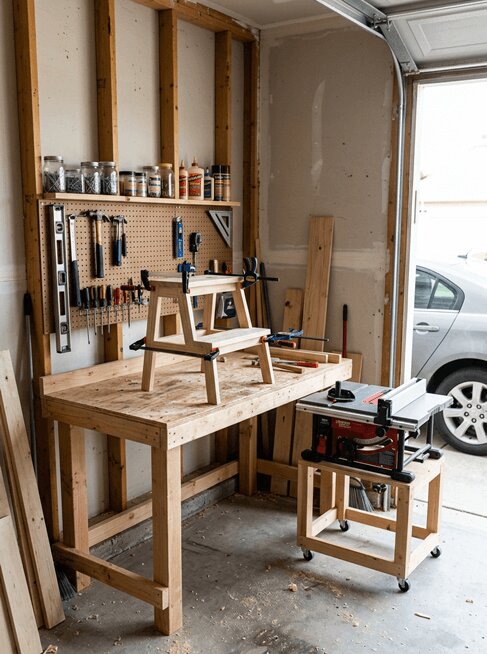
Place the bench near a water spigot and in some shade, so you can work comfortably on hot days. Set the feet on pavers or a level gravel strip so it does not rock or sink.
A potting bench works well alongside the other garden builds: raised garden beds for growing and planter boxes for the patio.
Finish and care
Cedar can weather naturally, or take a penetrating exterior oil once a year. Brush off soil after each use, and store the tub and tools inside for winter if your area freezes.
If you like the look, the same materials make a matching seat — see garden bench plans.
Plans for the garden
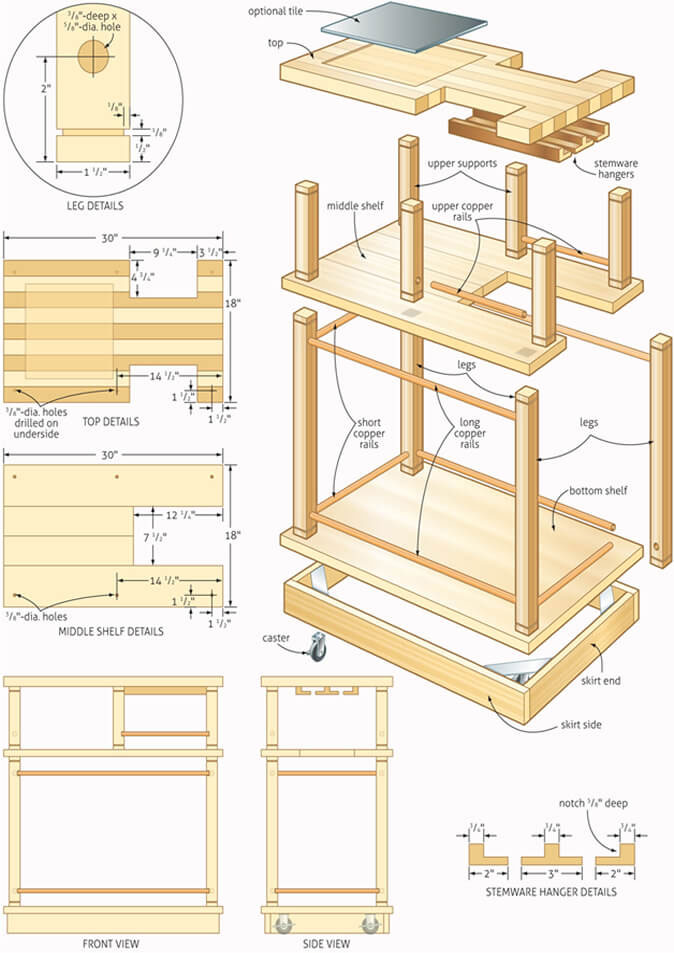
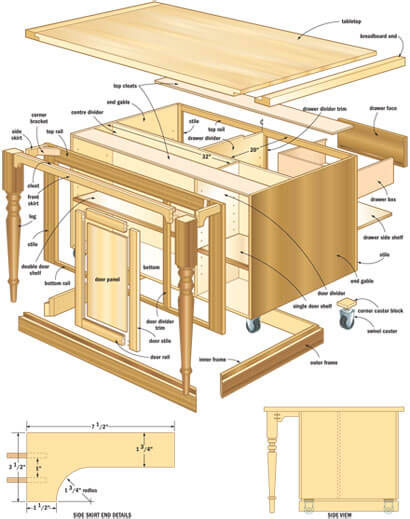
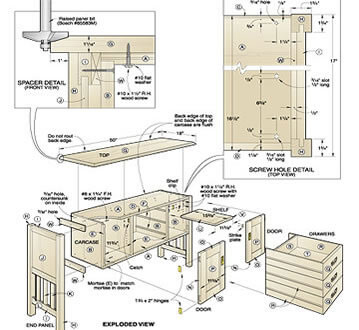
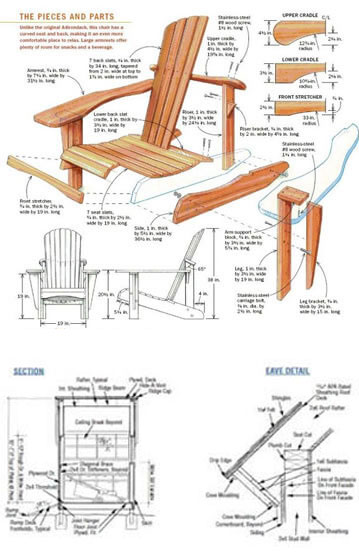
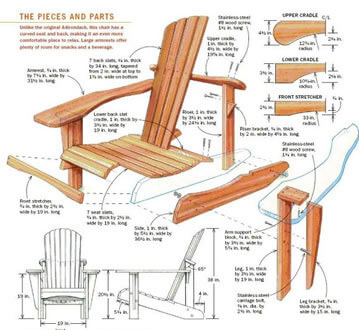
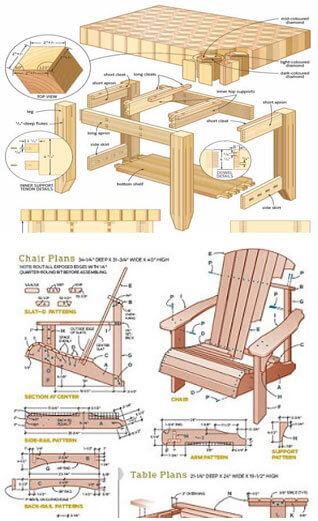
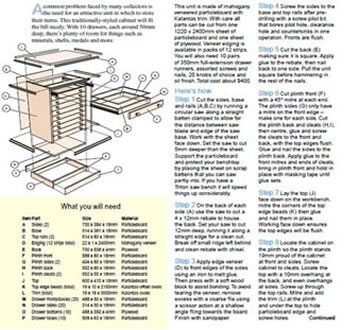
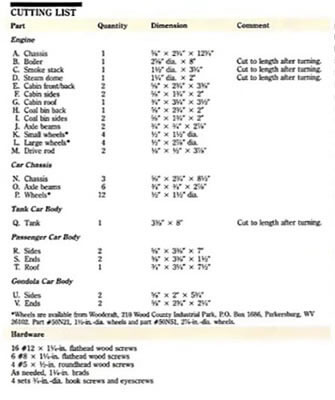
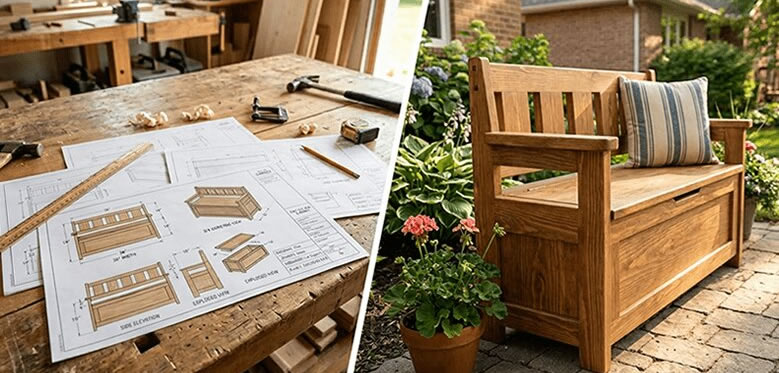
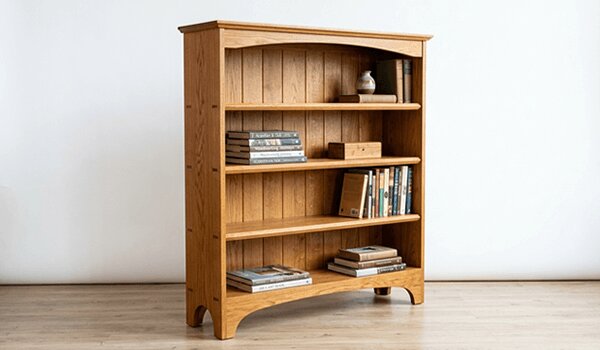
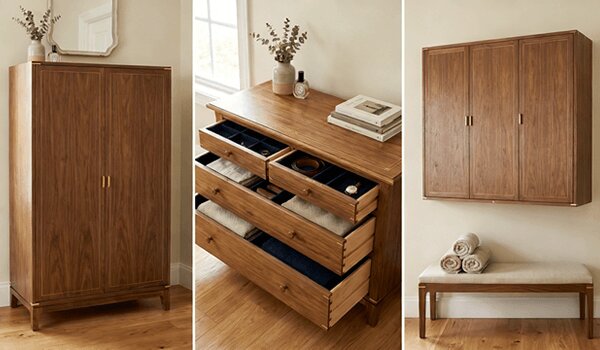
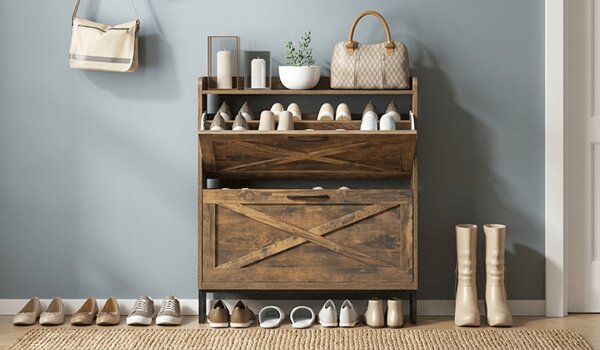
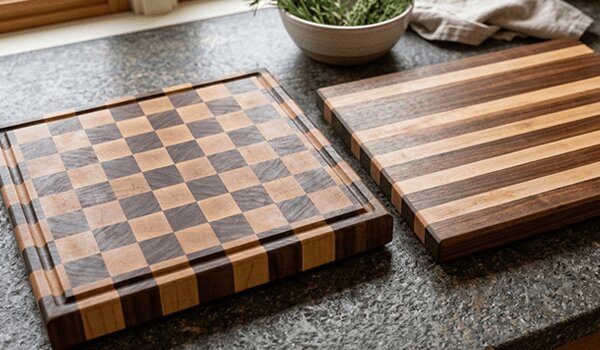
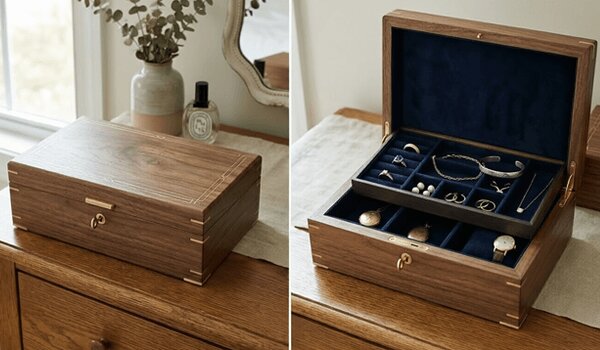
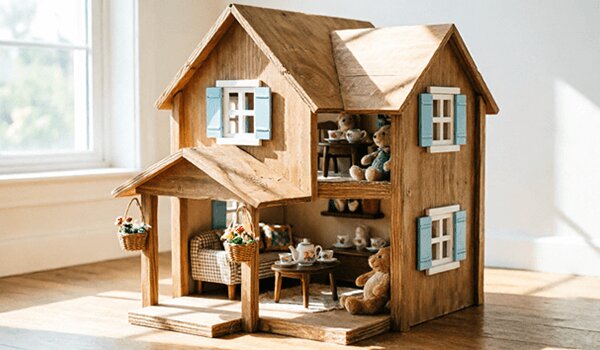
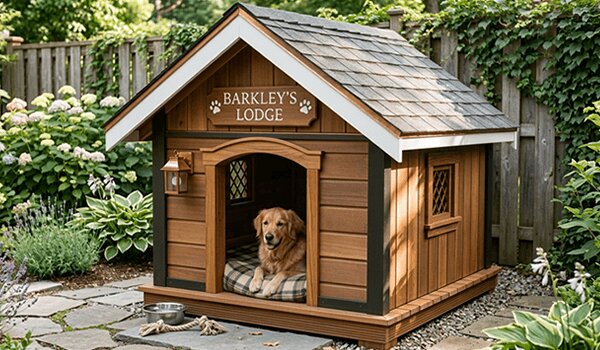
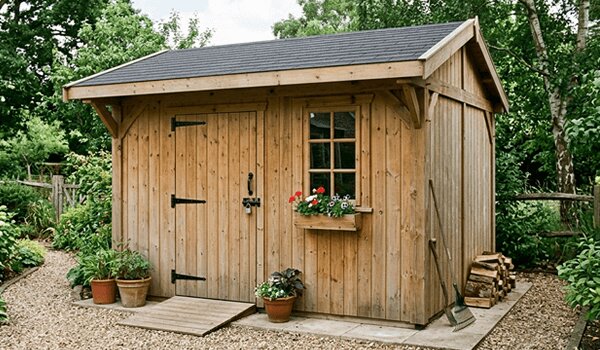
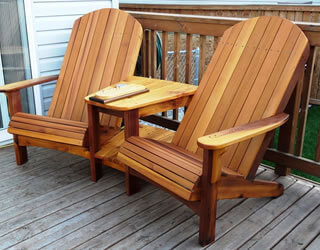
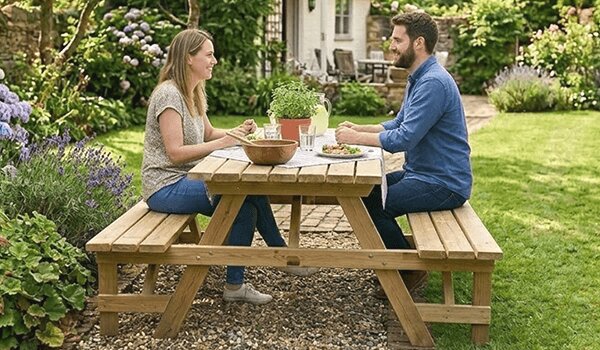
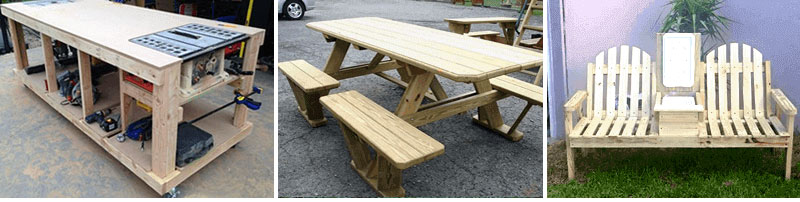
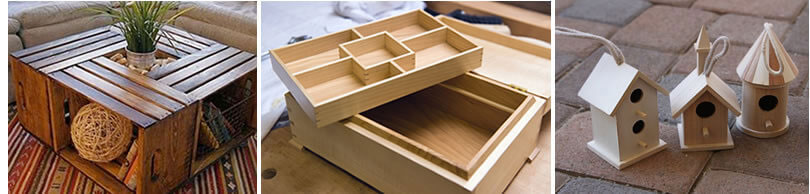
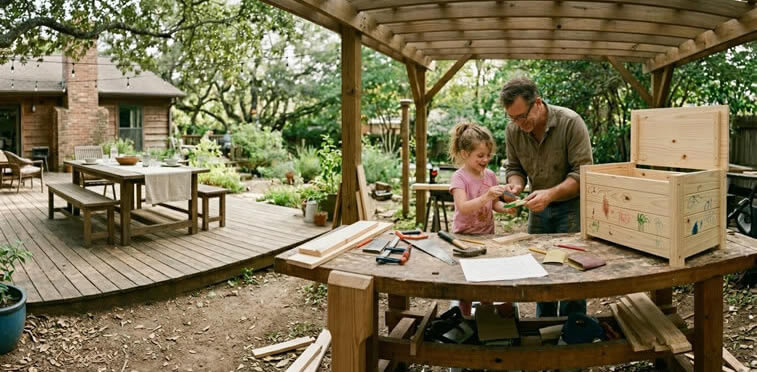
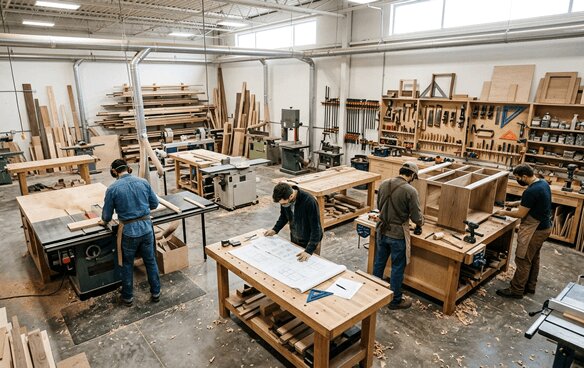
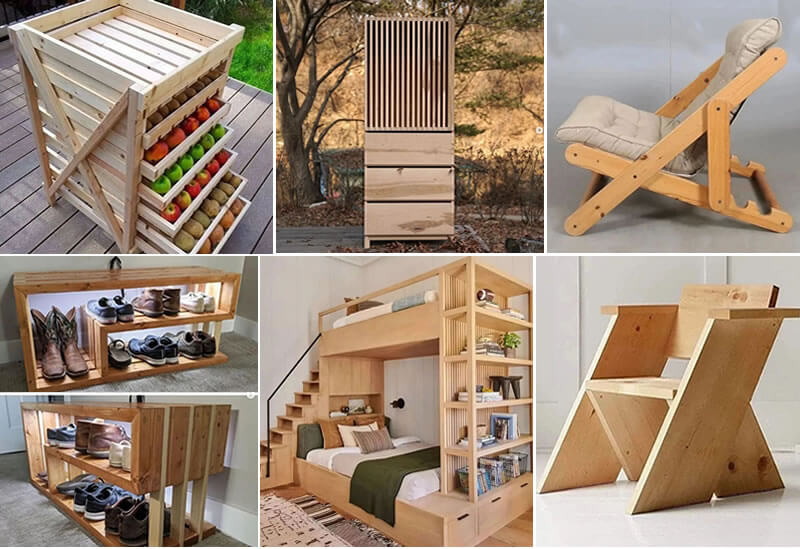
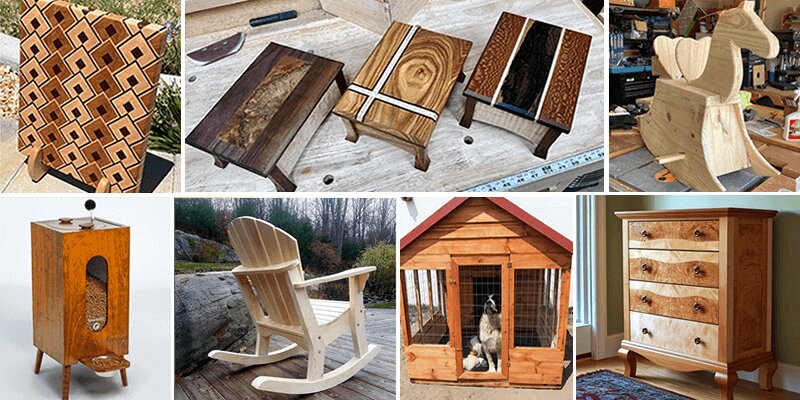
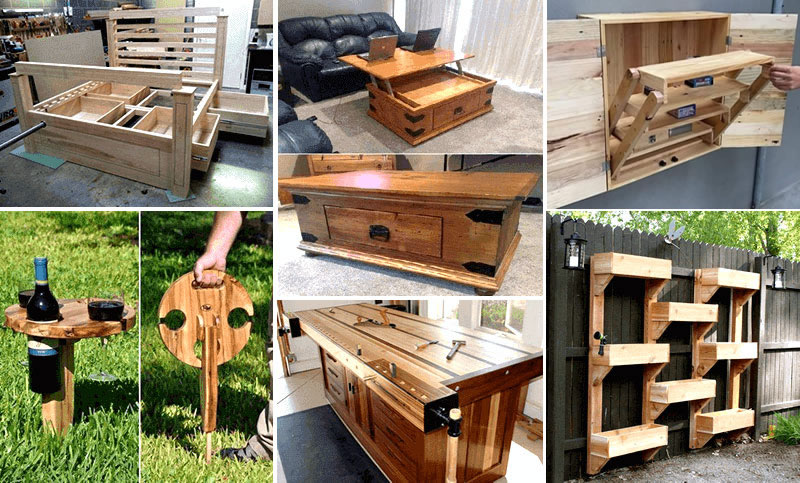
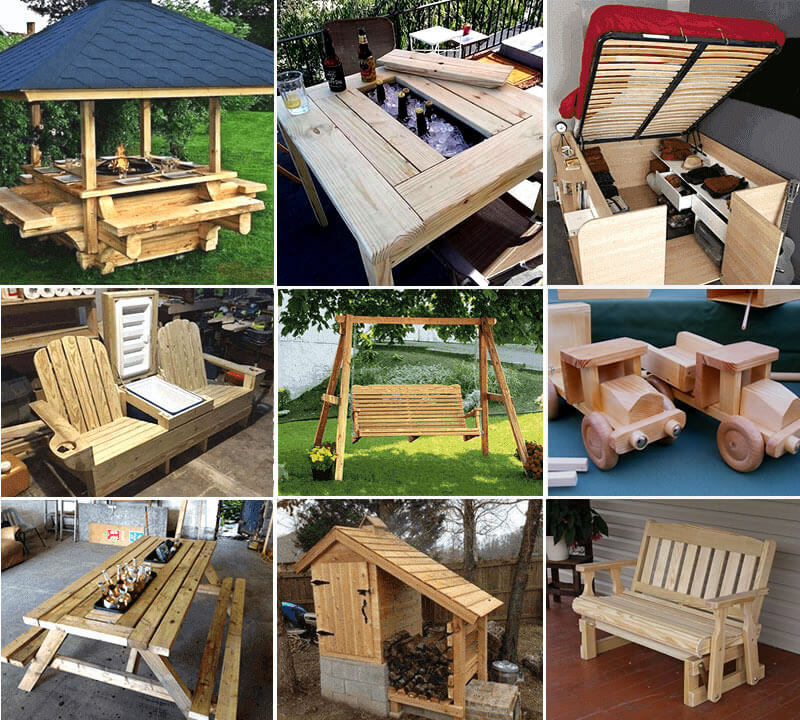
TedsWoodworking lists potting tables among the plan types in its Outdoor & Garden category, which holds more than 2,150 plans. Every plan in the 16,000-plan library includes step-by-step instructions, exact cut lists, complete materials lists and multi-angle schematics with exploded views of every joint.
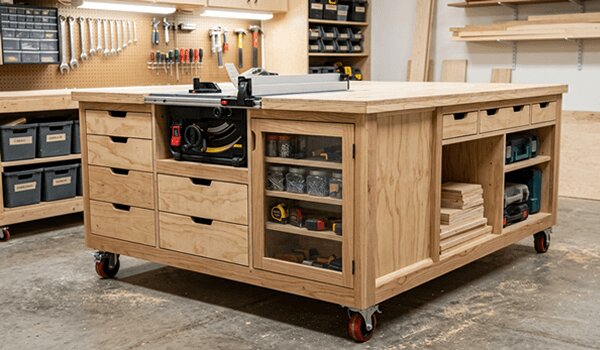
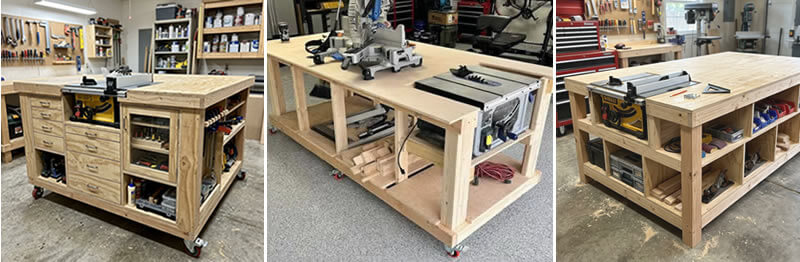
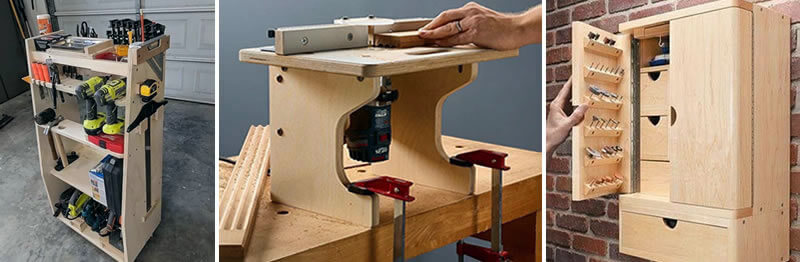
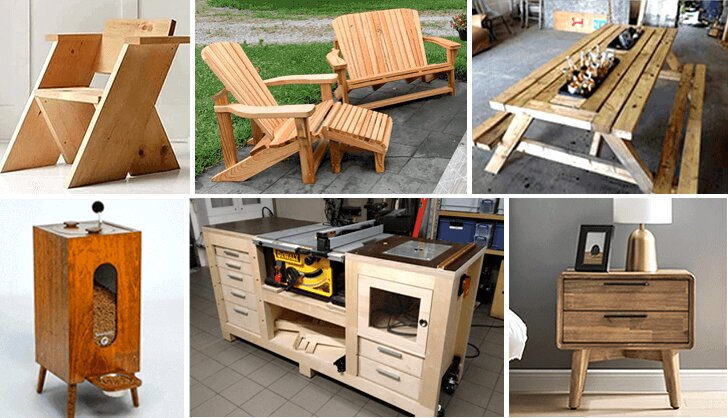
A look inside TedsWoodworking

FAQ
How tall should a potting bench be?
Around kitchen-counter height, about 36 inches, adjusted a few inches for your own height and work.
What is the best wood for a potting bench?
Cedar and cypress resist rot naturally; ground-contact treated lumber lasts well for legs.
Should a potting bench top be slatted?
A slatted top lets soil and water fall through, which keeps the bench cleaner and drier.
How big should a potting bench be?
About 4 feet wide and 2 feet deep suits most gardens; make it wider if you pot up many plants at once.
Next step
Work at your kitchen counter for five minutes and note whether you want the bench higher or lower — then build to that number.
Based on standard outdoor furniture practice and common guidance on work-surface height. Product details for TedsWoodworking are from the vendor’s published offer page as of September 29, 2026.