Disclosure: this article contains affiliate links. If you buy through them, we may earn a commission at no extra cost to you. How this works.
Short answer
Dog recall training is the one skill worth paying premium for: a word that means “come here and something excellent happens”, with no exceptions the dog can remember.
Four stages — charge the word indoors, pay far above market rate, add distance on a long line, then add distraction — and a short list of habits that quietly destroy a recall.
Games that teach your dog to focus on you
- Created by Adrienne Farricelli, a CPDT-KA certified trainer
- 21+ force-free games in graded modules, with video demonstrations
- An archive of solutions for barking, chewing, jumping, digging and more
- Instant access and a 60-day money-back guarantee
Pick a word the dog has never heard
If “come” has already been shouted across a park while the dog ignored it, the word is damaged. Pick a fresh one — “here”, “to me”, a whistle — and protect it.
The new word is only ever used when you can make it work, and it is always followed by something the dog considers worth leaving a smell for.
Protecting the cue is most of the job. A recall word used for nail trims and bath time stops meaning what you wanted.
Stage 1 — Charge the word
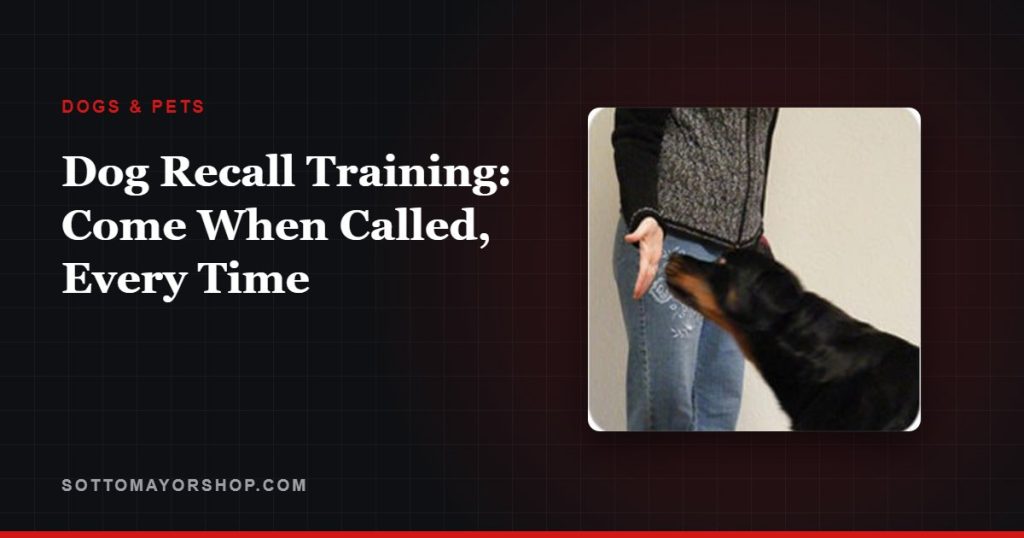
Indoors, dog next to you, say the word once and immediately hand over three or four small pieces of something excellent, one after another. Repeat ten times a day for two days.
You are not asking for anything yet. You are teaching the dog that the word predicts a jackpot — the same way a can opener predicts dinner.
Stage 2 — Pay far above market rate
The last one matters more than it sounds. Most recall failures in the field are dogs who come close and then dance out of reach.
- Chicken, cheese, roast beef. Not kibble, and not the treats he gets for sitting.
- Deliver several pieces in a row rather than one — duration of the payoff matters more than size.
- Add a second reward the dog values: a tug game, a thrown ball, a release back to the thing he was sniffing.
- Grab the collar gently while he eats, so a hand reaching for him is part of the good news, not the end of freedom.
Stage 3 — Distance, on a long line
A 15 to 30 ft line clipped to a harness keeps the dog safe while you practice at real distances, in a garden or a quiet field.
Say the word once, then run backwards a few steps — movement away from the dog triggers the chase and makes coming to you the fun option. Pay when he arrives, then release him back to what he was doing.
That release is the secret: if coming back always ends the fun, the dog does the maths and stops coming.
Never reel the dog in with the line. The line is a safety net, not a steering wheel.
| Stage | Where | Distraction level | Pay |
|---|---|---|---|
| 1. Charge | Living room | None | 3–4 pieces in a row |
| 2. Short recall | Hallway, garden | Low | Jackpot plus collar touch |
| 3. Long line | Quiet field | Medium | Jackpot plus release back |
| 4. Real life | Park, trail | High | Jackpot, sometimes a game |
Stage 4 — Distraction, added deliberately
Work at the distance where your dog can still hear you: far from the other dog, not next to it. Call, pay, release. Then shorten the distance over sessions.
If he does not come, the environment is harder than his current level — walk to him, take the collar, go back a step in the plan. Never repeat the word five times; every unanswered repetition teaches that the word is optional.
This is the same ladder used for leash work in the leash plan and for the indoor games in the games guide.
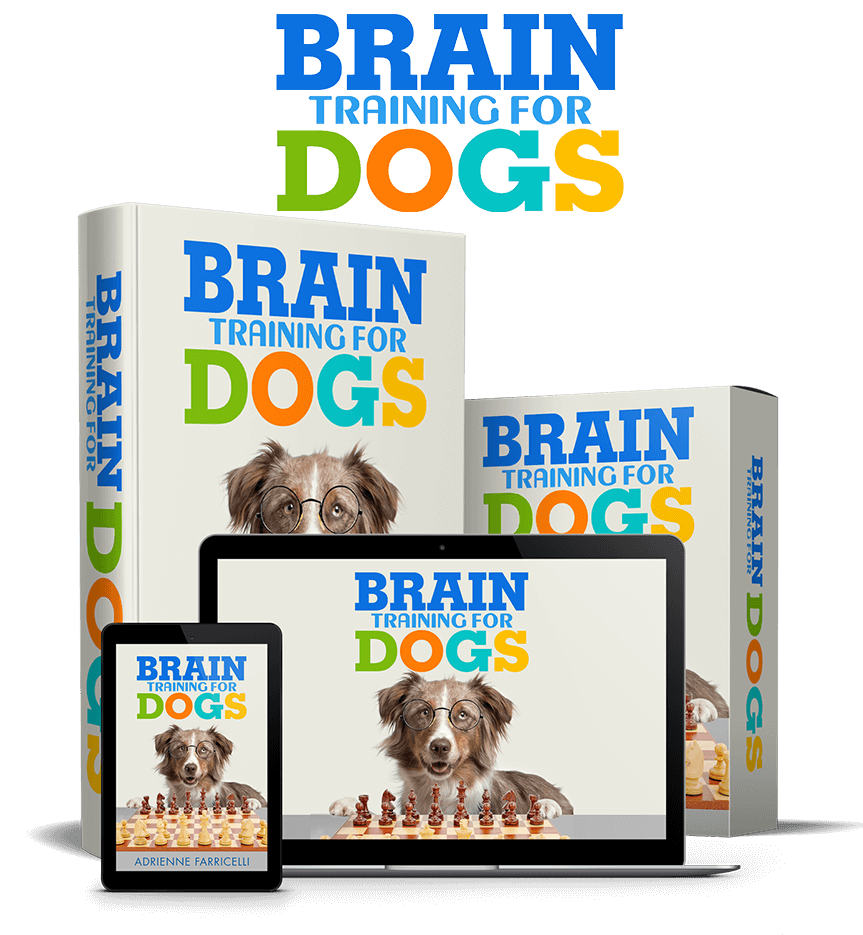
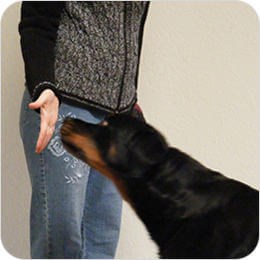
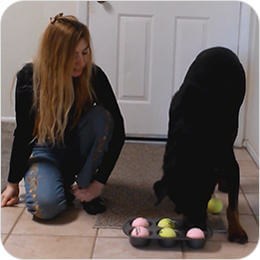
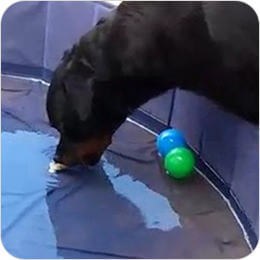
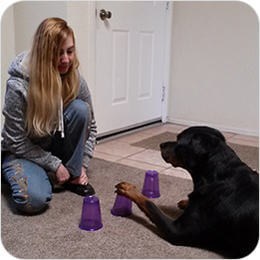
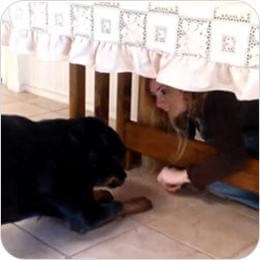
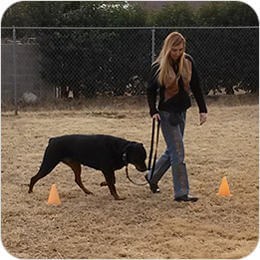
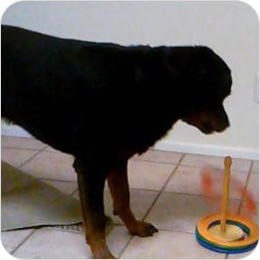
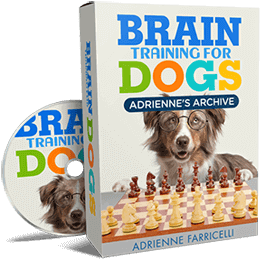
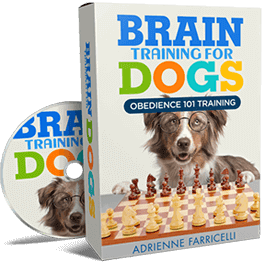
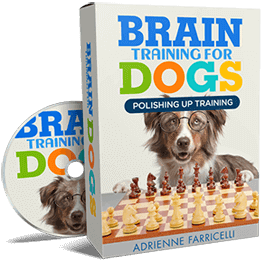
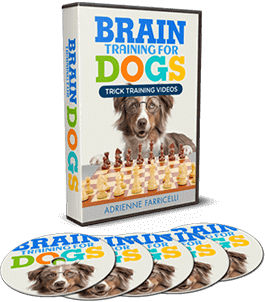
Between recall sessions, short indoor games keep the dog tuned in to you. Brain Training for Dogs has more than 21 of them, each with step-by-step guides and video demonstrations, from CPDT-KA certified trainer Adrienne Farricelli.
Five habits that break a recall
- Calling the dog to end the walk, every time. Call, pay, release — and only sometimes clip the leash.
- Calling for baths, nail trims or medicine. Go and get him instead.
- Calling when you are angry. Tone travels; dogs avoid arriving.
- Repeating the word. One call, then act.
- Paying with kibble in a field full of rabbits. The reward has to beat the competition.
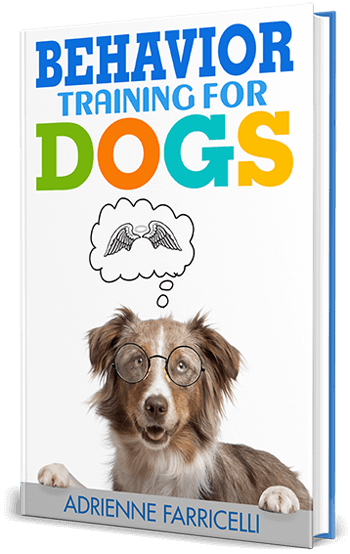
A look inside Brain Training for Dogs
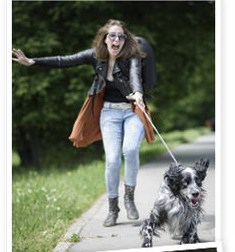
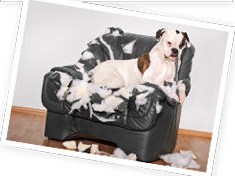

FAQ
How long until the recall is reliable?
Four to eight weeks of short daily sessions for most dogs, longer for sighthounds and scent hounds in high-distraction places.
Can I train recall off-leash from the start?
Only where it is safe and enclosed. A long line gives you the same freedom without teaching the dog that ignoring you is an option.
My dog comes, then runs off before I can touch him.
Add the collar touch to every payment from stage 2, and keep feeding while your hand is on the collar.
Is a whistle better than a word?
It carries further and always sounds the same, which helps. The training is identical either way.
Next step
Choose the new word tonight and charge it ten times before bed. Do not use it outside until the dog turns his head every single time indoors.
Based on standard force-free, positive-reinforcement training practice as taught by certified trainers. Product details for Brain Training for Dogs are from the vendor’s published page as of September 28, 2026.