Disclosure: this article contains affiliate links. If you buy through them, we may earn a commission at no extra cost to you. How this works.
Short answer
To teach a dog leave it, you reward the dog for choosing to look away from something it wants. It is not about taking things from the dog; it is about the dog learning that ignoring the item pays better than grabbing it.
Five steps take most dogs from a closed hand to food on the floor in a week or two of short daily sessions. It is one of the most useful cues you can teach, because it works before the dog has the thing in its mouth.
Impulse control, taught through games
- Created by Adrienne Farricelli, a CPDT-KA certified trainer
- 21+ force-free games in graded modules, with video demonstrations
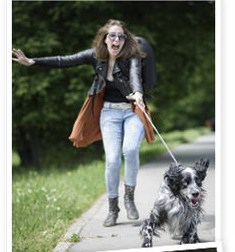
- An archive of solutions for barking, chewing, jumping, digging and more
- Instant access and a 60-day money-back guarantee
Why leave it matters
A dropped pill, a chicken bone on the sidewalk, a chocolate bar on the coffee table: many of the things that hurt dogs are things they pick up in a second. Leave it gives you that second back.
It also lowers the number of arguments over objects. A dog that has learned to turn away from things never learns to run off with them, which is where many guarding problems start — see resource guarding.
The five steps
- Step 1 — Closed hand. Hold a treat in a closed fist in front of the dog. Let it sniff, lick and paw. The moment it pulls its nose away, say “yes” and give a better treat from your other hand.
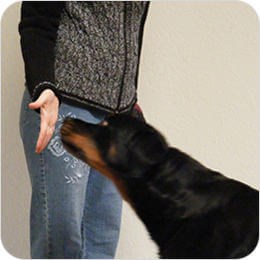
- Step 2 — Open hand. Show the treat on an open palm. If the dog goes for it, close your hand. When it holds back for a second, mark and reward from the other hand.
- Step 3 — Add the cue. Once the dog is looking away reliably, say “leave it” just before you open the hand. Now the word means what the dog is already doing.
- Step 4 — The floor. Put the treat on the floor under your foot, then uncovered with your foot ready. Reward every look away, always from your hand, never the item on the floor.
- Step 5 — On the move. Walk the dog past a treat on the floor on a leash, at a distance where it can succeed. Reward the look back at you, then close the distance over sessions.
The rules that make it work
- The dog never gets the item it was asked to leave. The reward always comes from you.
- Pay with something better than what the dog is leaving. Kibble loses to sausage every time.
- Keep sessions to a few minutes. Frustration is the enemy of self-control.
- Raise the difficulty one thing at a time: first the value of the item, then the distance, then the setting.
Using it in real life
On walks, say it early — the moment you see the chicken bone, not when the dog’s nose is on it. The earlier the cue, the easier the choice.
At home it pairs well with the management in stopping a dog chewing everything: fewer temptations while the cue is new, more once it is reliable.
Common mistakes
- Repeating the cue five times. Say it once, then help by increasing distance.
- Pulling the dog away with the leash instead of letting it choose. The choice is the lesson.
- Practicing only with boring items, then expecting it to work on a dropped steak.
- Letting the dog win the item after a few seconds of waiting, which teaches it that waiting is just a delay.
Building self-control with games
Leave it is one of a family of self-control skills. Short daily games that ask the dog to wait, choose and think make every one of them easier.
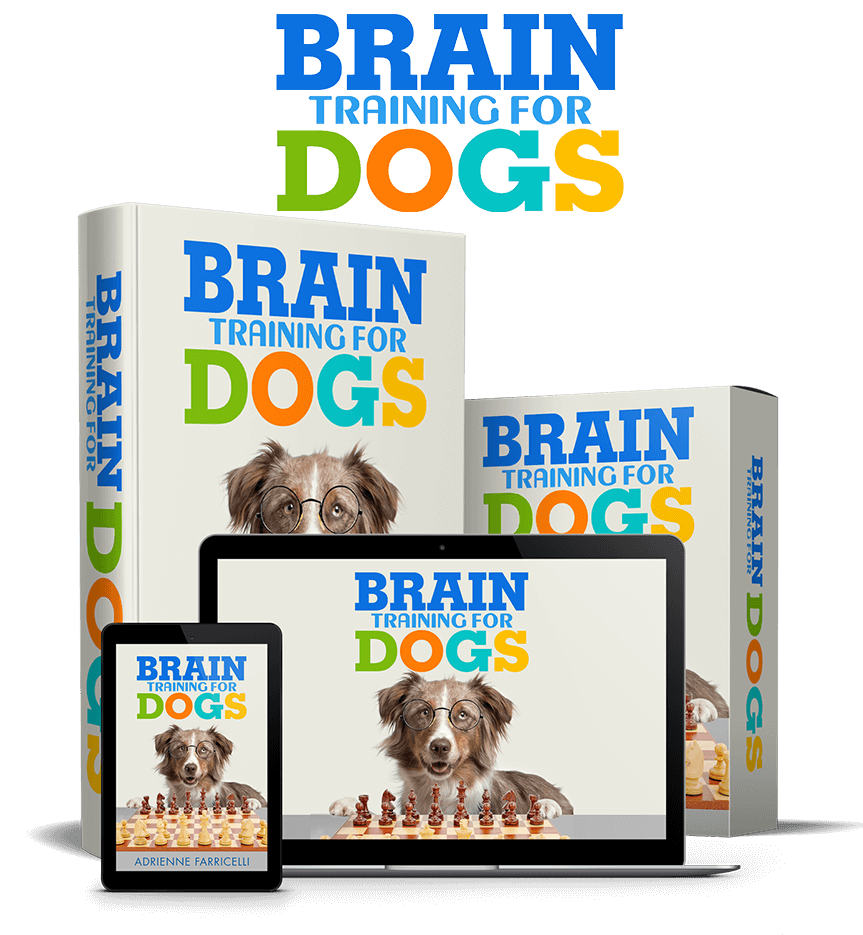
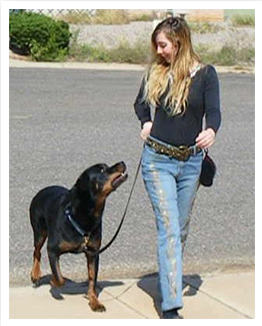
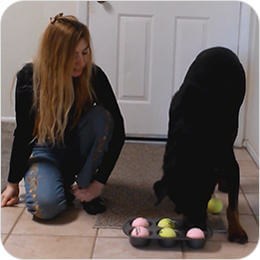
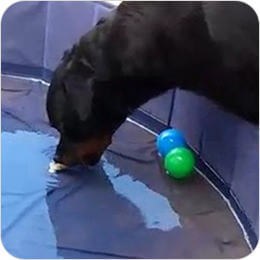
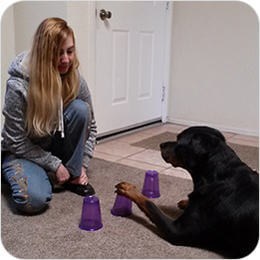
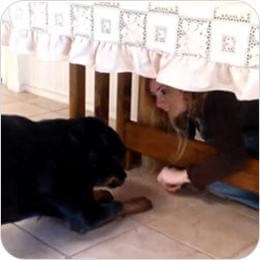
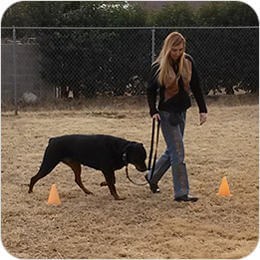
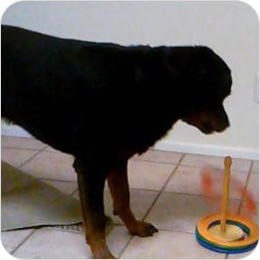
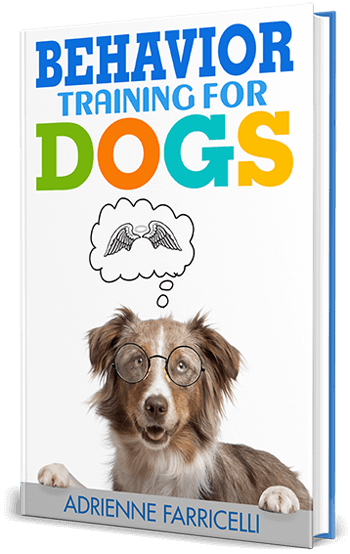
Brain Training for Dogs has more than 21 such games with step-by-step guides and video demonstrations, plus an Obedience 101 section covering sit, down, stay, heel and drop, created by CPDT-KA certified trainer Adrienne Farricelli.
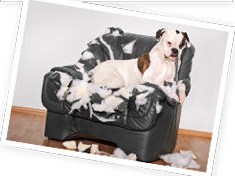
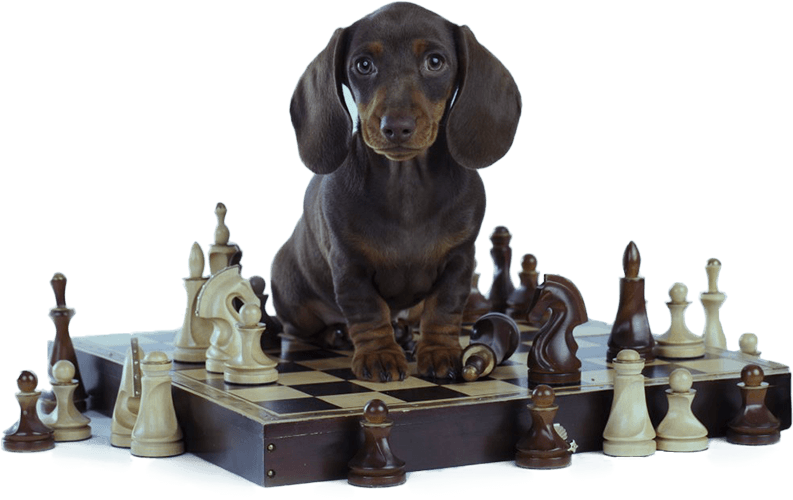
A look inside Brain Training for Dogs

FAQ
How long does it take to teach leave it?
Most dogs learn the hand and floor steps in one to two weeks of short daily sessions. Reliability on walks takes longer and grows with practice.
What is the difference between leave it and drop it?
Leave it means do not take the thing. Drop it means let go of something already in your mouth. Teach both, but leave it prevents more problems.
Should I ever let my dog have the item after leave it?
Not the item you asked it to leave. Reward from your hand instead, so leaving things alone always pays.
My dog ignores leave it outside. What now?
Go back a step: more distance from the item and a higher-value reward. Outside is a harder setting, so the criteria need to drop for a while.
Next step
Tonight, do step 1 for three minutes before dinner: a treat in a closed fist, and a better treat the instant your dog looks away.
Based on standard force-free, positive-reinforcement training practice for impulse-control cues. Product details for Brain Training for Dogs are from the vendor’s published page as of September 29, 2026.