Disclosure: this article contains affiliate links. If you buy through them, we may earn a commission at no extra cost to you. How this works.
Short answer
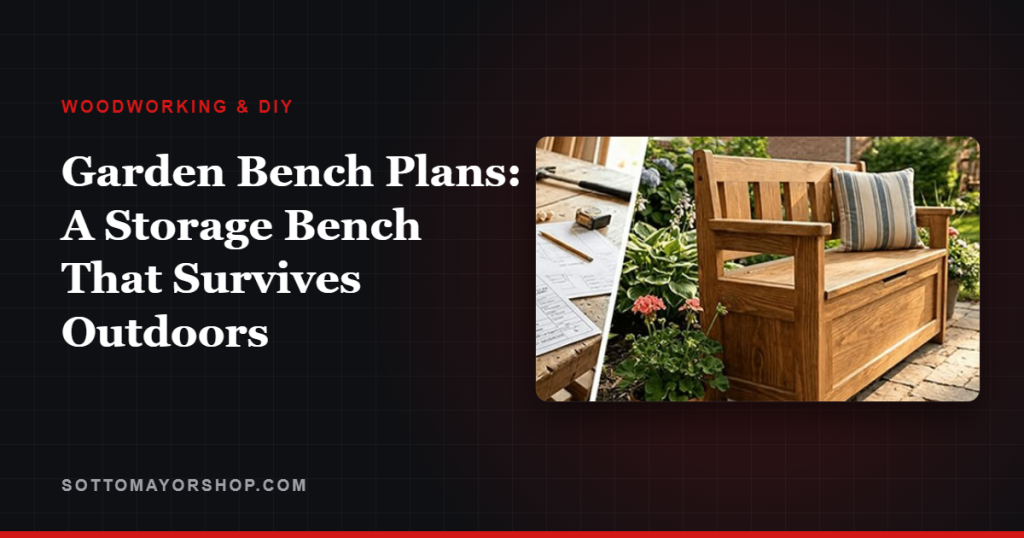
Good garden bench plans get four things right: a seat height and depth that are comfortable to sit on, joinery and fasteners that shrug off rain, a design that lets water drain away, and a finish you can renew in an afternoon.
Add a hinged seat and the bench becomes outdoor storage for cushions and garden tools — as long as the box breathes and drains.
Garden bench plans with complete materials lists
- 16,000 plans with step-by-step instructions, exact cut lists and materials lists
- Multi-angle drawings with exploded views of every joint
- Search by keyword or browse 100+ categories by difficulty
- New plans every month and a 60-day money-back guarantee
Dimensions for comfort
| Part | Typical size | Why |
|---|---|---|
| Seat height | 17 to 19 in | Feet flat on the ground, knees level |
| Seat depth | 16 to 20 in | Room to sit back without the edge cutting into the legs |
| Back angle | About 100 to 105 degrees | A slight recline is more comfortable than upright |
| Length | 4 to 5 ft | Two or three adults |
| Armrest height | About 7 to 9 in above the seat | Arms rest without shrugging |
Wood and hardware that last outside
- Cedar and redwood resist decay naturally and stay light enough to move.
- White oak and teak are heavier and very durable; teak is the classic for outdoor furniture.
- Pressure-treated pine is economical and strong; let it dry before finishing.
- Stainless steel or coated exterior screws throughout, and a waterproof glue for any glued joints.
- Avoid plain steel fasteners, which stain the wood and rust through in a season.
Design so water leaves
Outdoor furniture fails where water sits: flat end grain on the ground, tight joints that trap moisture, seat boards with no gap between them. Leave a small gap between seat slats, slope the tops of arms slightly, and put the legs on plastic glides or feet so end grain is not standing in a puddle.
Wood outdoors moves more than indoors because the humidity swings more. The reasons, and the joints that tolerate it, are in wood movement.
Building the storage box
A storage bench is a box with a hinged seat. Drill a few drainage holes in the floor of the box and leave a small gap at the back of the lid so air can move. A sealed box outdoors turns into a damp box.
Fit a lid support or soft-close hinges so the seat stays open on its own and cannot slam shut on fingers — important if children use the bench. Keep heavy cushions and tools in the box, and it doubles as a place to sit while you work in the garden.
Finish, and renew it
A penetrating exterior oil or semi-transparent stain is the easiest outdoor finish to maintain: when it fades, clean the bench and wipe on another coat. Spar varnish looks glossier but eventually cracks and needs sanding back.
Whichever you choose, finish every face, including the underside and the inside of the box, so the wood takes on and loses moisture evenly. The trade-offs between finishes are laid out in choosing a wood finish.
Cut list and assembly
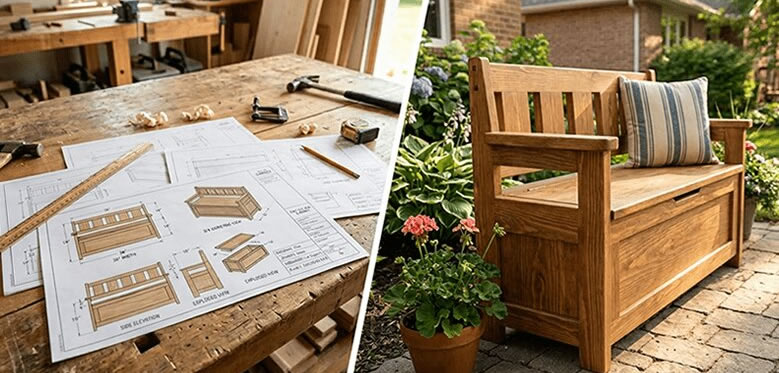
Build the two end frames first, check them against each other, then join them with the front, back and seat supports. Square the box by measuring its diagonals before the glue sets.
A clear plan with every part sized makes the whole project a weekend instead of a month of adjustments.
Start from a plan
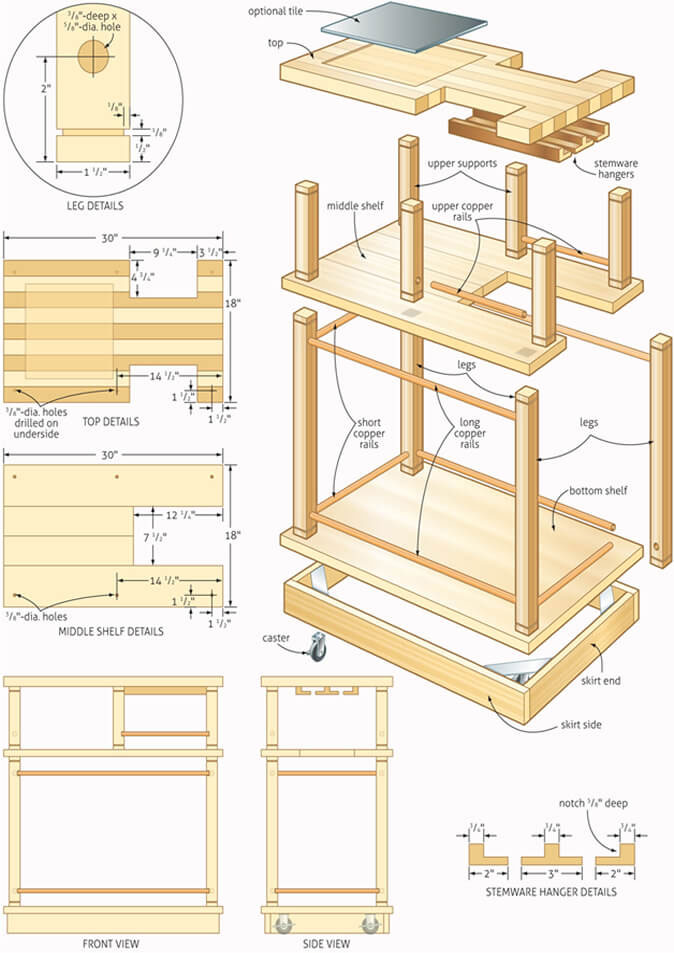
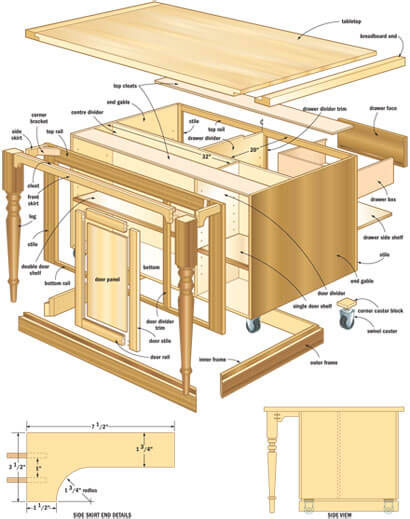
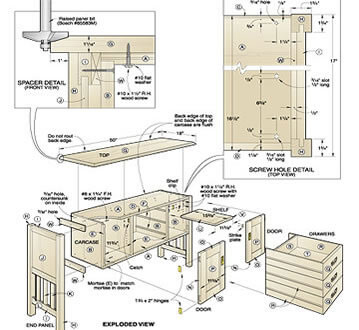
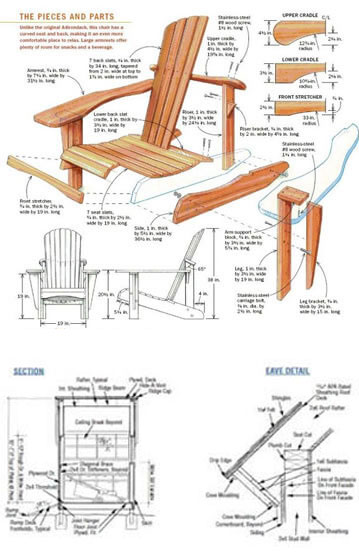
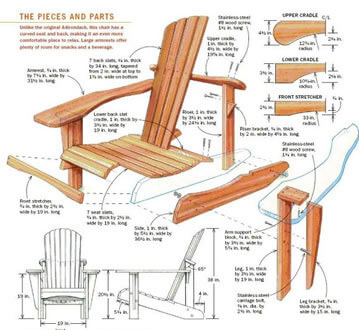
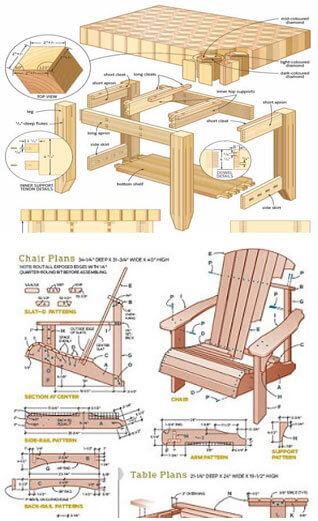
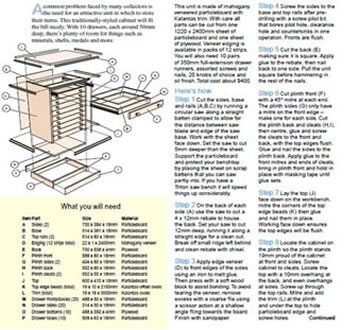
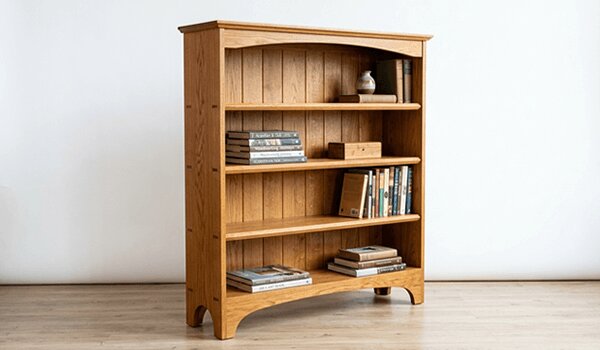
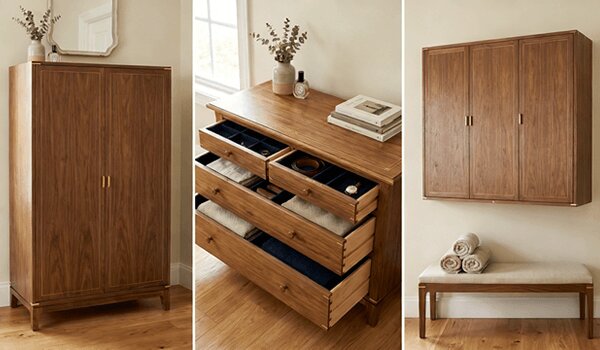
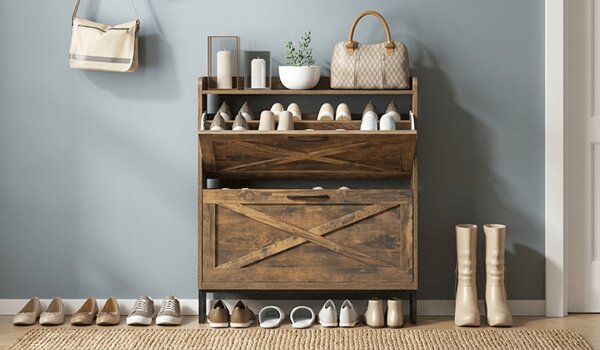
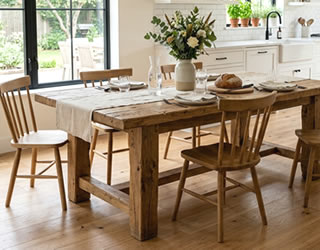
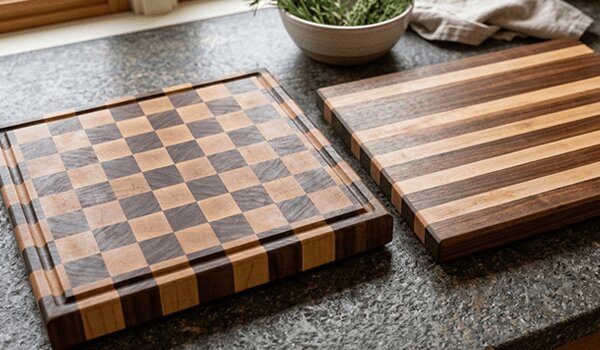
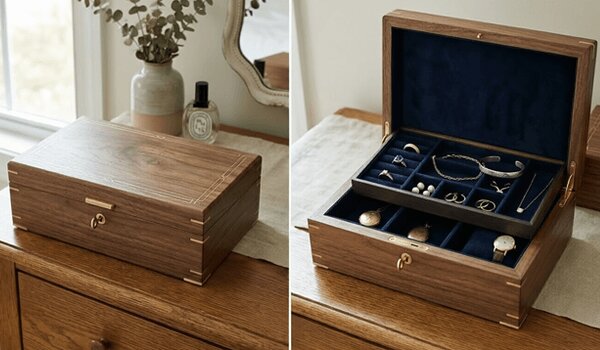
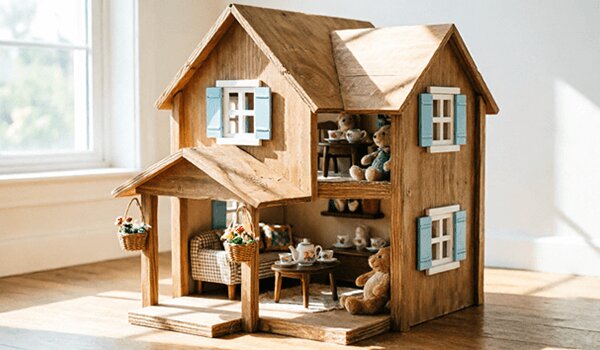
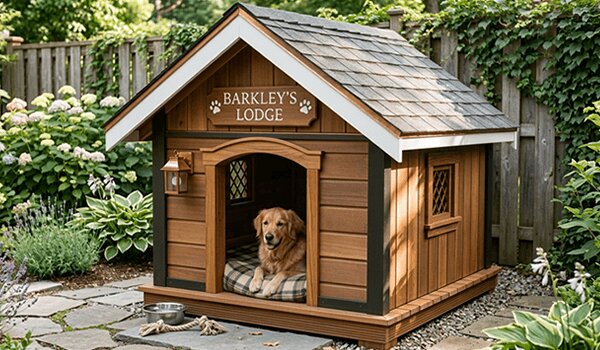
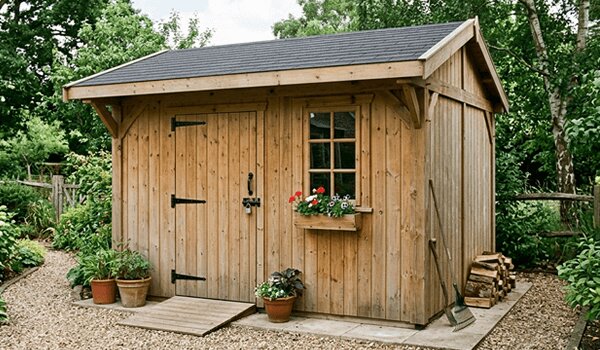
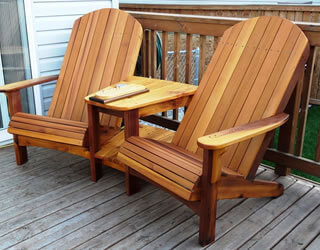
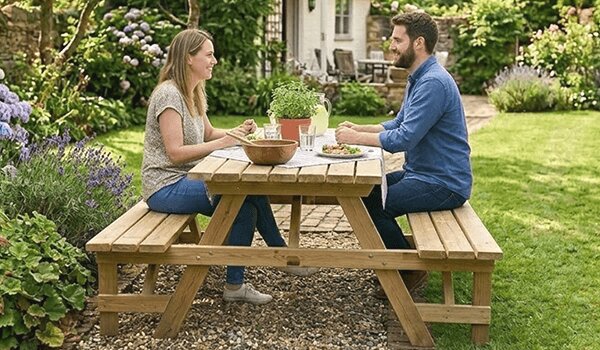
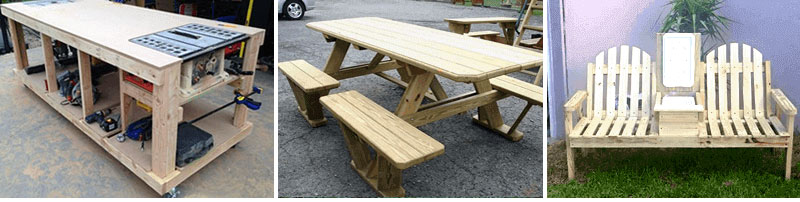
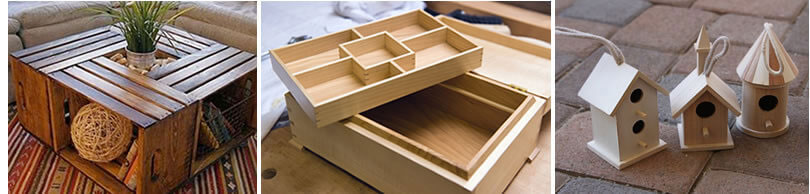
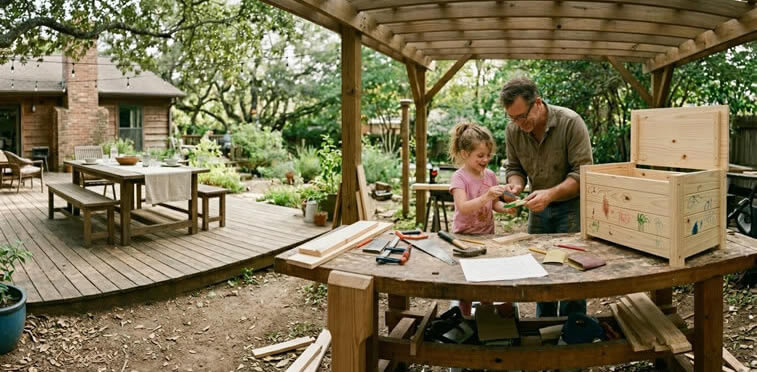
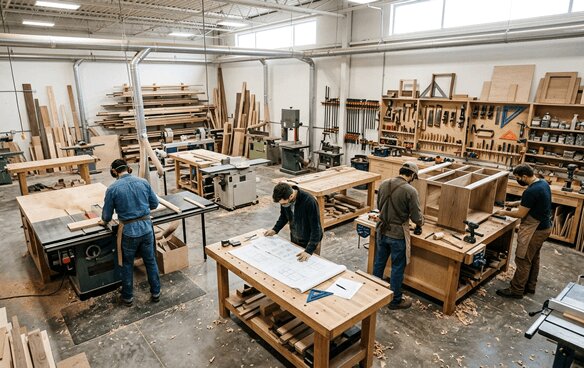
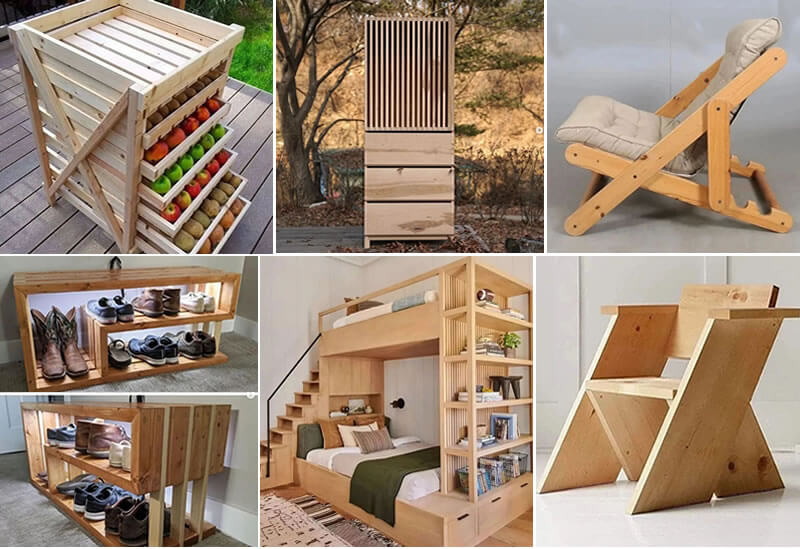
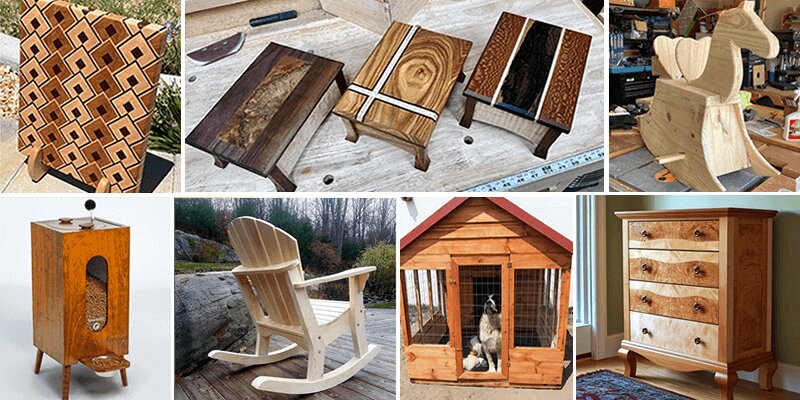
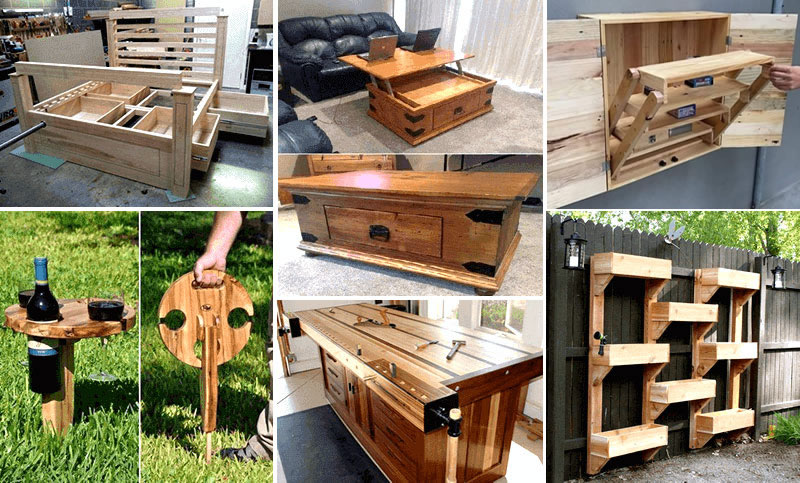
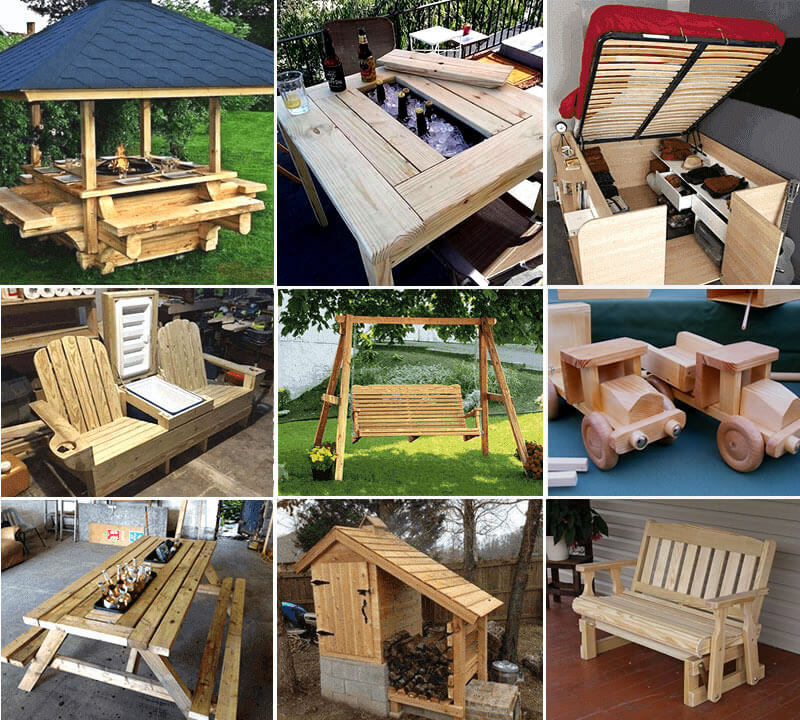
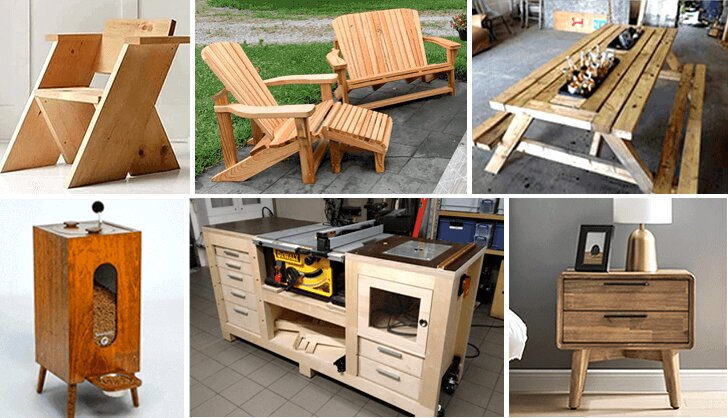
TedsWoodworking uses the garden bench as its own example of what its library search finds, and a garden bench with storage appears among the projects on its page. The Outdoor & Garden category lists more than 2,150 plans, and every plan in the 16,000-plan library comes with step-by-step instructions, an exact cut list and a complete materials list.
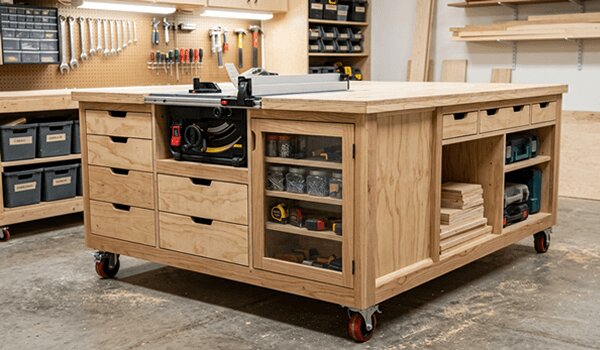
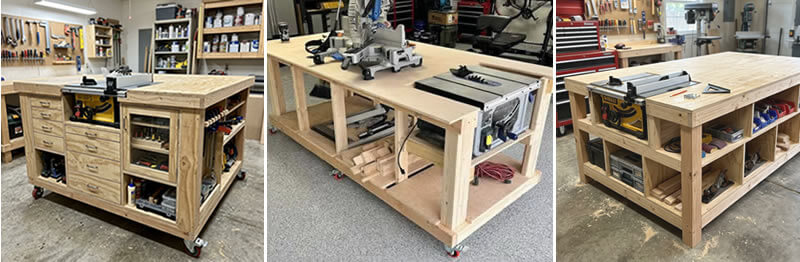
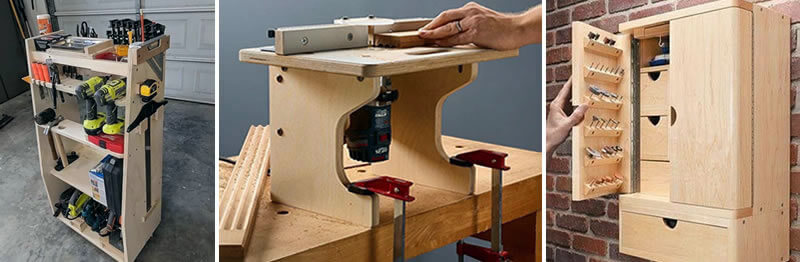
A look inside TedsWoodworking

FAQ
What is the best height for a garden bench?
A seat 17 to 19 inches high, the same as a dining chair. Account for cushions if you will use them.
What wood is best for an outdoor bench?
Cedar, redwood, white oak or teak for durability; pressure-treated pine for value.
How do I keep a storage bench dry inside?
Drill drainage holes in the box floor, leave a small air gap under the lid, and keep the bench off standing water.
What finish should I use on a garden bench?
A penetrating exterior oil or semi-transparent stain is the easiest to maintain; renew it when it starts to fade.
Next step
Decide where the bench will stand and whether it needs storage, then choose the plan and wood that suit that spot.
Based on standard outdoor furniture design and construction practice: seating dimensions, outdoor wood and hardware, drainage and exterior finishing. Product details for TedsWoodworking are from the vendor’s published offer page as of September 29, 2026.