Disclosure: this article contains affiliate links. If you buy through them, we may earn a commission at no extra cost to you. How this works.
Short answer
Good raised garden bed plans start with size: no wider than 4 feet, so you can reach the middle from either side, and 10 to 12 inches deep for most vegetables. Build the frame from rot-resistant boards screwed to corner posts, brace the long sides, and fill it with a blend of topsoil and compost.
An 8-foot-long bed uses standard lumber lengths with almost no waste, which is why 4 by 8 feet is the classic size.
Garden bed plans with exact cut lists
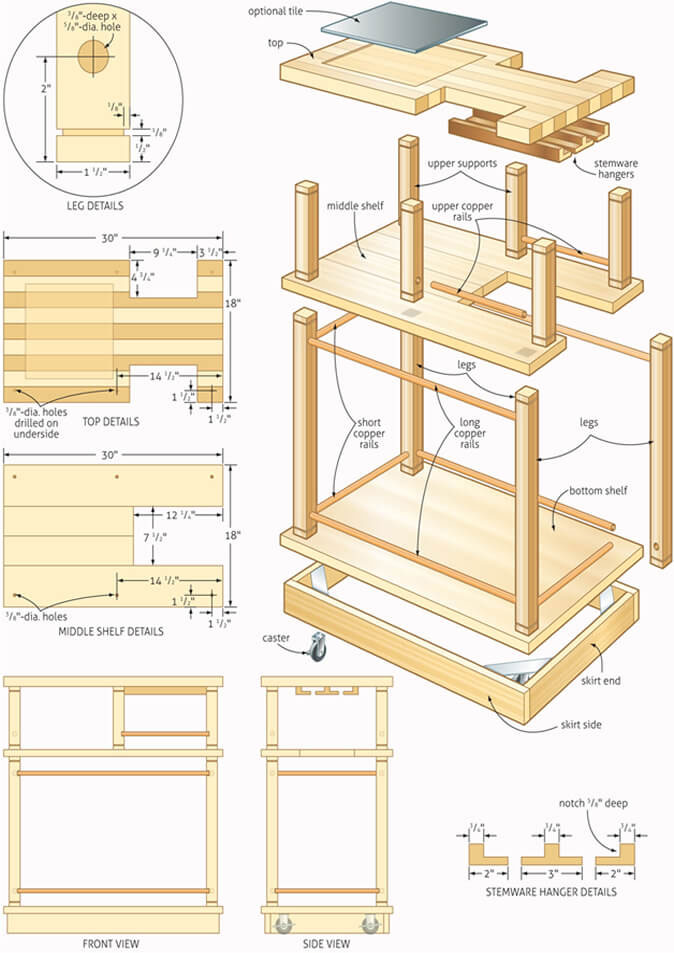
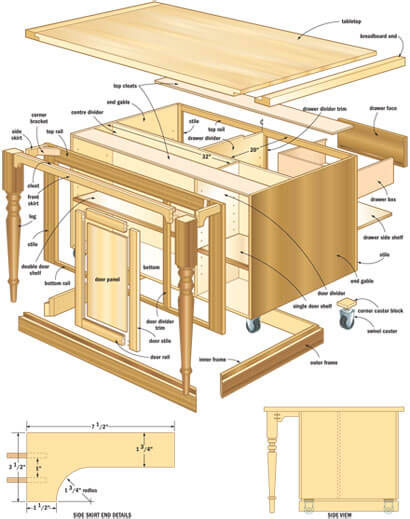
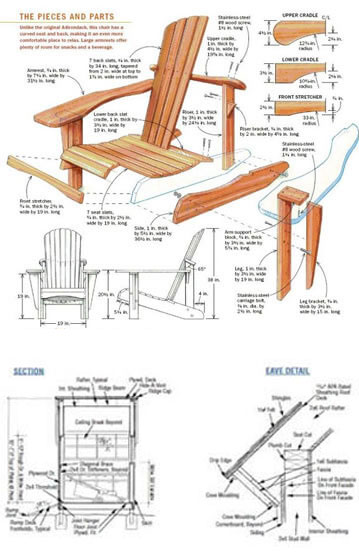
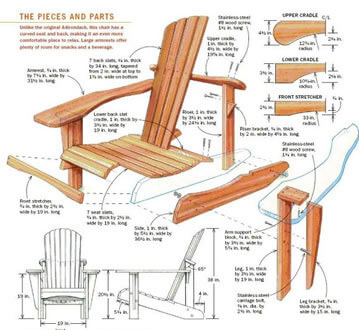
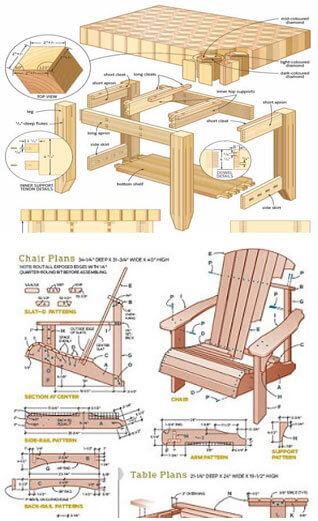
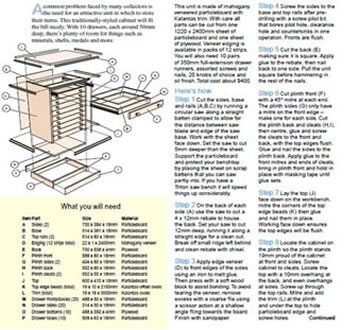
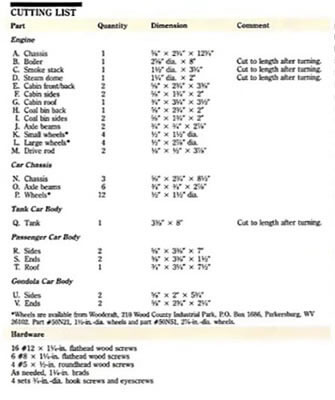
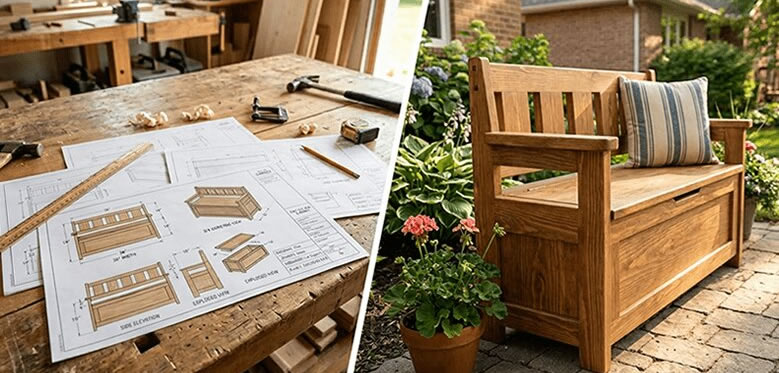
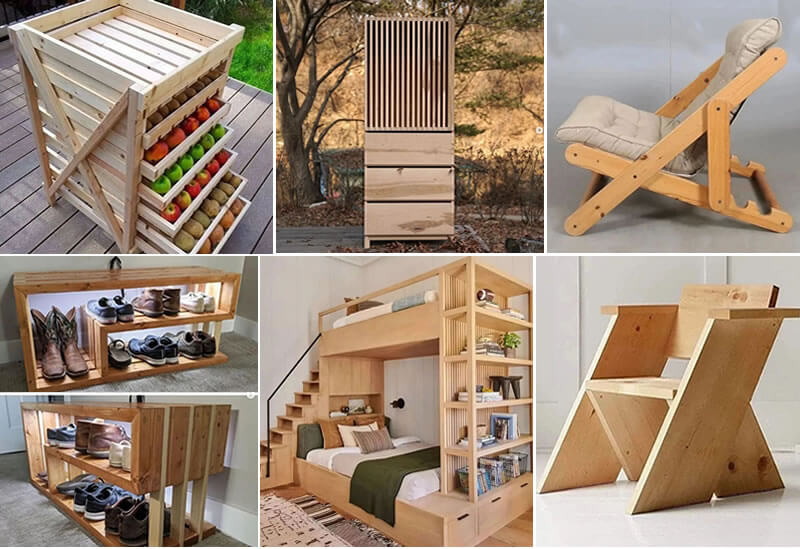
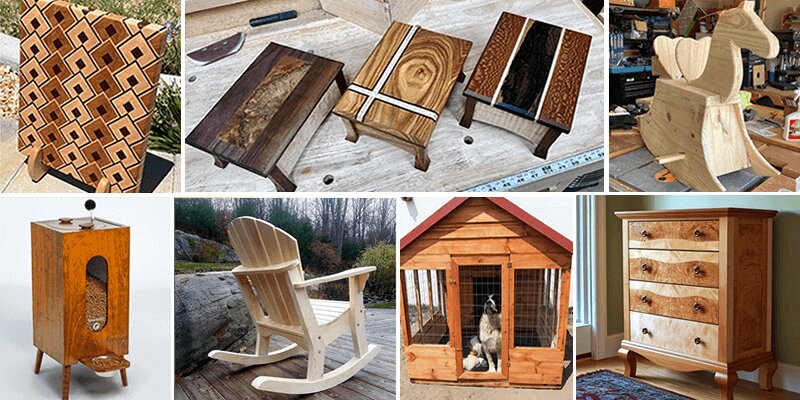
- 16,000 plans with step-by-step instructions, exact cut lists and materials lists
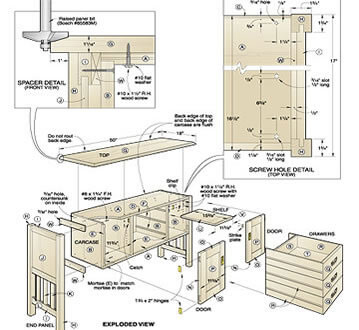
- Multi-angle drawings with exploded views of every joint
- Search by keyword or browse 100+ categories by difficulty
- New plans every month and a 60-day money-back guarantee
Size it for reach and for lumber
| Measurement | Common choice | Why |
|---|---|---|
| Width | 3 to 4 ft | You can reach the middle from either side without stepping on the soil |
| Width against a wall | 2 to 3 ft | You can only reach it from one side |
| Length | 8 ft | Matches standard board lengths |
| Depth | 10 to 12 in | Enough root room for most vegetables |
| Deeper beds | 18 to 24 in | Poor soil below, or less bending for the gardener |
| Paths | 18 to 24 in | Room to kneel, or wider for a wheelbarrow |
Choosing the wood
| Wood | How it holds up | Notes |
|---|---|---|
| Cedar or redwood | Naturally rot-resistant heartwood | Light, easy to work, weathers to silver |
| Pressure-treated, ground-contact | Long-lasting in soil | Today’s residential lumber uses copper-based preservatives; some gardeners line the inside |
| Untreated pine or fir | Shortest life in wet soil | Lowest up-front cost; thicker boards last longer |
A simple build with corner posts
- Cut the boards: two long sides and two ends for each layer. Two 2x6s stacked make a bed about 11 inches deep.
- Cut four 4×4 corner posts to the bed’s height, or a few inches longer to drive into the ground for extra hold.
- Screw each board to the posts with two 3-inch exterior screws per end, pre-drilling near the board ends.
- Build the frame upside down on a flat surface, then flip it into place.
- Check that it is square by measuring both diagonals; they should match.
Stop the long sides from bowing
Wet soil pushes outward, and a long side will bow within a season or two. On any bed longer than about 6 feet, add a brace at the middle: a 2×4 cross tie screwed across the top from side to side, or a short stake on the outside of each long side, screwed to the boards.
Writing a cut list before you buy lumber gets the boards, posts and braces out of the fewest pieces — see how to write a cut list.
Prepare the ground
- Pick a spot with six to eight hours of sun for most vegetables.
- Level the site so water spreads evenly; on a slope, dig the high side in rather than propping up the low side. The same leveling methods used for a small shed base apply here — see shed foundation options.
- Where gophers or moles are a problem, staple 1/2-inch galvanized hardware cloth across the bottom before filling.
- Lay cardboard over grass inside the frame to smother it; it breaks down over the season.
How much soil to buy
Multiply length by width by depth, all in feet, to get cubic feet. Divide by 27 for cubic yards, the unit bulk soil is sold in. Fill with a blend of screened topsoil and compost, and top it up each spring as it settles.
| Bed size | Cubic feet | Cubic yards |
|---|---|---|
| 4 x 8 ft, 12 in deep | 32 | about 1.2 |
| 4 x 8 ft, 11 in deep | about 29 | about 1.1 |
| 4 x 4 ft, 12 in deep | 16 | about 0.6 |
| 3 x 6 ft, 12 in deep | 18 | about 0.7 |
Small details that add years
- Keep the screws to exterior-rated or stainless types; plain steel rusts out in wet soil.
- Leave the inside faces unfinished, and give the outside a penetrating exterior oil if you want the color to last.
- Cap the top edge with a flat board to make a seat and to shed water off the end grain of the posts.
- Plan paths wide enough for the tools you use, so you never have to step into the bed.
Build one, then build more
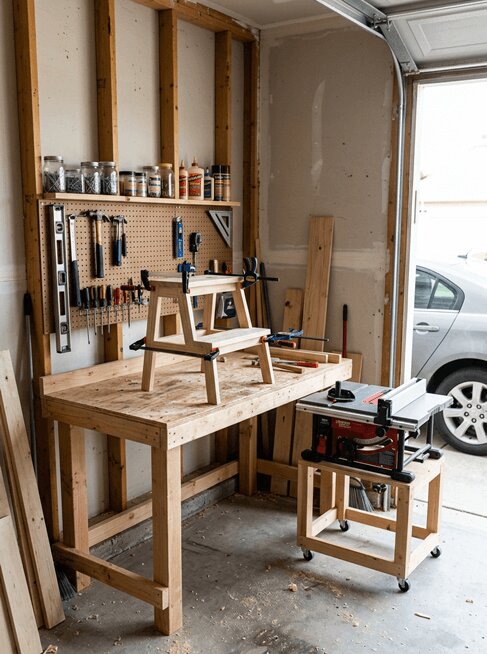
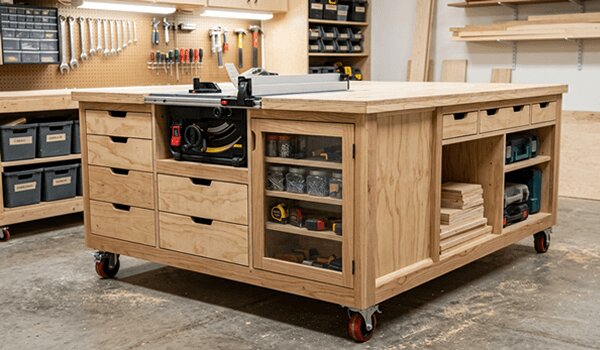
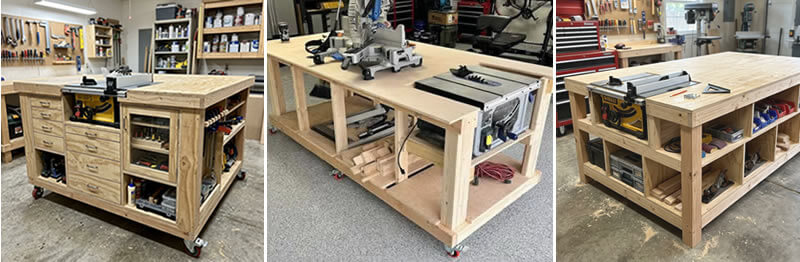
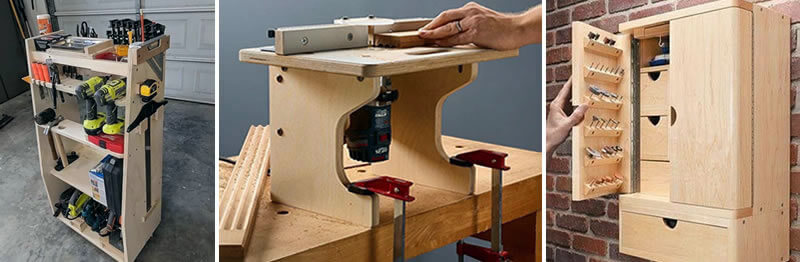
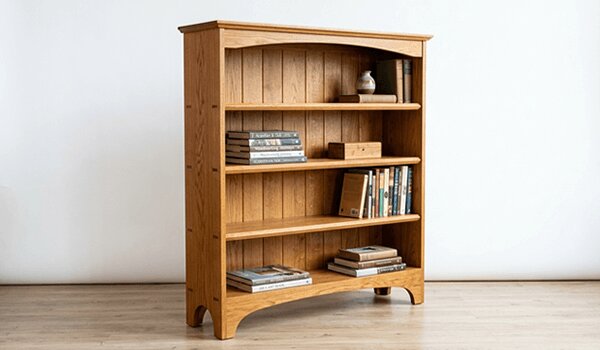
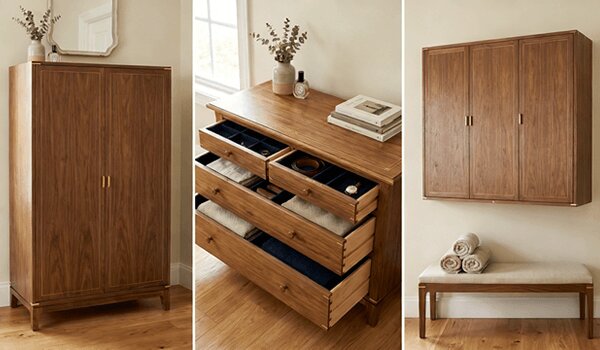
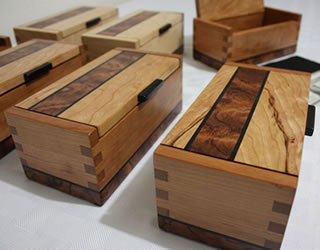
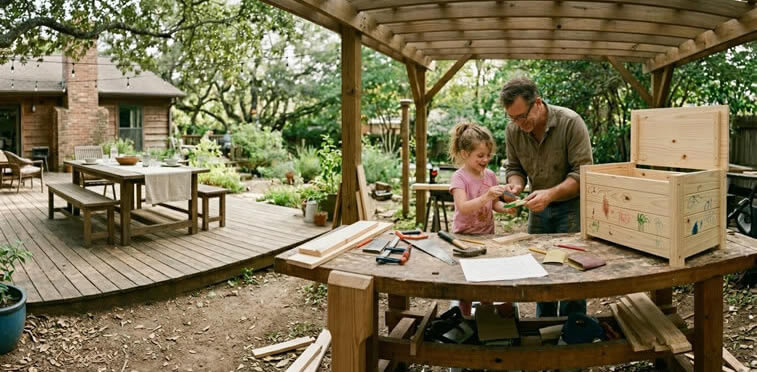
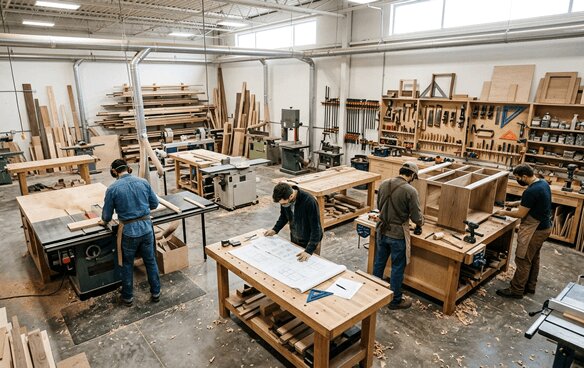
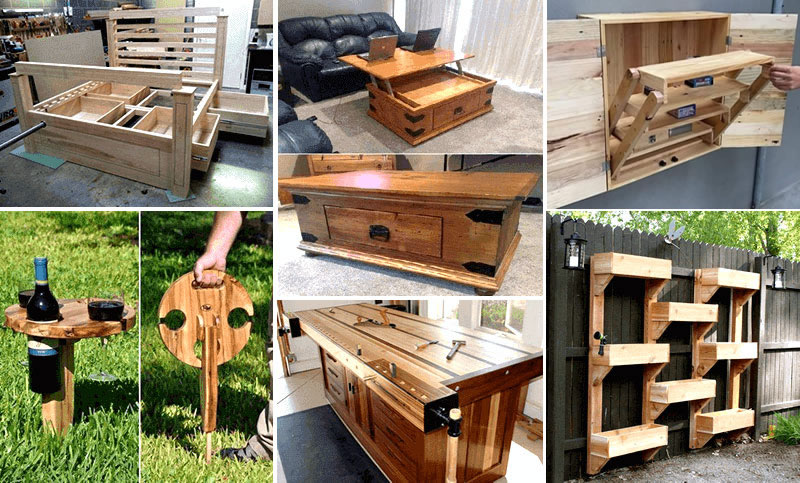
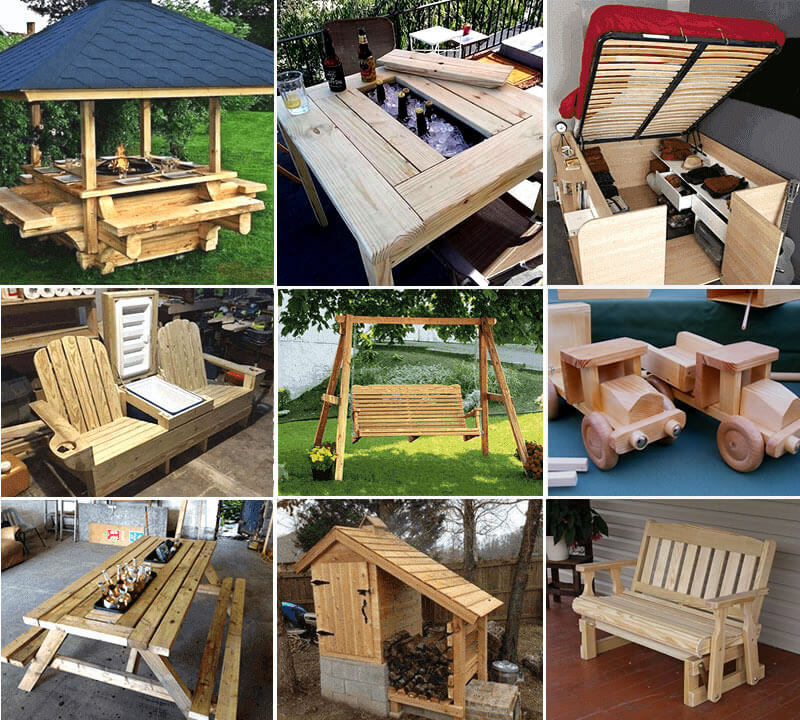
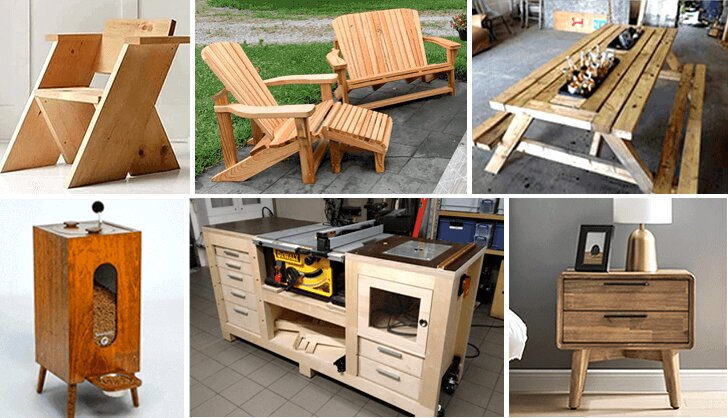
TedsWoodworking lists more than 2,150 plans in its Outdoor & Garden category, and every plan in the 16,000-plan library comes with step-by-step instructions, an exact cut list and a complete materials list — handy when one bed turns into four.
A look inside TedsWoodworking

FAQ
How deep should a raised garden bed be?
10 to 12 inches suits most vegetables. Go 18 to 24 inches if the soil below is poor or you want less bending.
What is the best wood for raised garden beds?
Cedar and redwood resist rot naturally. Ground-contact pressure-treated lumber lasts a long time; untreated pine has the lowest up-front cost but rots sooner.
How wide should a raised bed be?
No more than 4 feet if you can reach it from both sides, and 2 to 3 feet against a wall or fence.
How much soil does a 4×8 raised bed need?
About 32 cubic feet, or about 1.2 cubic yards, at 12 inches deep.
Next step
Mark a 4-by-8-foot rectangle in the sunniest part of the yard and watch how the light falls on it for a day before you buy lumber.
Based on standard raised-bed construction practice and common extension-service guidance on bed size, depth and lumber. Product details for TedsWoodworking are from the vendor’s published offer page as of September 29, 2026.