Disclosure: this article contains affiliate links. If you buy through them, we may earn a commission at no extra cost to you. How this works.
Short answer
Good porch swing plans give you three things: a seat sized for the people who will use it (4 to 6 feet long, about 20 inches deep), a back reclined a little past upright, and hanging hardware rated well beyond the weight of two adults. Build it from a rot-resistant wood like cedar, cypress or white oak, and hang it from a solid ceiling joist or a sturdy A-frame, never from the ceiling boards.
The woodworking is simple. The hanging is where you slow down and check every rating.
Porch swing and outdoor plans with exact cut lists
- 16,000 plans with step-by-step instructions, exact cut lists and materials lists
- Multi-angle drawings with exploded views of every joint
- Search by keyword or browse 100+ categories by difficulty
- New plans every month and a 60-day money-back guarantee
Pick the size first
Everything else in the plan follows from the length of the seat. Measure the spot, then choose the size that leaves room around it.
| Swing length | Seats | Good for |
|---|---|---|
| 4 ft | Two, snugly | Small porches and balconies with a strong beam |
| 5 ft | Two comfortably | The most common porch size |
| 6 ft | Three, or one stretched out | Deep porches and A-frame stands in the yard |
Make it comfortable
- Seat height: once hung, the front edge should sit about as high as a chair seat, roughly 17 to 19 inches off the floor.
- Back angle: a back that leans a little past upright is far more relaxing than a straight one. Most plans build the angle into the arm supports.
- Contoured seat: cutting a gentle curve into the seat supports, then laying the slats over it, makes a flat board feel like furniture.
- Slat gaps: leave about 1/4 inch between slats so rain drains and the wood dries.
Choose wood that lives outdoors
Cedar and cypress are light, stable and naturally resistant to rot, which is why they are the classic swing woods. White oak is heavier and very strong. Pressure-treated pine is the budget choice; let it dry before finishing. Whatever you pick, use stainless steel or hot-dipped galvanized screws, because plain steel stains the wood and rusts through.
Finish every face, including the ends of the slats, before assembly. Oil finishes are easy to renew each spring; the trade-offs are laid out in oil, varnish and film finishes.
Hang it safely
A swing loads its hardware harder than the people sitting on it, because every swing adds motion to their weight. Treat the hanging points as the most important part of the project.
- Hang from a solid ceiling joist or beam, never from the ceiling boards or trim alone.
- If the joists do not line up with the swing, fasten a 2×6 or larger block across two joists and hang from that.
- Use heavy-duty eye bolts or hangers made for swings, and check the load rating on each piece: hardware, chain or rope, and connectors.
- Leave enough room in front and behind for the full arc, so the swing never reaches a wall or a railing.
- Adjust the chains so the seat tilts back slightly; it keeps people from sliding forward.
No porch beam? Build a frame
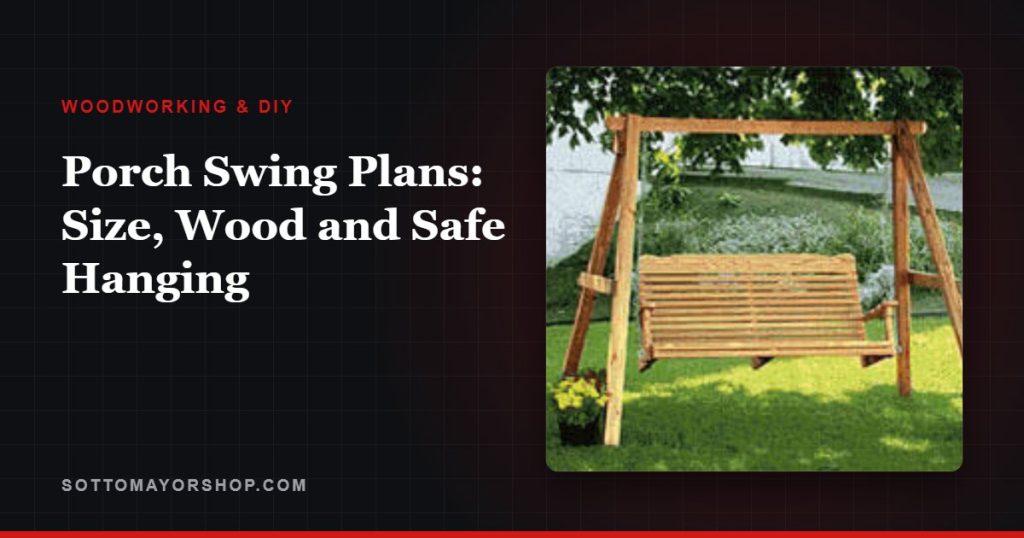
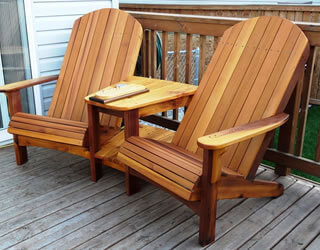
An A-frame stand lets you put the swing anywhere in the yard. The frame needs wide-set legs, a stout top beam and solid bracing where legs meet beam, and it should sit on level ground. It turns the swing into a garden feature, next to a garden bench or a pair of Adirondack chairs.
Build from a plan that shows every cut
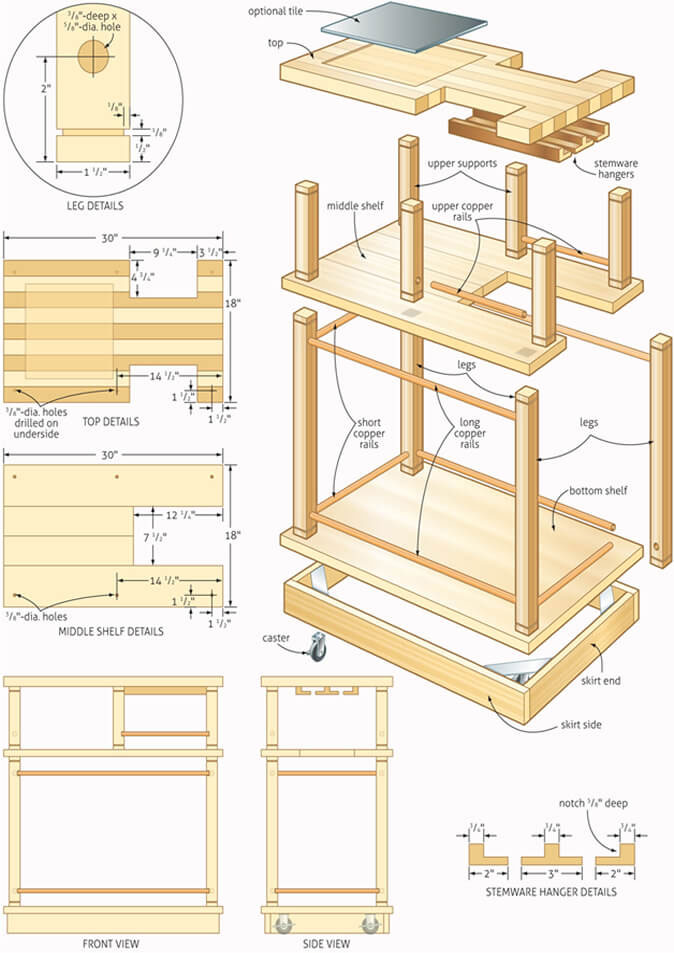
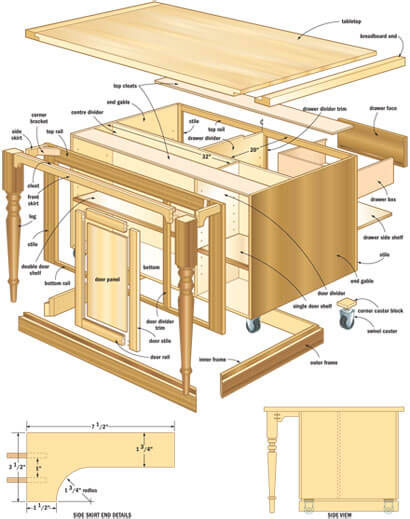
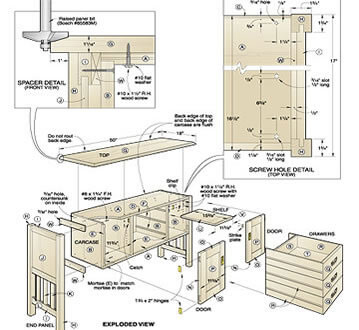
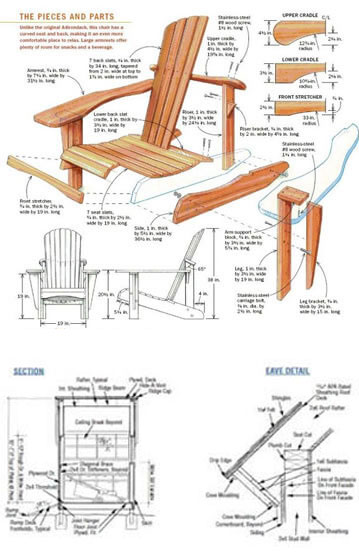
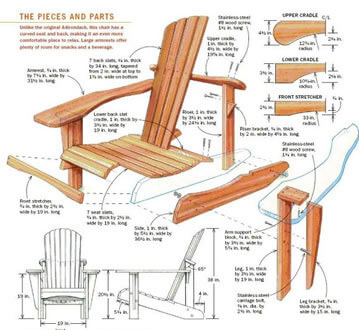
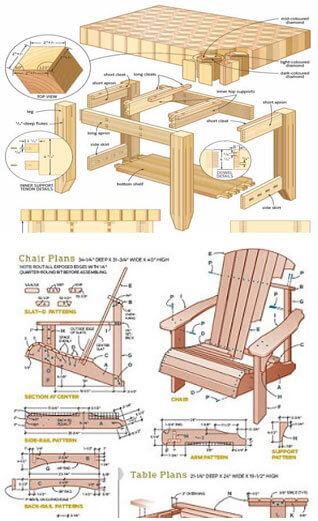
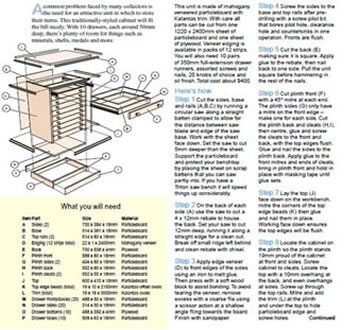
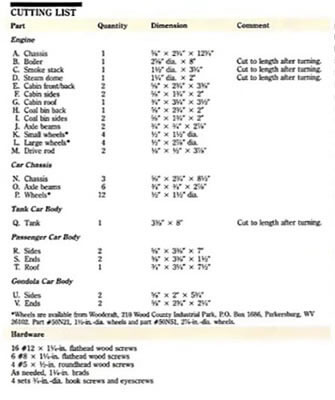
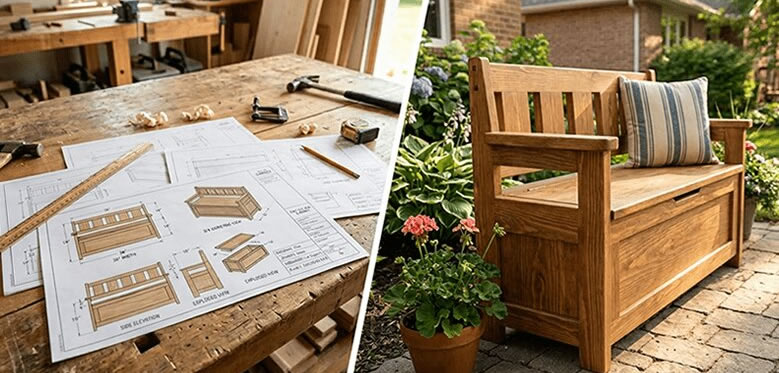
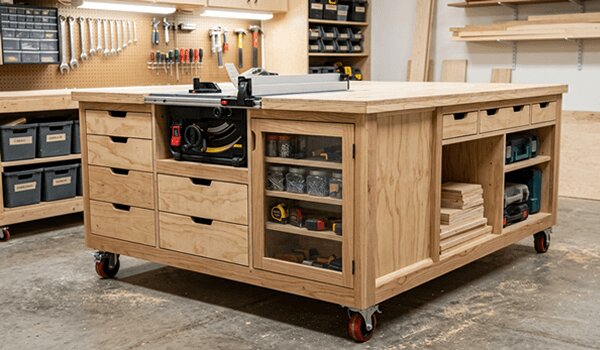
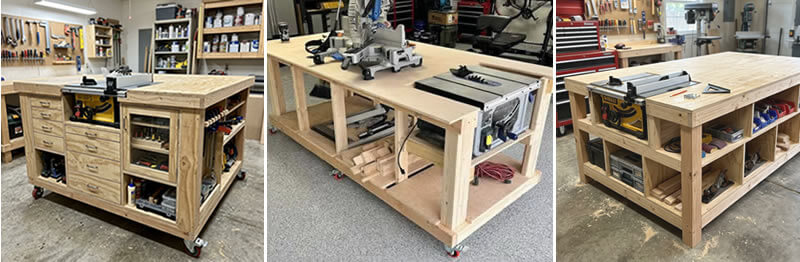
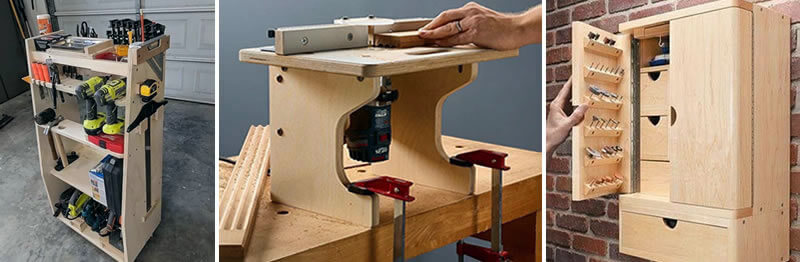
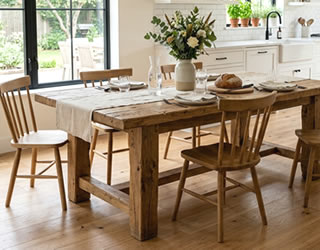
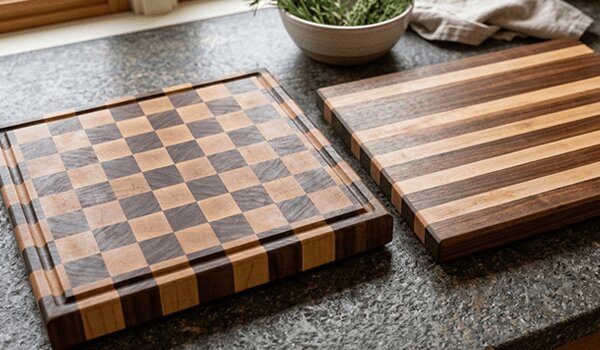
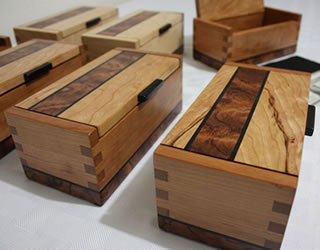
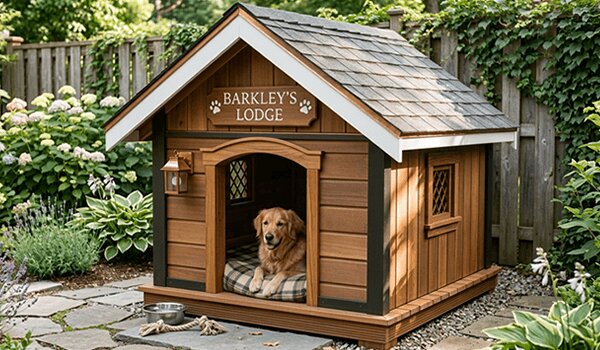
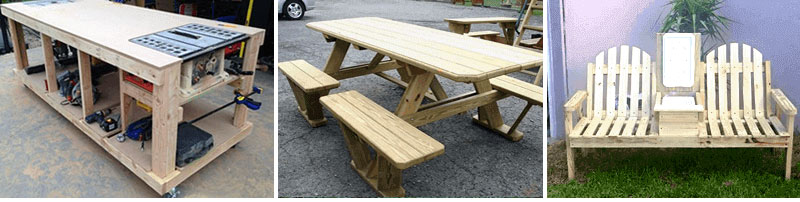
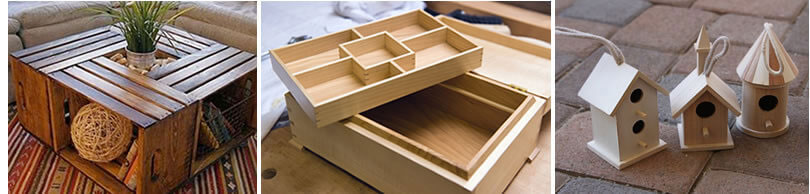
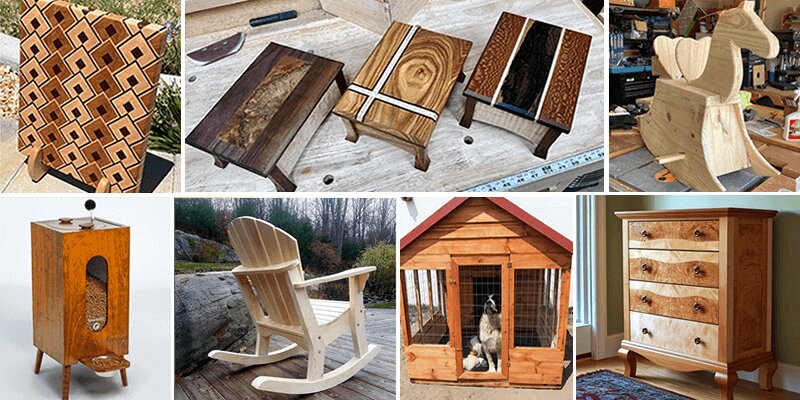
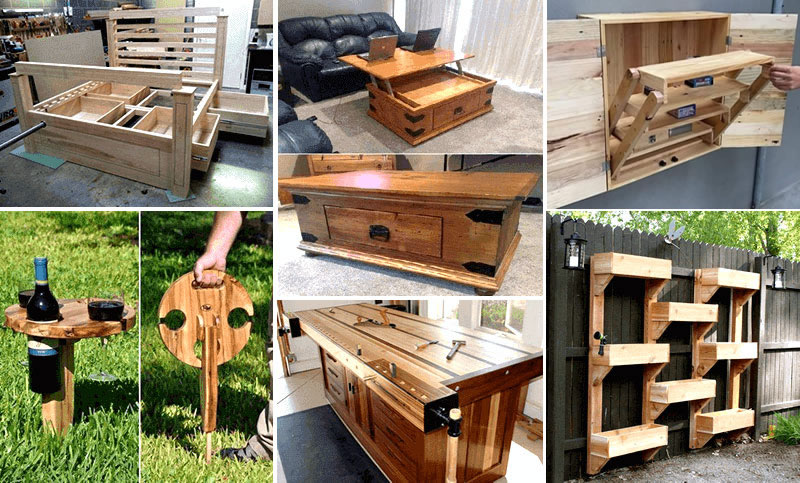
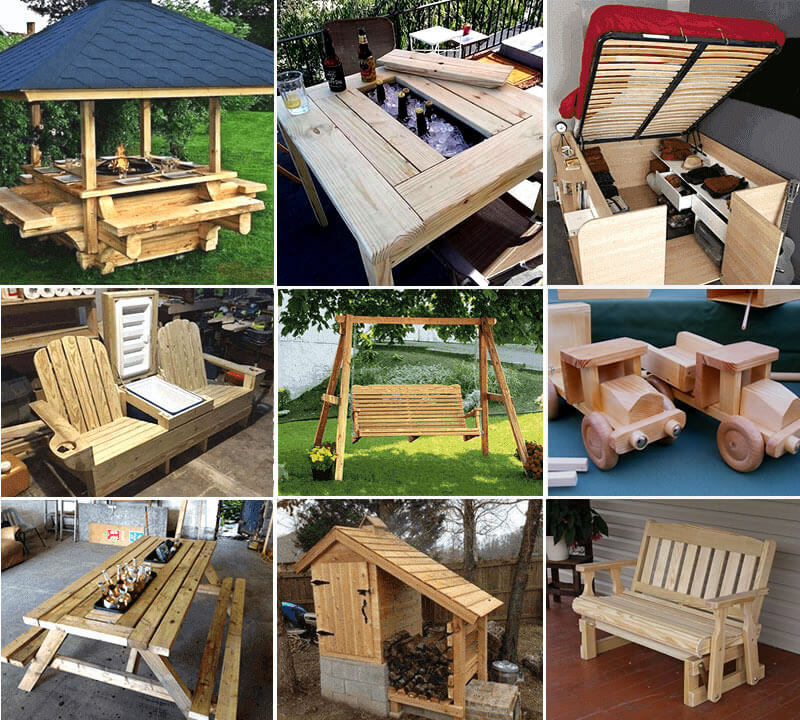
The TedsWoodworking sales page shows a porch swing on an A-frame stand among its example projects. Every plan in its 16,000-plan library comes with step-by-step instructions, exact cut lists and materials lists, so the curved seat supports and the arm angles are worked out before you pick up a saw.
A look inside TedsWoodworking









Who this project is for
- You have a covered porch with accessible ceiling joists and want a place to sit outside.
- You have built a bench or a table and want an outdoor project with a little more shaping.
- You want a yard feature: a swing on its own A-frame stand under a tree or beside the garden.
FAQ
How long should a porch swing be?
Five feet is the most common size and seats two adults comfortably. Four feet fits small porches; six feet seats three.
What is the best wood for a porch swing?
Cedar and cypress are the classic choices because they resist rot and stay light. White oak and pressure-treated pine also work.
How high should a porch swing hang?
Hang it so the front of the seat sits about at chair height, roughly 17 to 19 inches off the floor.
Can I hang a swing from my porch ceiling?
Only from a solid joist or beam, with hardware rated for the load. Ceiling boards and trim cannot carry a swing.
Next step
Before you buy lumber, find the joists above your porch with a stud finder and measure the space the swing needs to move.
Based on standard outdoor woodworking practice: seat dimensions, outdoor wood species, corrosion-resistant fasteners and load-rated hanging hardware. Product details for TedsWoodworking are from the vendor’s published sales page as of September 30, 2026.