Disclosure: this article contains affiliate links. If you buy through them, we may earn a commission at no extra cost to you. How this works.
Short answer
To build a coffee table, size it to your sofa first — about 16 to 18 inches high and roughly two-thirds of the sofa’s length — then build a leg-and-apron base, glue up a flat top, and attach the top with fasteners that let the wood move.
A coffee table is a great first furniture build: four legs, four aprons and a top teach the same joinery used in dining tables and desks.
Coffee table plans with every cut listed
- 16,000 plans with step-by-step instructions, exact cut lists and materials lists
- Multi-angle drawings with exploded views of every joint
- Search by keyword or browse 100+ categories by difficulty
- New plans every month and a 60-day money-back guarantee
Size it to your sofa
| Measurement | Rule of thumb | Why |
|---|---|---|
| Height | 16 to 18 in, about level with the sofa seat | Easy to reach from a seated position |
| Length | About two-thirds of the sofa’s length | Looks balanced and leaves room to walk around |
| Width | 18 to 24 in for most living rooms | Room for books and cups without crowding the space |
| Gap to the sofa | 14 to 18 in | Legroom, but still within reach |
Choose the wood
Hardwoods such as oak, walnut, cherry and maple stand up best to feet, mugs and board games. Pine and other softwoods cost less and paint well, but they dent easily — which some people like for a rustic look.
Buy the lumber a week before you start and let it sit in the room where you will build, so it settles to the moisture level of your home.
Build a strong base
- Legs: square legs 1 3/4 to 2 1/2 inches thick look right on most coffee tables; taper the two inside faces for a lighter look.
- Aprons: rails 3 to 4 inches tall join the legs just under the top and keep the table from racking.
- Joinery: mortise and tenon is the strongest; pocket screws and dowels are faster and plenty strong for a coffee table.
- Set the aprons back 1/8 to 1/4 inch from the leg faces. The small step hides tiny misalignments and looks deliberate.
- Glue the base up in two stages — first two leg-and-apron frames, then the pair joined with the remaining aprons — and check each stage for square by measuring the diagonals.
Glue up a flat top
Pick boards with straight grain and joint or plane the edges so they meet without gaps. Arrange them for the best color and grain match, draw a triangle across the joints so the order is not lost, and glue them in stages of two or three boards. The clamping routine is in wood glue and clamping basics.
Alternate the clamps above and below the panel, and use just enough pressure to close the joints. Too much squeezes out the glue and can bow the panel.
Let the top move
A solid-wood top expands and shrinks across its width with the seasons, and screwing it tight to the aprons can split it. Attach it with tabletop fasteners — metal Z-clips in a saw kerf, figure-8 fasteners or wooden buttons — which hold it down while letting it move. Why this matters is covered in wood movement and cracked joints.
Add a lower shelf
A slatted or solid shelf a few inches off the floor doubles the storage for books and baskets. Rest it on cleats screwed to the inside of the legs, or on a pair of low stretchers, and leave small gaps between the slats so they can move too.
Finish for real life
A coffee table takes hot mugs, wet glasses and feet. A film finish such as wipe-on polyurethane gives the most protection against rings; a hardwax oil is easier to repair when it does get marked. The differences are explained in wood finishes: oil, varnish and film.
Finish the underside as well as the top, so both faces take on and lose moisture at the same rate.
Build it from a complete plan
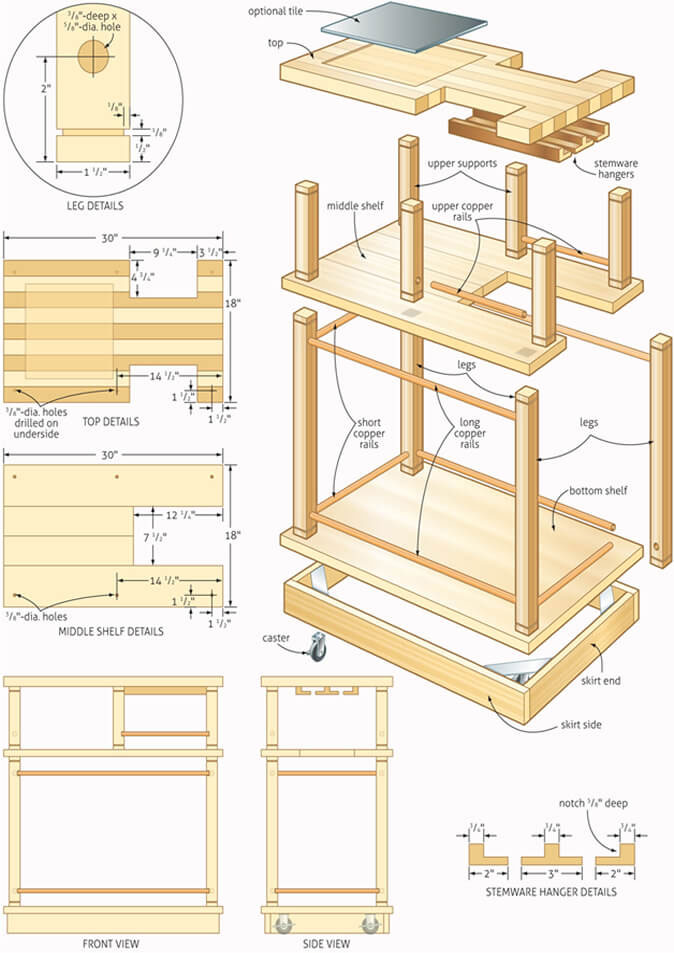
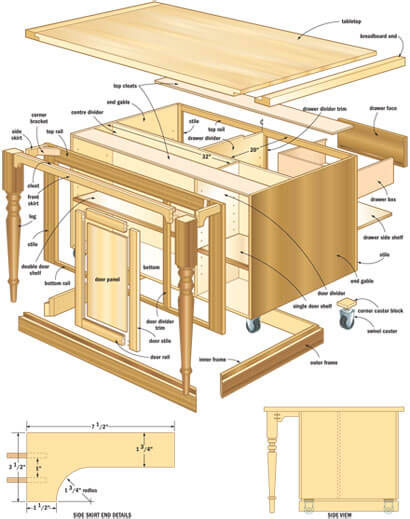
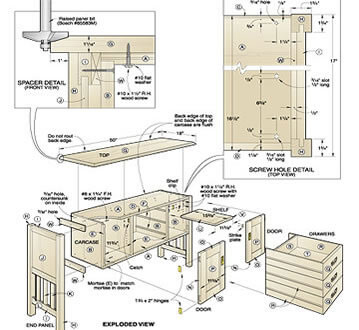
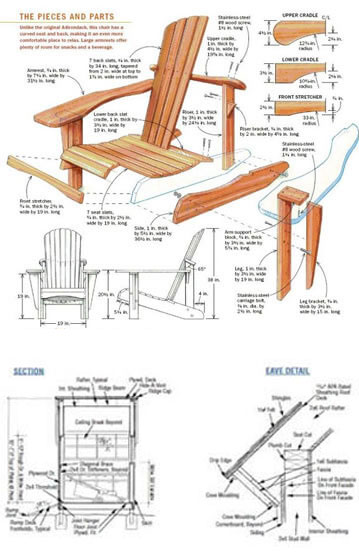
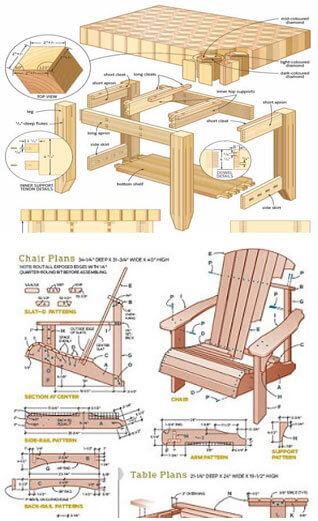
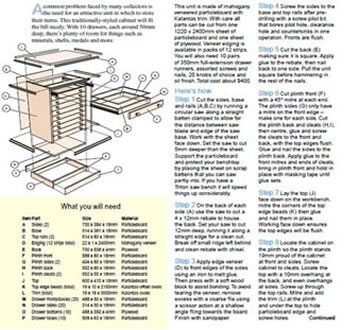
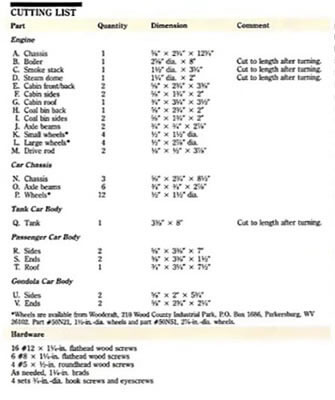
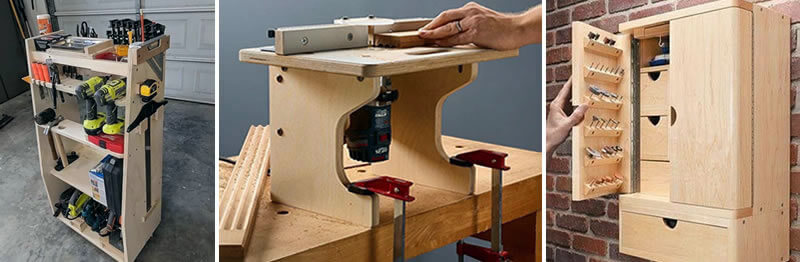
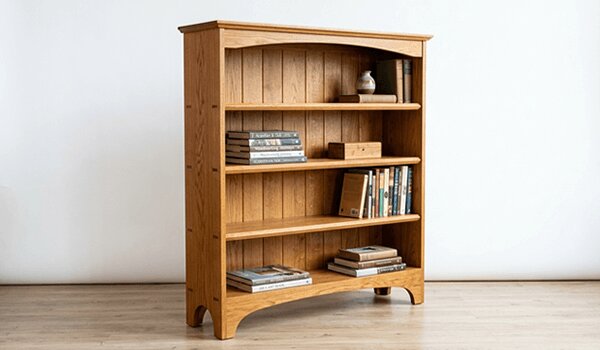
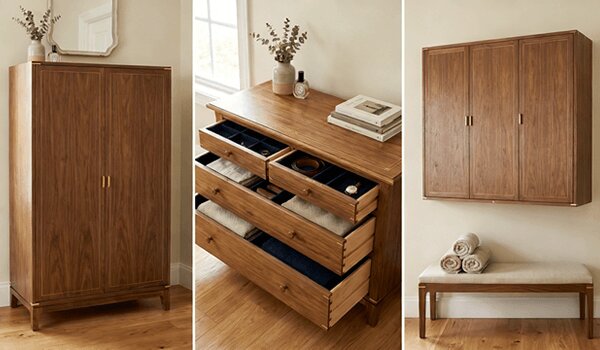
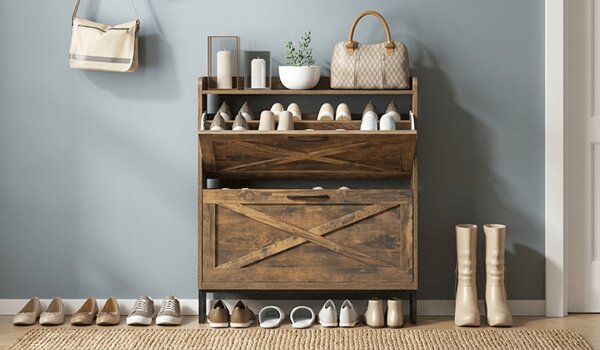
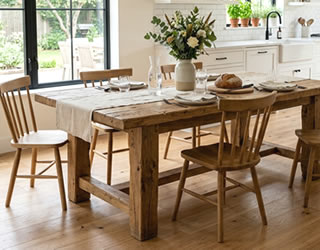
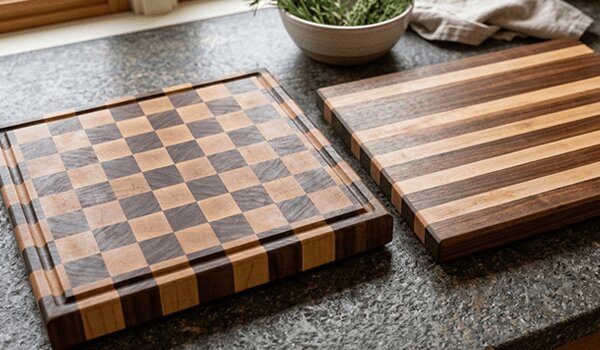
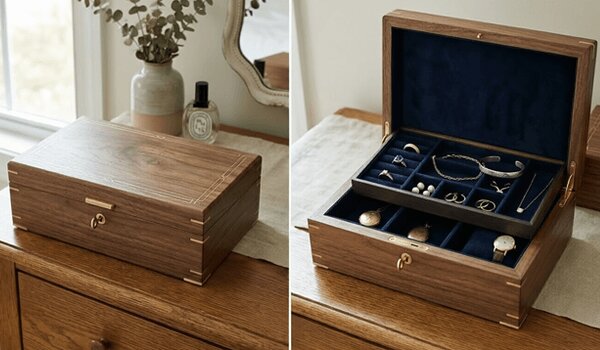
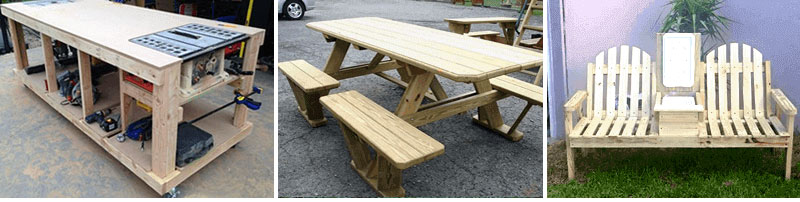
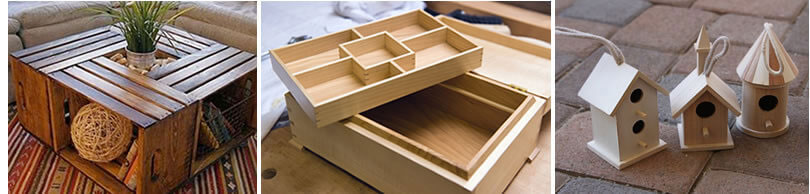
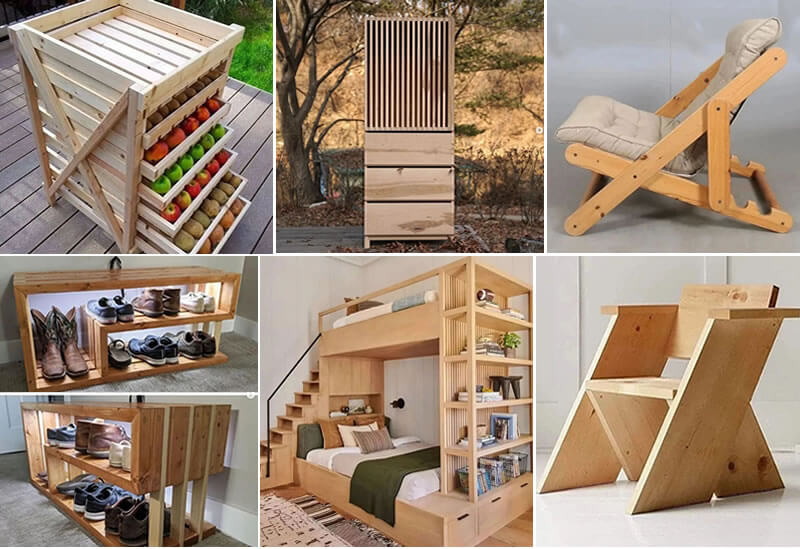
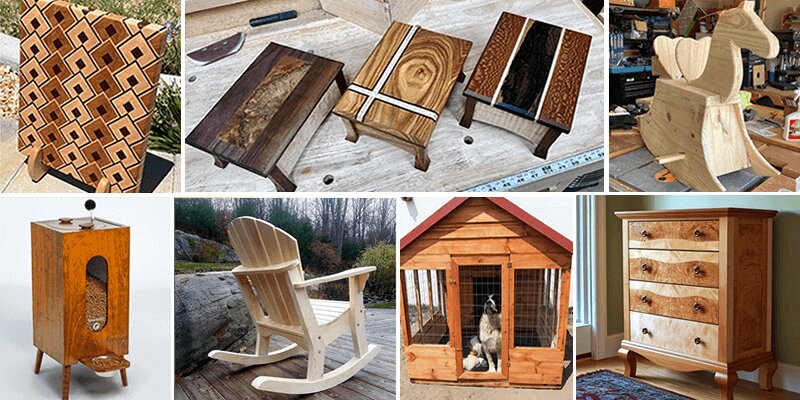
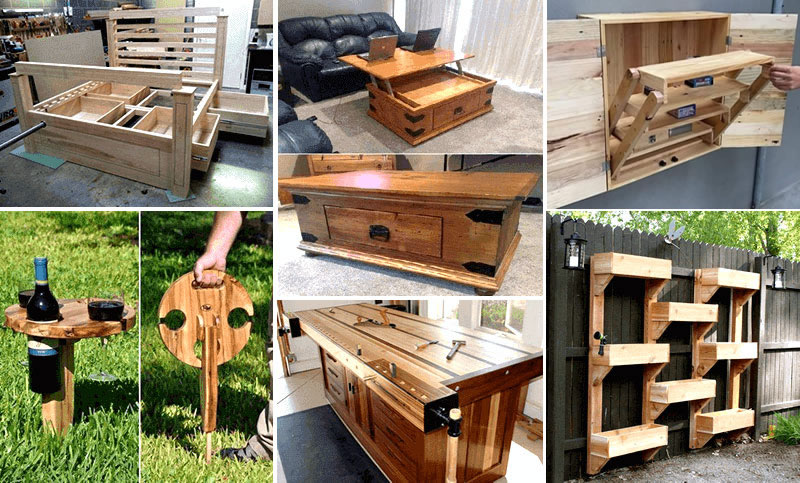
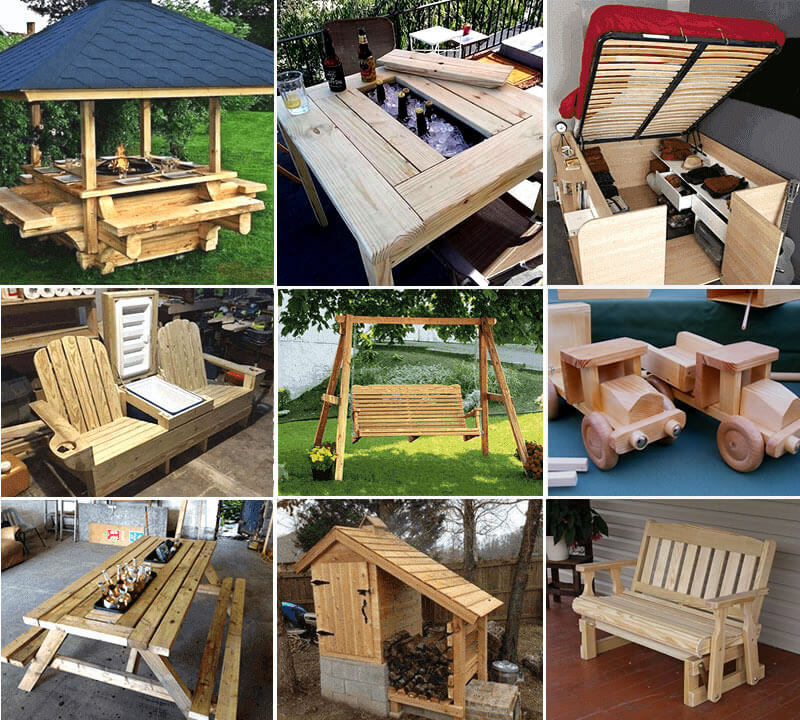
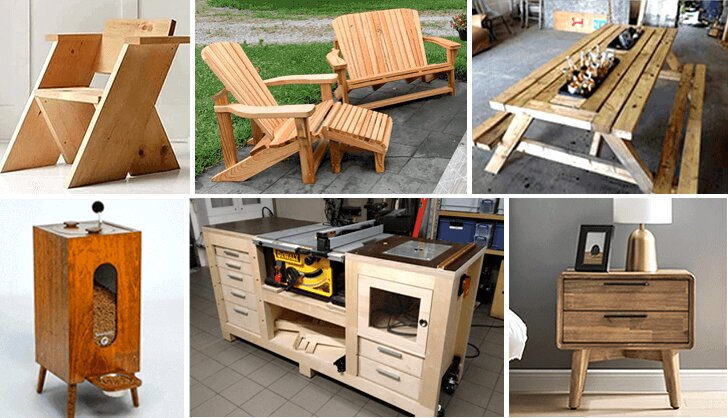
TedsWoodworking lists coffee tables among the furniture it covers, in a Furniture category of more than 2,650 plans. Every plan in the 16,000-plan library includes step-by-step instructions, exact cut lists, complete materials lists and multi-angle schematics with exploded views of every joint.
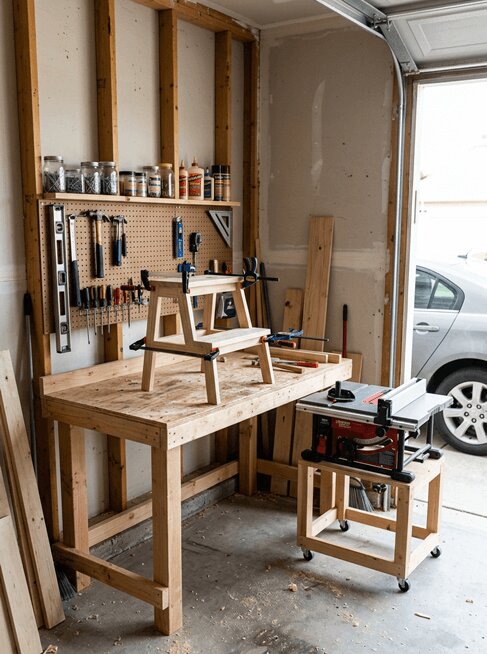
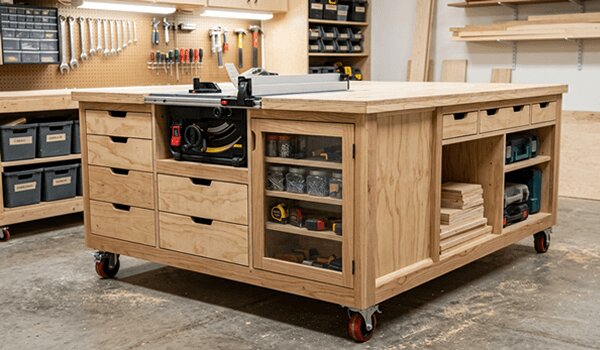
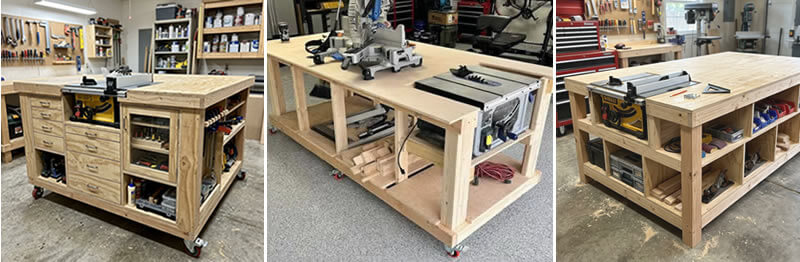
A look inside TedsWoodworking

FAQ
How tall should a coffee table be?
Usually 16 to 18 inches, about level with the sofa seat or an inch or two lower.
What is the best wood for a coffee table?
Oak, walnut, cherry and maple resist dents and wear best. Pine is fine for a painted or rustic table.
How do you attach a coffee table top?
With tabletop fasteners such as Z-clips, figure-8 fasteners or wooden buttons, so the top can expand and shrink without cracking.
How long does it take to build a coffee table?
A simple leg-and-apron table is often a two-weekend project, including glue-up and finishing time.
Next step
Measure your sofa’s seat height and length tonight and tape the table’s outline on the floor.
Based on standard furniture-making practice for leg-and-apron tables, panel glue-ups and wood movement, and common living-room design guidelines. Product details for TedsWoodworking are from the vendor’s published offer page as of September 29, 2026.