Disclosure: this article contains affiliate links. If you buy through them, we may earn a commission at no extra cost to you. How this works.
Short answer
A first plywood boat is a realistic winter project: roughly 60 to 100 hours for a stitch-and-glue kayak or small dinghy, and a material bill that usually lands between $400 and $900 depending on the plywood and the epoxy.
The build is not difficult. What catches people out is epoxy discipline, shop temperature, and starting before the plan has been read end to end.
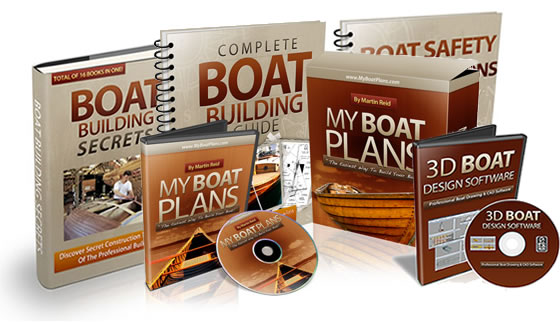
Pick your first boat from 518 plans
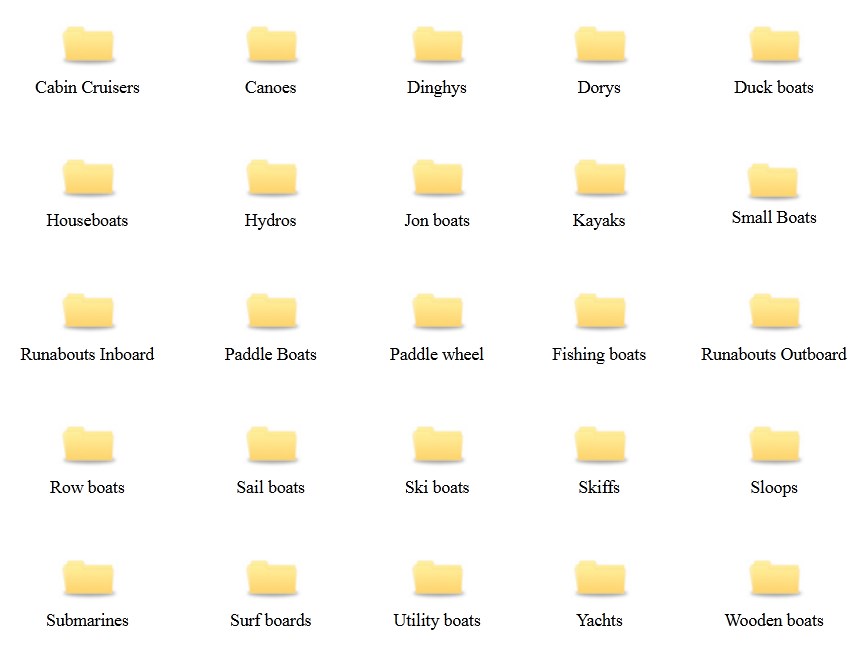
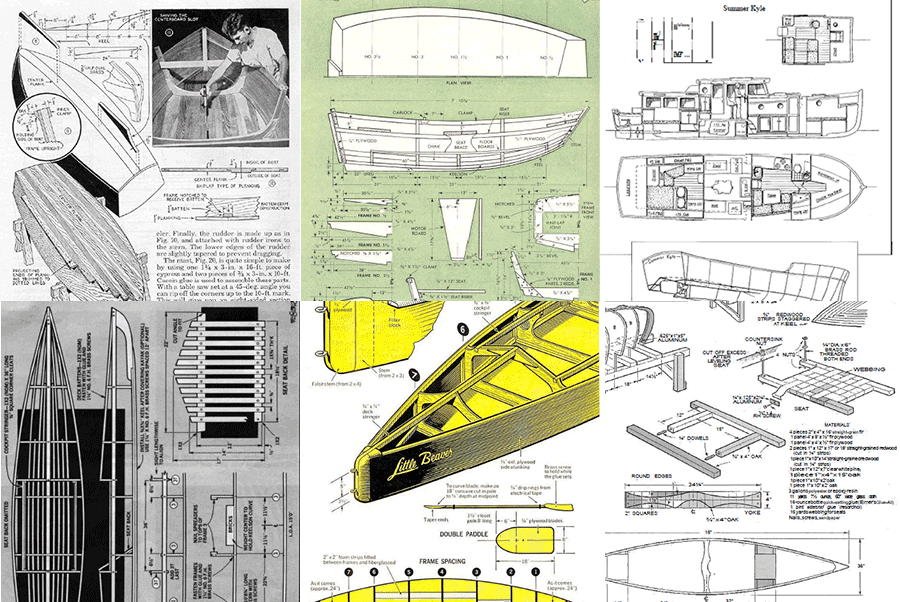
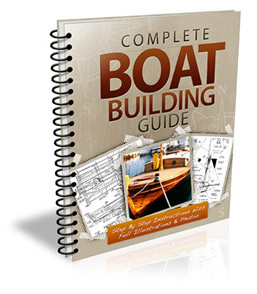
- 518 boat plans with step-by-step instructions, cutting patterns and materials lists
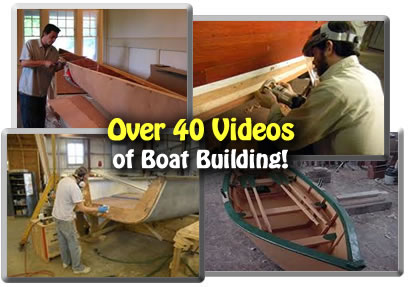
- 40+ boat building videos, over 10 hours
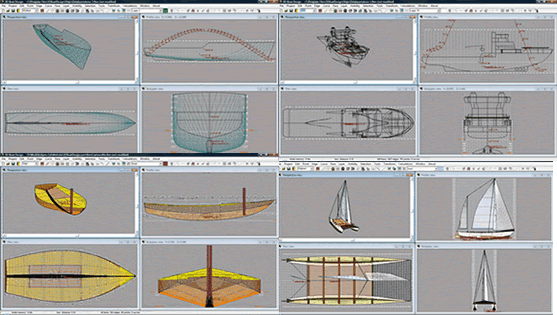
- 3D boat design software and a 600-page boat builder’s guide included
- Instant access and a 60-day money-back guarantee
The hours, honestly
Whatever the number, budget more calendar than hours. Half of boat building is waiting for something to go off before you can touch the next step.
| Boat | Typical length | First-build hours | Calendar time |
|---|---|---|---|
| Stitch-and-glue kayak | 14–17 ft | 60–100 | A winter of weekends |
| Small dinghy or pram | 8–10 ft | 60–90 | Six to ten weekends |
| Flat-bottom skiff | 12–16 ft | 100–150 | A season |
| Strip canoe | 15–17 ft | 150–250 | Most of a year, part time |
Where the money goes
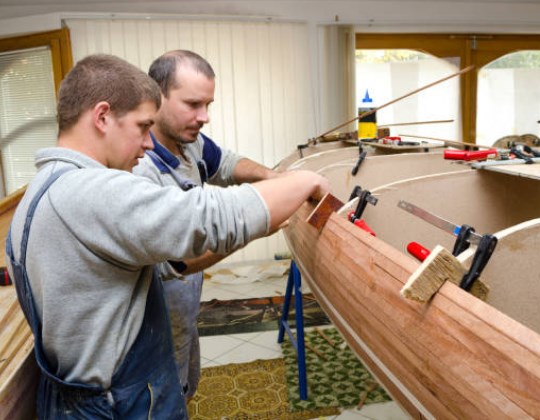
Plywood is the headline but rarely the biggest line. On a small stitch-and-glue boat, epoxy, hardener, fillers and glass tape often cost as much as the wood, and sometimes more.
Rough shape of a first-boat bill: four to six sheets of marine or good exterior plywood, a gallon-plus epoxy kit with pumps, glass tape for the seams, wood flour and silica as fillers, plus sandpaper in quantities that will surprise you.
Buy the epoxy as a system — resin, hardener and fillers from the same maker, with metering pumps. Mixing brands or eyeballing ratios is the single most common way a first boat ends up sticky forever.
The tools you actually need
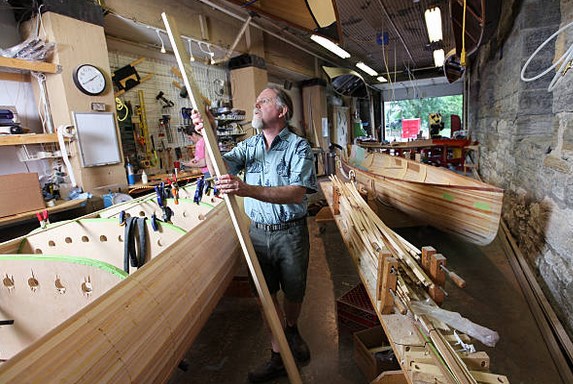
No table saw, no planer, no jointer. That is the point of plywood construction, and it is why it fits in the shop described in our small workshop layout guide with the car still in it half the time.
- A jigsaw or circular saw with a fine blade, for cutting panels.
- A block plane and a random orbit sander.
- A drill, for the stitch holes.
- A long batten — a straight, thin strip — for drawing fair curves. Nothing replaces it.
- Mixing pots, gloves, a respirator for sanding, and disposable brushes by the box.
- Clamps, spring clamps, and more clamps.
The five things that go wrong
1. Epoxy in a cold shop. Most epoxies want somewhere around 60 °F and up to cure properly. Below that, the cure stalls and the surface stays tacky. Heat the shop, or heat the boat with a tent and a lamp, before you mix.
2. Mixing by eye. Use pumps or a scale. Off-ratio epoxy does not just cure slower, it may never reach full strength.
3. Amine blush left on. Many epoxies leave a waxy film as they cure. Wash it off with water and a scrubby pad before sanding or recoating, or the next layer will not stick.
4. Sanding through the glass. Fairing feels productive until you cut through the weave at a chine. Mark the edges with a pencil and stop when the marks disappear.
5. Starting before reading. Read the entire plan first. Boat plans are written in a sequence, and step 14 often explains why step 3 was done that way.
Wood movement still applies
Plywood is dimensionally stable across its face, which is exactly why it is used here — but the solid timber in a boat is not. Gunwales, stems, seat frames and trim all move with humidity, and a boat lives in wetter conditions than furniture ever does.
Encapsulate solid parts in epoxy where the plan says to, and do not trap a solid piece rigidly between two fixed points. The same logic as wood movement in furniture, with water added.
It also means the boat wants to be stored out of the rain and off the ground, not under a tarp that holds moisture against the hull.
Choosing the plan
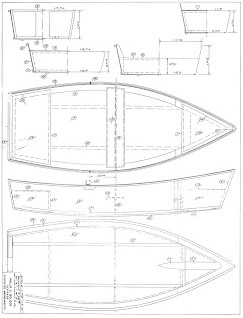
A good plan for a first boat has full-size panel patterns or clear offsets, a bill of materials, a step-by-step build order and photographs of the awkward parts. A bad plan has a pretty drawing and leaves the rest to you.
It is worth reading the build sequence before you commit, because the sequence is the part you cannot invent. If a plan does not tell you what order to do things in, it is a drawing rather than a plan.
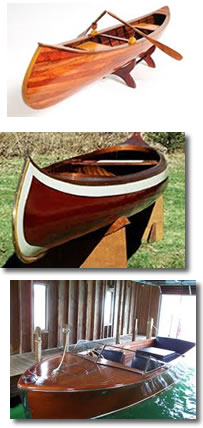
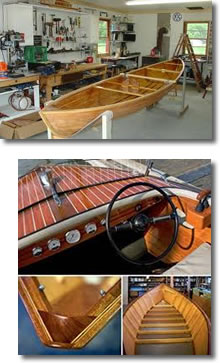
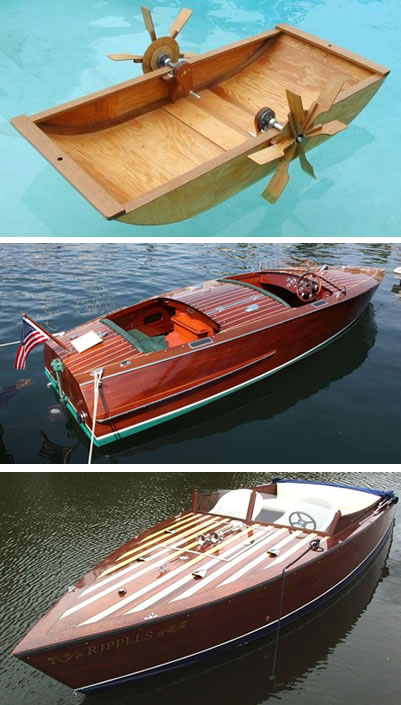
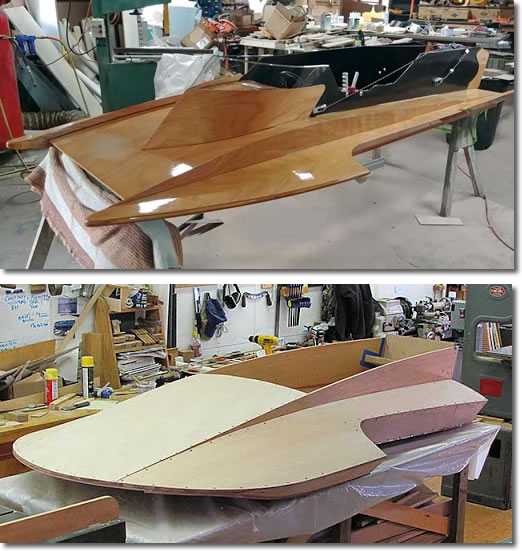
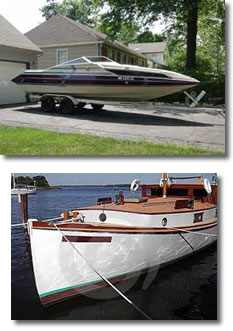
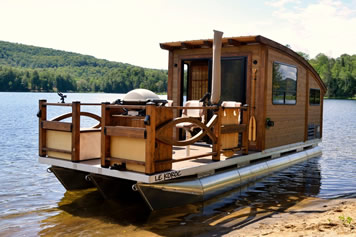
If you want to start from a proven set, MyBoatPlans ticks those boxes: 518 illustrated, step-by-step plans with schematics, cutting patterns and material lists, including a small plywood kayak and a 15-foot plywood canoe, plus more than 40 how-to videos from master boat builder Martin Reid.
Whichever you choose, write your own cut list from it before buying sheets — the method in reading a cut list applies directly, and plywood is expensive enough to be worth the hour.
What the first boat gives you
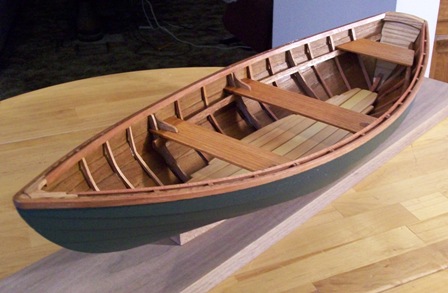
Beyond the boat: you will have learned to fair a curve by eye, to mix and use epoxy, to sheathe a surface in glass, and to work to a shape rather than to a number. Those skills transfer to every other build you ever do.
And a small plywood boat that is well built and well stored lasts decades. It is one of the few woodworking projects where the finished object outlives the enthusiasm that started it.
Start with something you will actually use. A kayak you paddle every summer beats a beautiful dinghy that never leaves the garage.
A look inside MyBoatPlans






FAQ
Do I need boat building experience?
No, for stitch and glue. The plan supplies the shape and the sequence; you supply patience with epoxy and a willingness to read ahead.
What plywood should I use?
Marine plywood for anything that stays afloat or lives outside. Good exterior-grade ply with no voids can work for a boat stored dry, and costs less.
Is fibreglass hard to work with?
Tape on seams is straightforward. Sheathing a whole hull takes planning, because epoxy sets on a clock and you cannot pause halfway.
How much space do I need?
The boat’s length plus about three feet, and room to walk both sides. Check the door before you check the floor.
Next step
Pick the boat, read the whole plan before you buy anything, and check that your shop can hold 60 °F for the weekend you plan to mix epoxy.
Based on standard stitch-and-glue and plywood boat construction practice, on published epoxy manufacturer guidance for mix ratios, cure temperature and amine blush, and on typical build hours reported for small craft. Product details for MyBoatPlans are from the author’s published sales page as of September 28, 2026.