Disclosure: this article contains affiliate links. If you buy through them, we may earn a commission at no extra cost to you. How this works.
Short answer
A woodworking cut list is the part of a plan that turns a drawing into a shopping trip: every piece, its finished size, how many of them, and which board it comes out of.
Read it in this order — finished sizes first, then board feet, then the cutting diagram — and add an allowance for the saw kerf and for milling. Do that and you come home with the right lumber the first time.
16,000 plans, each with an exact cut list
- 16,000 plans with step-by-step instructions, exact cut lists and materials lists
- Multi-angle drawings with exploded views of every joint
- Search by keyword or browse 100+ categories by difficulty
- New plans every month and a 60-day money-back guarantee
The three lists a complete plan gives you
People use “cut list” loosely, but a finished plan usually contains three separate things, and each one answers a different question.
| List | What it answers | When you use it |
|---|---|---|
| Materials list | What to buy: board sizes, sheet goods, hardware, finish | At the lumber yard |
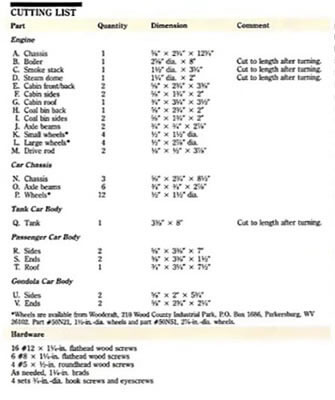
| Cut list | What each part is: finished length, width, thickness, quantity | At the saw |
| Cutting diagram | How the parts are laid out on each board or sheet | Before the first cut |
Nominal size is not actual size
A 2 × 4 is not two inches by four inches. In softwood, nominal 2 × 4 lumber measures about 1-1/2 × 3-1/2 in (38 × 89 mm) after milling and drying. A 1 × 6 is about 3/4 × 5-1/2 in.
Hardwood is sold differently: by the board foot, in quarters of an inch of rough thickness. 4/4 stock is one inch rough and lands near 13/16 in after surfacing, which is why a plan that calls for 3/4 in parts starts from 4/4 boards.
This single mismatch is behind most of the joints that do not close. When a cut list says 3/4 in, it means the finished part, not the label on the rack.
Add the allowances before you buy
Write the allowance into the shopping list, not in your head. The lumber yard is the wrong place to do arithmetic.
- Kerf: a standard table saw blade removes about 1/8 in (3 mm) per cut. Ten crosscuts in one board is more than an inch gone.
- Milling: if you flatten and thickness rough stock, plan on losing 1/8 to 1/4 in of thickness and a few inches of length to snipe and checks.
- Defects: knots, splits and wane. On construction lumber, buying 10 to 15% extra is normal; on wide hardwood boards, more.
- Grain matching: if the piece has visible panels, buy enough from the same board to keep color and figure consistent.
Cut long parts first
Work from the cutting diagram in order of size: the longest and widest parts come out of the board first, and the small parts come out of what is left. Reverse that order and the last long piece will be two inches short.
Label every part as it comes off the saw — a pencil mark on the face that will not be visible — and stack parts by their role, not by their size. When you assemble, you will be looking for “left side”, not for “18-1/4 inches”.
A quick worked example
Say the cut list calls for four legs at 1-1/2 × 1-1/2 × 28 in and you are using nominal 2 × 2 stock, which actually measures 1-1/2 in square. Four legs at 28 in is 112 in of length. Add three kerfs at 1/8 in and a few inches of trim at each end of the board, and you need a 10 ft piece, not an 8 ft one.
That is the whole discipline: finished size, plus kerf, plus trim, plus a defect margin. Run it for each part before you leave the house.
Where to find plans that include all three lists
Plenty of free plans online give you a drawing and leave the rest to you. If you would rather have the materials list, the cut list and the cutting diagram in the same file, that is exactly what a full plan library gives you — see what is included in the 16,000-plan library.
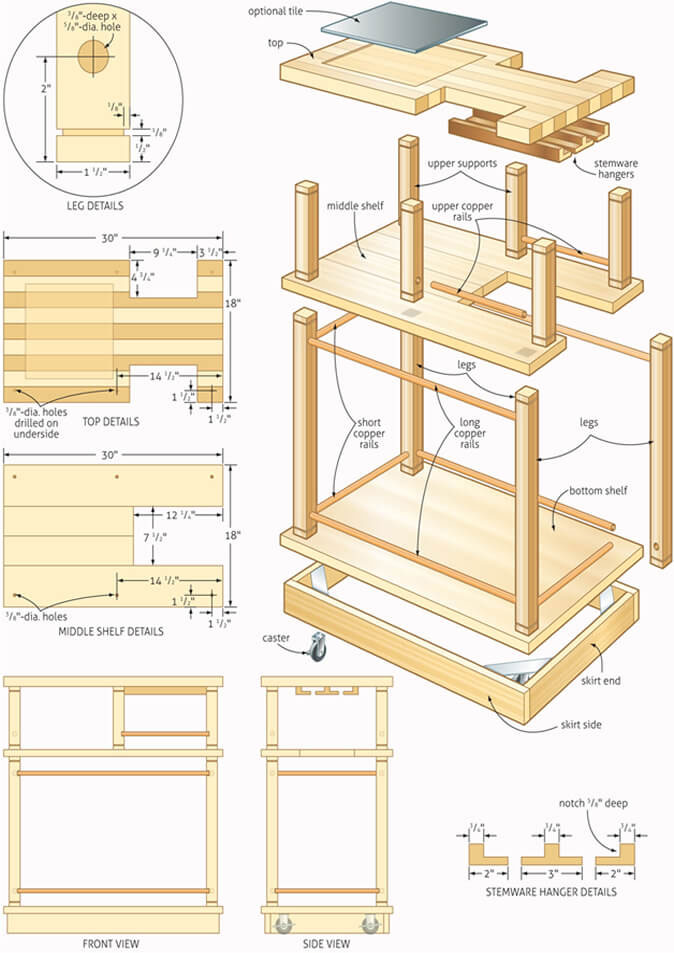
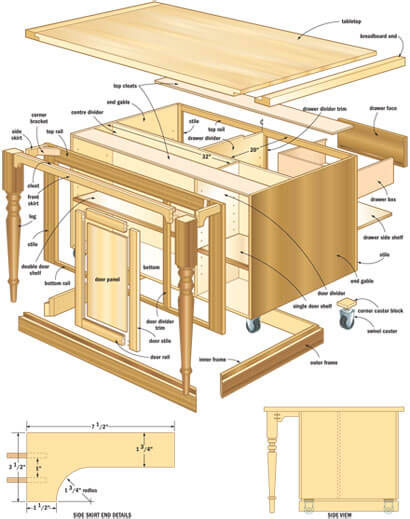
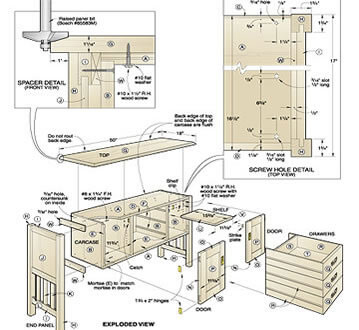
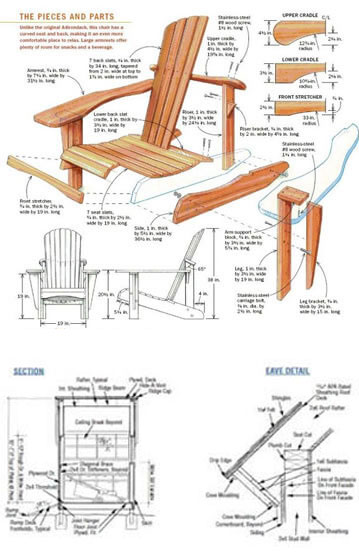
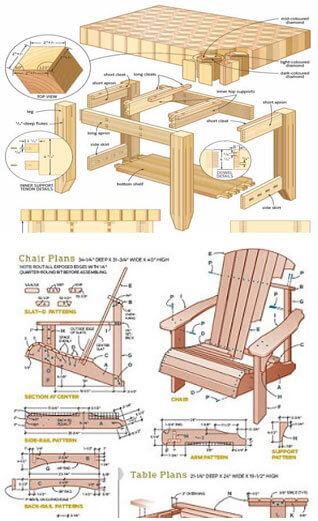
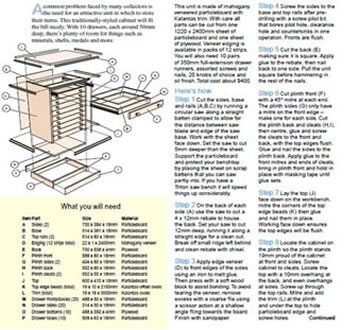
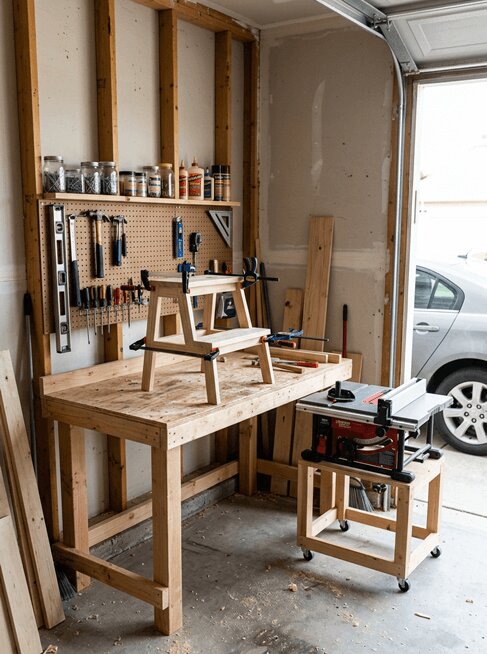
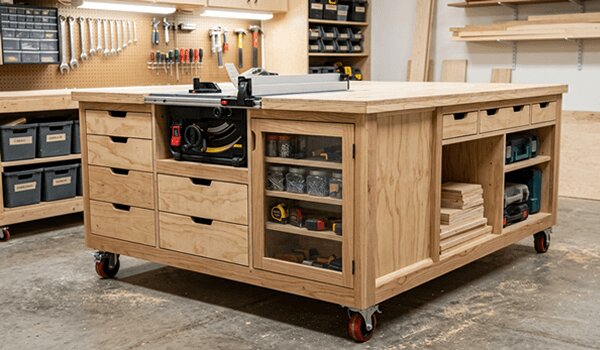
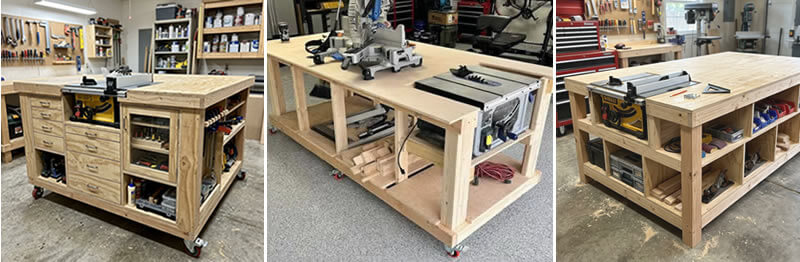
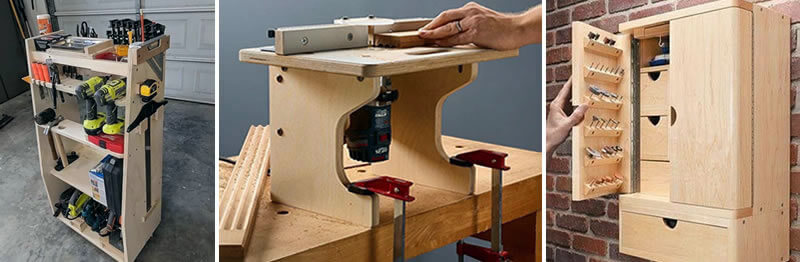
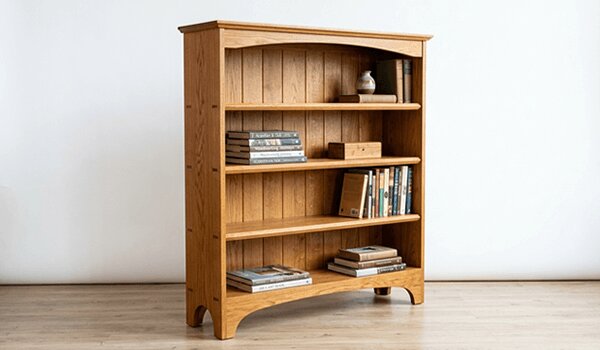
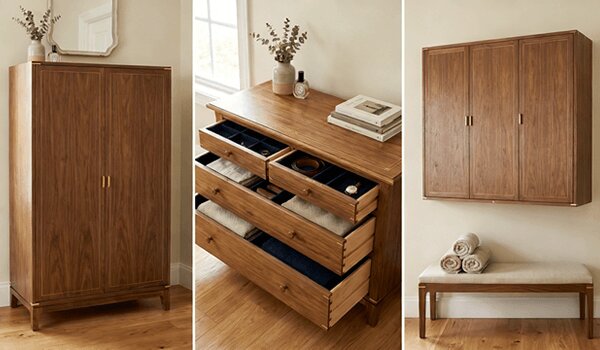
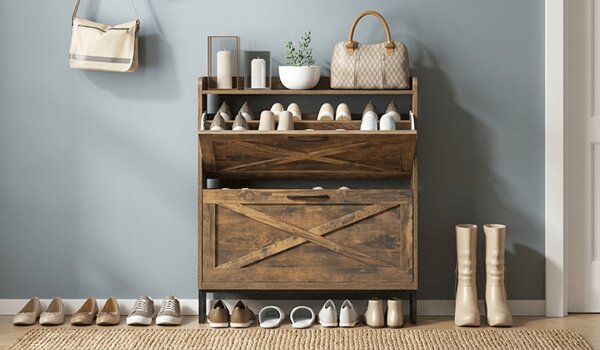
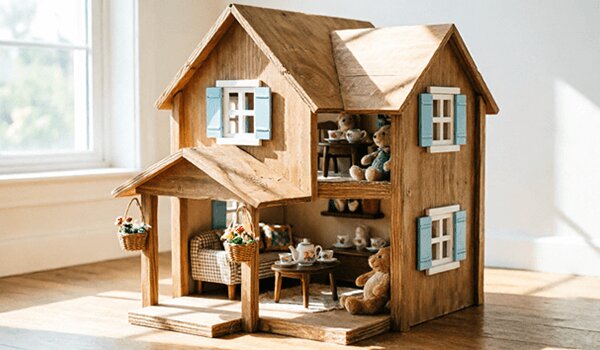
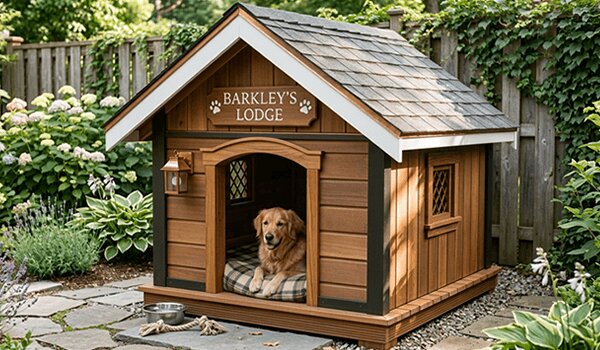
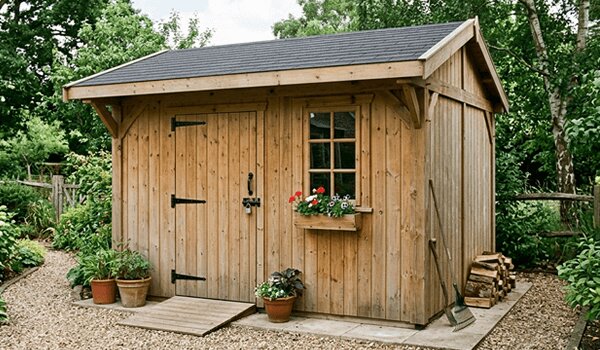
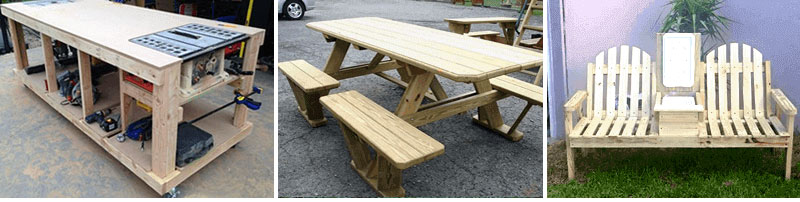
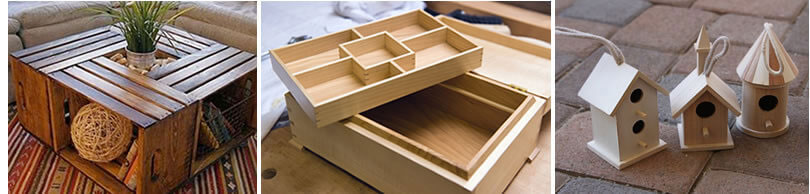
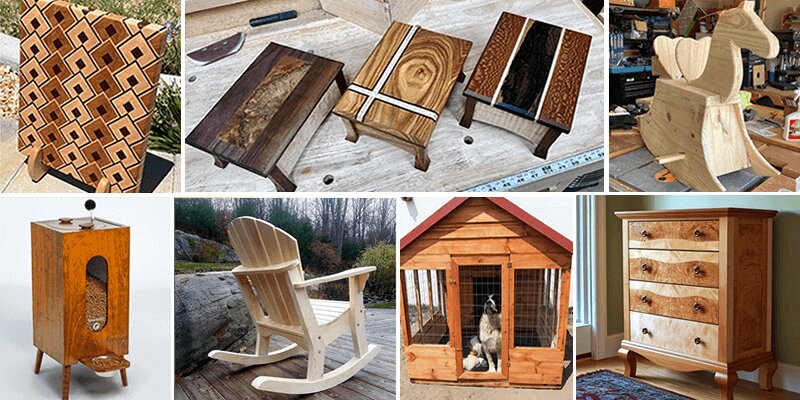
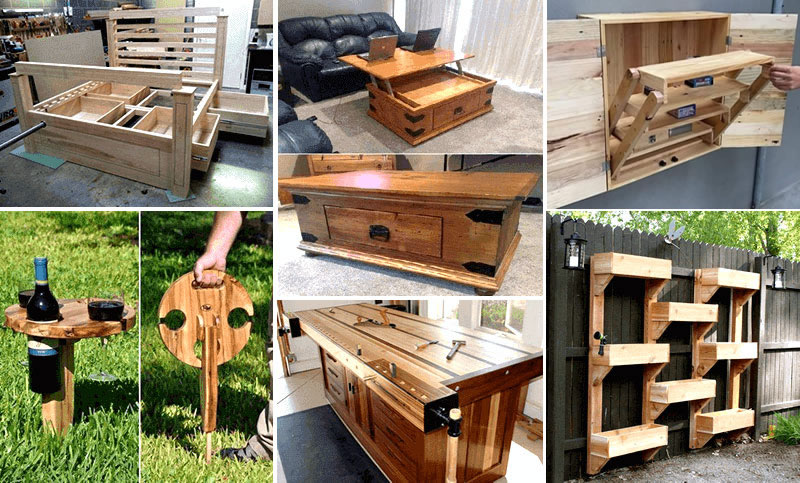
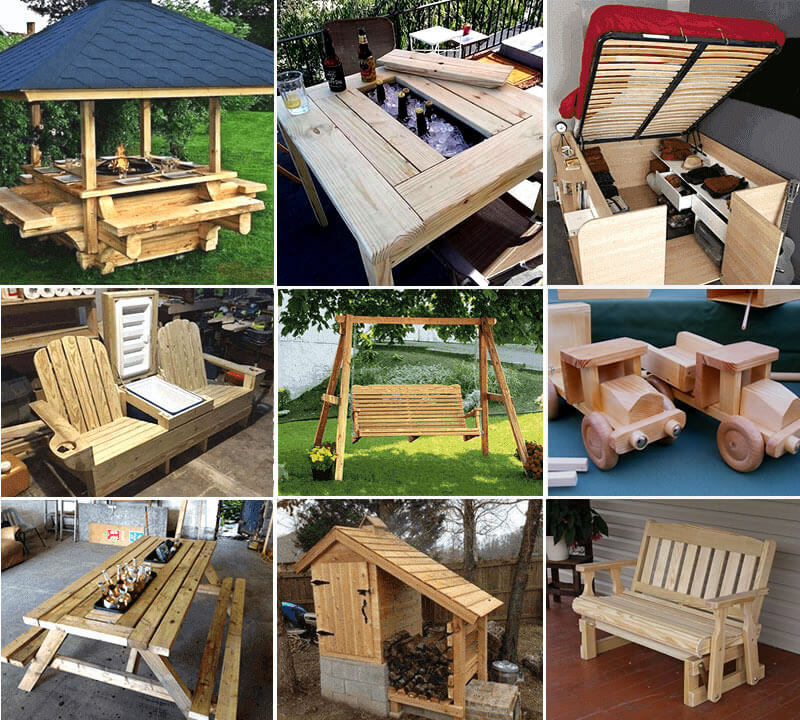
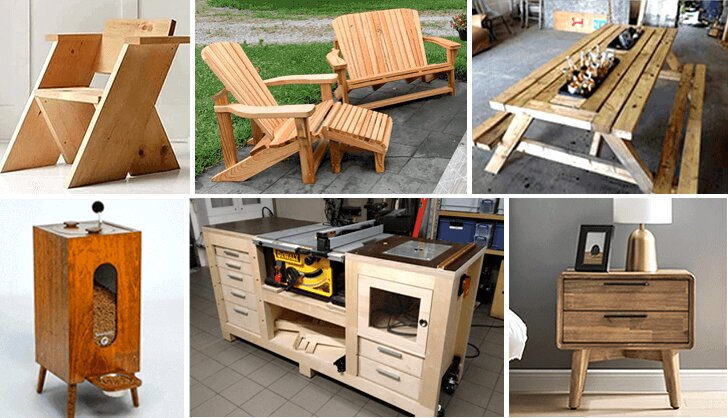
TedsWoodworking is that library: 16,000 plans, and every one includes step-by-step instructions, an exact cut list, a complete materials list and multi-angle schematics.
And once you have the lists in hand, pick something small to start: our weekend projects all fit on a single board.
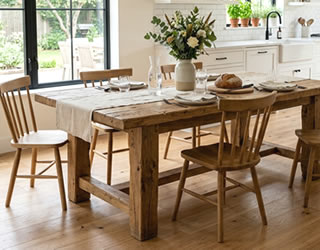
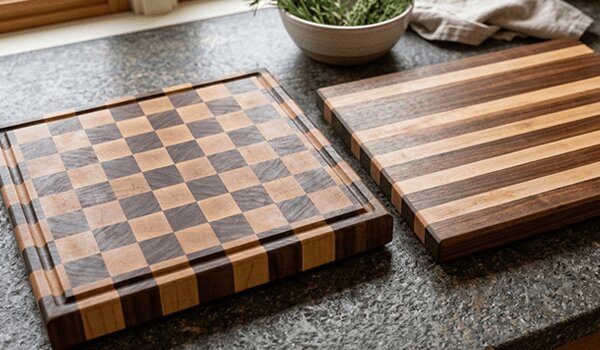
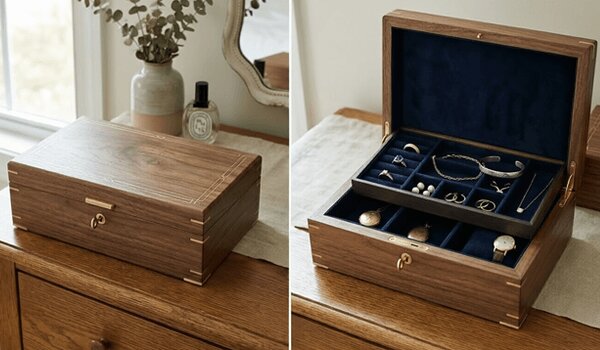
A look inside TedsWoodworking



FAQ
Does the cut list include the saw kerf?
Usually not. Cut lists give finished part sizes; the kerf is your allowance to add when you calculate how much board you need.
What does 4/4 mean on hardwood?
It is the rough thickness in quarters of an inch: 4/4 is one inch rough, which typically finishes around 13/16 in after surfacing.
How much extra lumber should I buy?
For construction lumber, 10 to 15% over the calculated length is a common margin. For wide hardwood boards with knots and checks, buy more and pick your boards.
Do I need a cutting diagram for sheet goods?
Yes, more than for boards. A sheet of plywood is expensive and a bad layout wastes half of it; the diagram exists to keep the big parts in the clear areas.
Next step
Print the cut list, add your kerf and defect margin in pen, and take that sheet to the lumber yard instead of the plan itself. Need a plan that comes with all three lists?
Based on standard North American lumber dimensions and common shop practice. Product details for TedsWoodworking are from the vendor’s published offer page as of September 28, 2026.