Disclosure: this article contains affiliate links. If you buy through them, we may earn a commission at no extra cost to you. How this works.
Short answer
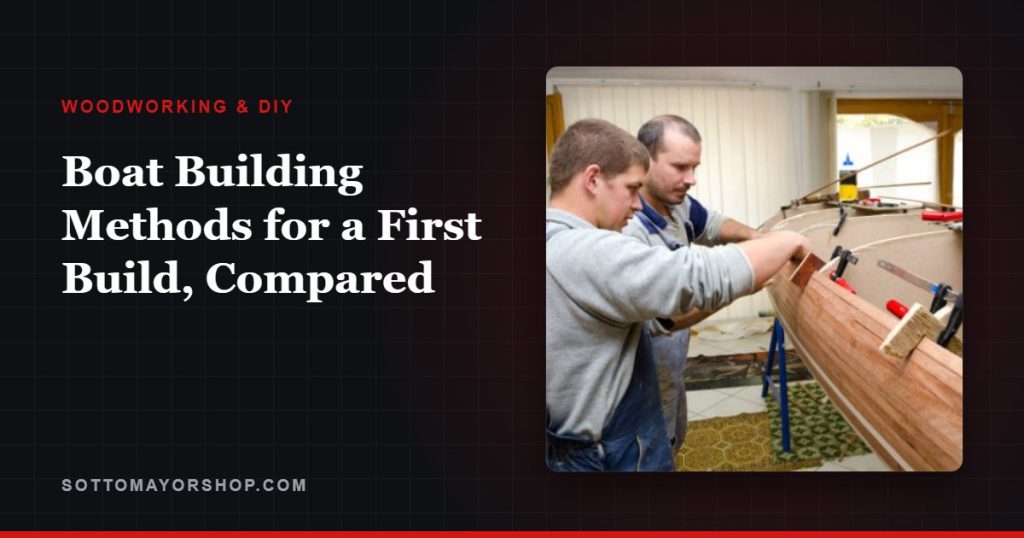
The boat building methods a first-time builder actually chooses between are four: stitch and glue, plywood on frame, strip plank and lapstrake. They differ less in the finished boat than in how much skill the process demands of you up front.
For a first build, stitch and glue wins for most people: fewest tools, fewest parts, and mistakes that epoxy will forgive.
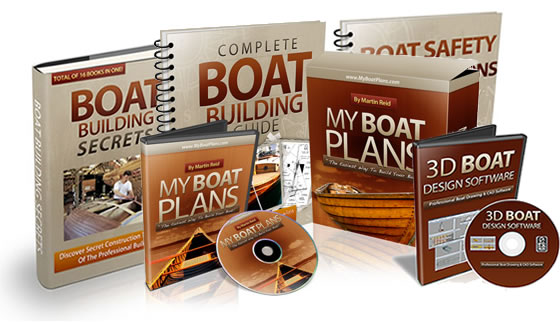
518 boat plans covering every building method
- 518 boat plans with step-by-step instructions, cutting patterns and materials lists
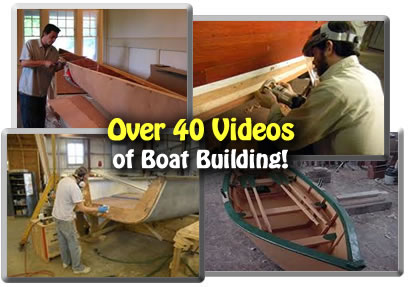
- 40+ boat building videos, over 10 hours
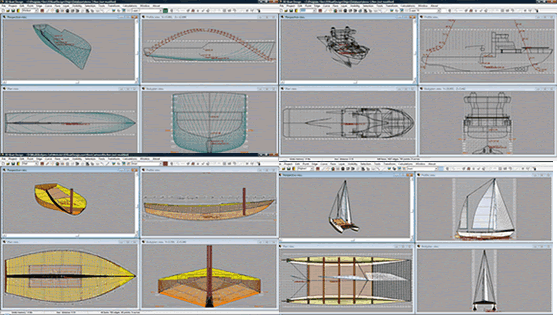
- 3D boat design software and a 600-page boat builder’s guide included
- Instant access and a 60-day money-back guarantee
The four methods at a glance
Everything below is the detail behind that table: the tools, the time and the specific place where each method tends to go wrong.
| Method | How it works | Skill needed | Best first boat |
|---|---|---|---|
| Stitch and glue | Plywood panels wired together, joints filled with epoxy fillets and tape | Low | Kayak, canoe, dinghy, small skiff |
| Plywood on frame | Frames set up on a strongback, plywood skin bent over them | Medium | Skiff, jon boat, small runabout |
| Strip plank | Narrow strips edge-glued over moulds, then sheathed in glass and epoxy | Medium to high | Canoe, kayak, small launch |
| Lapstrake | Overlapping planks fastened to each other and to frames | High | Traditional dinghy, rowing boat |
Stitch and glue
You cut flat plywood panels to shape, drill small holes along the edges, wire the panels together with copper or cable ties, and the hull pulls itself into a boat shape. Then epoxy fillets and fibreglass tape lock the joints and the wires come out.
The appeal for a first build is that there is no frame, no lofting and no fairing of a skeleton. The shape comes from the panel geometry, which somebody else already worked out in the plan.
Tools: a jigsaw or circular saw, a drill, a plane or sander, mixing pots and gloves. No shop machinery required, which is why it works in a garage.
Where it goes wrong: rushing the epoxy. Mixed off-ratio it never cures properly, and a fillet applied too thick sags and traps air. Work at the temperature the resin asks for and mix by weight or by the pumps, never by eye.
Plywood on frame
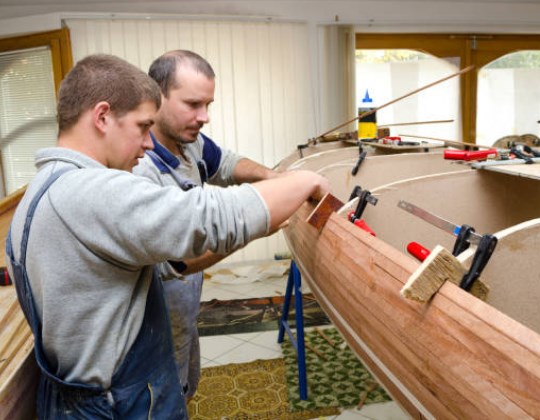
You build frames, set them on a strongback in the right positions, add the chine logs and stringers, then bend plywood over the skeleton. It is the traditional way small skiffs and jon boats were built in a home shop.
The advantage is a stiff, simple boat with a lot of structure you can see and understand. The cost is that every frame has to be square, plumb and in exactly the right place, because the skin will faithfully reproduce any error in the shape.
Tools: add a table saw or a good circular saw setup, a bevel gauge and a lot of clamps. Accuracy matters more here than in any other method, which is where marking from a single reference pays off.
Where it goes wrong: frames set up out of alignment. Check diagonals and use a stretched string or a laser line down the centre before a single panel goes on.
Strip plank
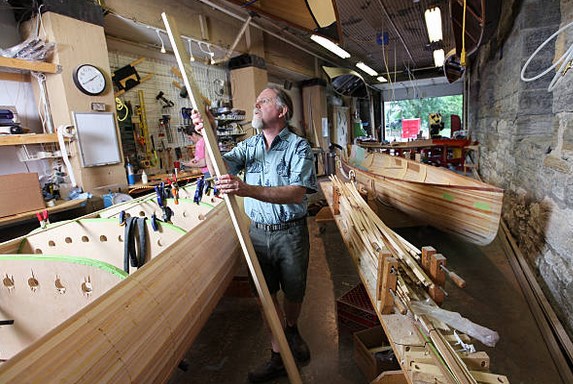
Narrow strips of cedar or similar are edge-glued over temporary moulds, sanded fair, and then sheathed inside and out with fibreglass and epoxy. The wood is essentially a core; the glass is the structure.
It produces the most graceful hulls available to a home builder, and a strip canoe is genuinely a beautiful object. It also asks for the most patience: hundreds of strips, a lot of fairing, and a finish that shows every flaw because it is clear.
Tools: a table saw with a good fence for ripping strips, a block plane, a long fairing board, and space to leave the hull set up for weeks.
Where it goes wrong: sanding through the outer glass at the chine or stem while fairing. Go slower than feels necessary near any edge.
Lapstrake
Overlapping planks, each land fitted to the one below. Traditionally riveted, today often glued with epoxy in the lapstrake-plywood variant.
It is the oldest of the four and the one that rewards experience most. Spiling each plank — working out the shape it has to be cut to so it lies fair — is a skill, not a procedure you follow once.
If a first-time builder wants a lapstrake boat, the glued-ply version with a good set of plans is the realistic route, and it should not be the first thing you ever build.
Where it goes wrong: a plank that is not spiled correctly forces a twist into everything above it, and the error accumulates upward.
What the choice really depends on
- Your space. A 16-foot hull needs a room you can walk around, plus the length again to get it out.
- Your time. Stitch and glue kayaks are measured in weekends; a strip canoe or a lapstrake dinghy in seasons.
- Your tolerance for epoxy. Three of the four methods are as much about resin work as woodwork.
- The boat you actually want. Picking a method and then finding a boat is backwards. Pick the boat, and the plan will tell you the method.
- The plan itself. A complete plan with panel offsets, a materials list and a build sequence is the difference between a project and a pile of plywood.
Before you buy any plywood
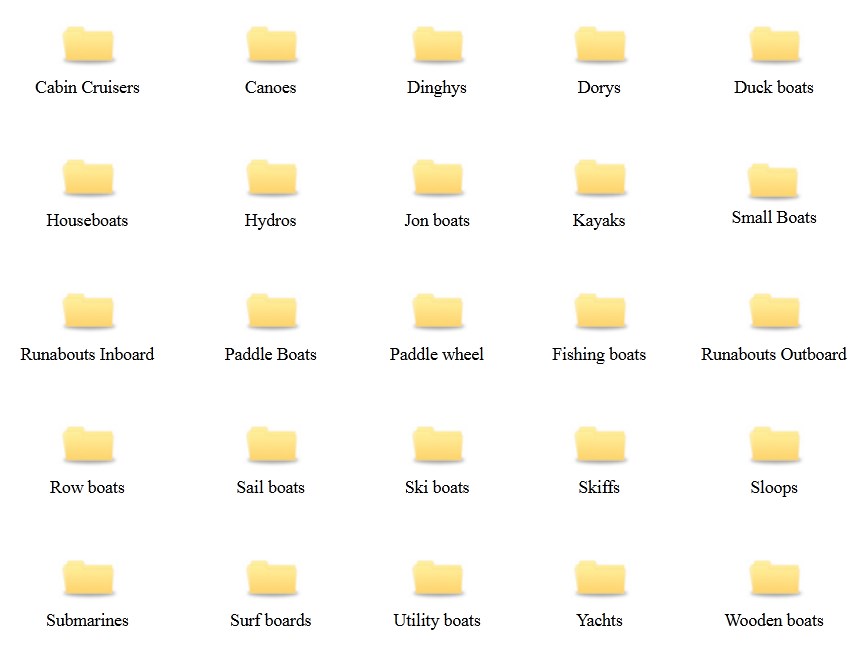
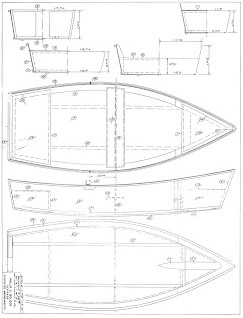
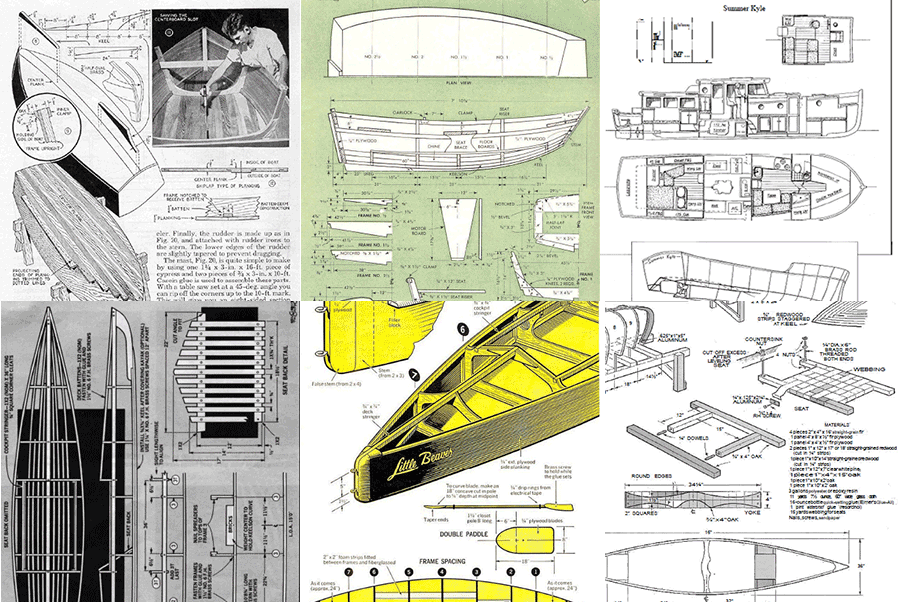
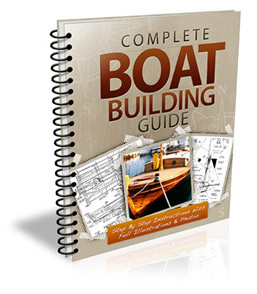
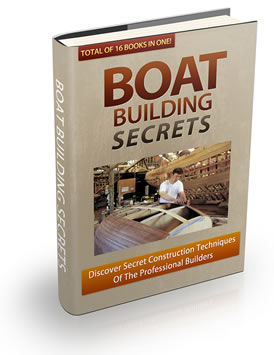
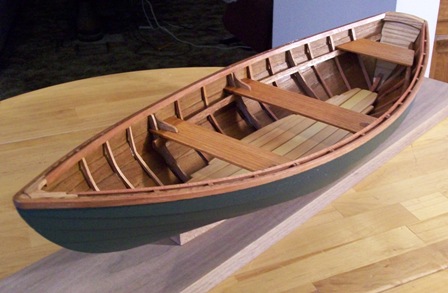
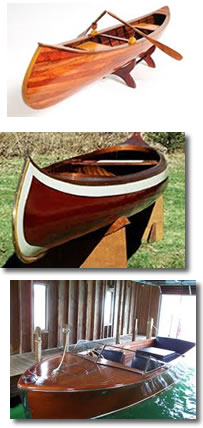
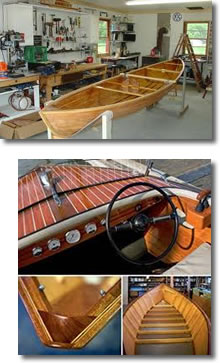
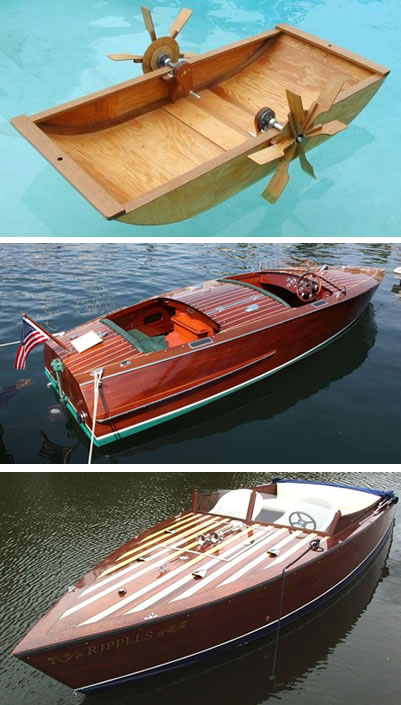
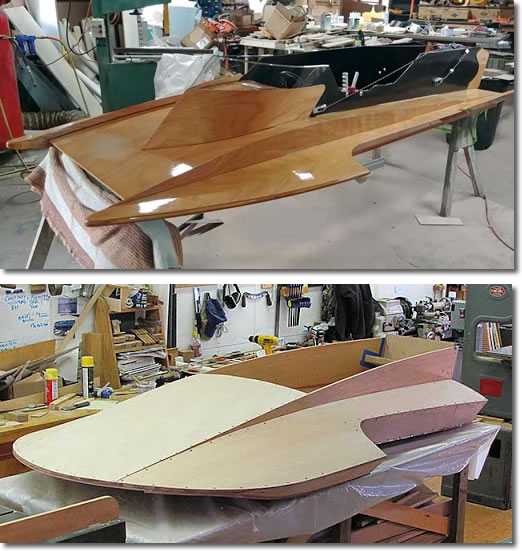
If you do not have a plan yet, start with the boat and let the library narrow it down. MyBoatPlans has 518 illustrated, step-by-step plans, each with schematics, cutting patterns and a material list, and it covers stitch and glue, plank on frame and lapstrake builds. More than 40 how-to videos show the awkward steps before you reach them in your own shop.
Read the whole plan once, front to back, before cutting anything. Then write your own cut list from it and check it against the sheet count — the same discipline as reading a cut list without wasting lumber, with more expensive sheets.
Marine plywood, the right epoxy, glass tape and fasteners are the bulk of the cost on a small boat, and they are ordered once. Getting the list right is worth an evening.
And set the shop up before the hull arrives in it: a boat occupies the floor for months, which changes every decision in our small workshop layout guide.
A look inside MyBoatPlans

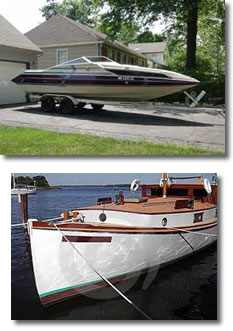
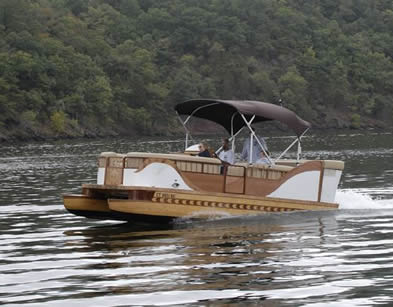
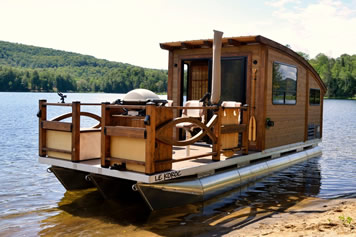
FAQ
What is the easiest boat to build first?
A stitch-and-glue kayak, canoe or small dinghy. Few parts, no frames, and the plan supplies the shape.
Do I need marine plywood?
For a boat that stays in the water or lives outdoors, yes. The difference is void-free plies and waterproof glue, and it is not a place to save money.
How long does a first boat take?
A stitch-and-glue kayak runs roughly 60 to 100 hours for most first-timers. A strip canoe or a lapstrake dinghy is several times that.
Can I build a boat in a one-car garage?
Up to about 16 feet, yes, if you can walk one side and get it out of the door. Measure the door before you choose the boat.
Next step
Pick the boat you actually want to row, paddle or fish from, then let the plan choose the method. Measure your space and your door before anything else. Then pick the plan that fits both.
Based on standard small-craft construction practice for the four methods commonly used by home builders, and on the tooling each one requires. Product details for MyBoatPlans are from the author’s published sales page as of September 28, 2026.