Disclosure: this article contains affiliate links. If you buy through them, we may earn a commission at no extra cost to you. How this works.
Short answer
The best woodworking projects for kids are small, quick and useful: a birdhouse, a toolbox, a pencil holder, a planter. Pre-cut the parts, clamp the work, and let the child do what they can do safely — sanding, gluing, nailing and, often from about eight, sawing with a handsaw.
Finishing in one or two short sessions matters more than the project itself. A kid who carries home something they made wants to come back to the bench.
Kids’ project plans with step-by-step instructions
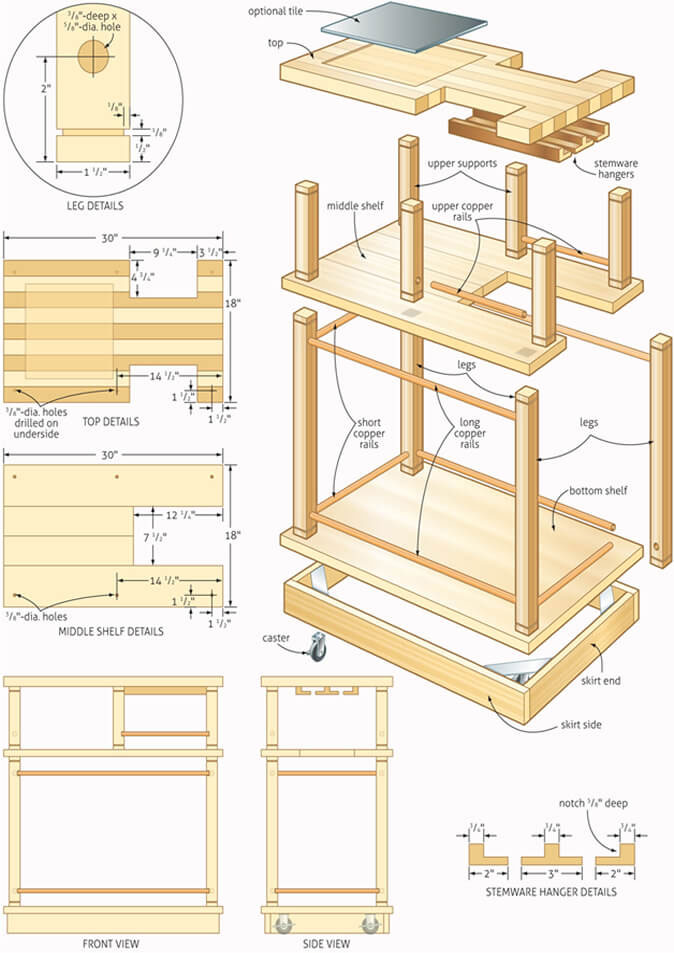
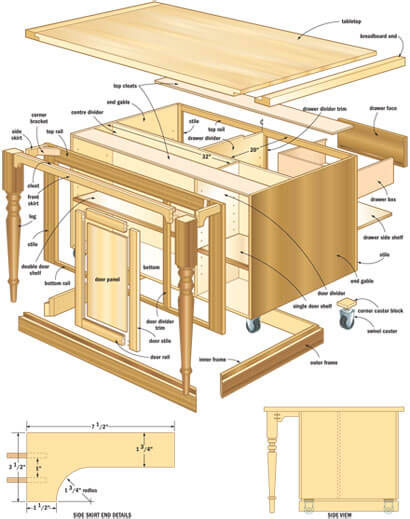
- 16,000 plans with step-by-step instructions, exact cut lists and materials lists
- Multi-angle drawings with exploded views of every joint
- Search by keyword or browse 100+ categories by difficulty
- New plans every month and a 60-day money-back guarantee
Safety rules for kids in the shop
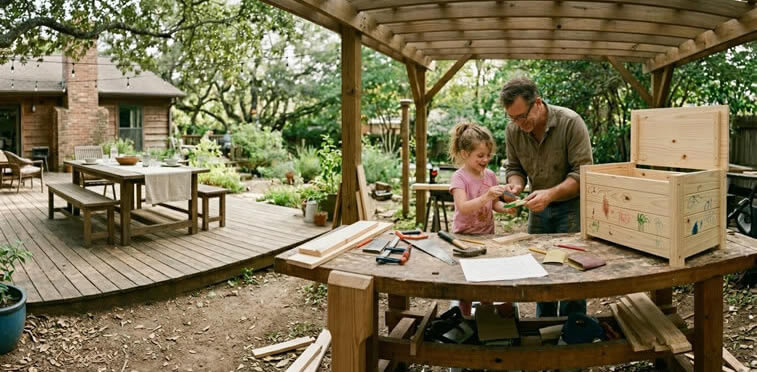
- An adult stays at the bench the whole time. Woodworking with kids is something you do together, not something you supervise from the kitchen.
- Safety glasses for everyone, adults included — kids copy what they see.
- Clamp the work to the bench or hold it in a vise, so both of the child’s hands stay on the tool and away from the blade.
- Hand tools first. Power tools come later, one at a time, and saws with spinning blades wait until a teenager has had real training.
- Short sessions: twenty to forty minutes is plenty for younger kids. Stop before frustration starts.
- Keep the floor clear and the tools not in use out of reach.
What kids can do at each age
| Age | Good tasks | Tools to start with |
|---|---|---|
| 4 to 7 | Sanding, gluing, painting, hammering nails an adult has started | Sanding blocks, a light hammer, wood glue, brushes |
| 8 to 11 | Measuring, marking, sawing clamped boards, drilling holes | A small handsaw with a miter box, a hand drill, a tape measure, clamps |
| 12 and up | Planning a project from a drawing, then building it with help | A cordless drill-driver and a sander, introduced one at a time with close supervision |
Ten projects kids can build
- Birdhouse: six pieces of pine, nails and glue, and a real job to do when spring comes.
- Toolbox or tote: two ends, two sides, a bottom and a dowel handle — and it holds their own tools.
- Pencil holder: a block of wood with drilled holes, or a small open box, for a first taste of drilling.
- Bird feeder: a flat tray with a low rim and a roof on two posts.
- Wooden boat: a pointed pine block with a dowel mast and a paper sail. It floats in the bath the same day.
- Picture frame: four strips, butt-jointed and glued, for a drawing or a photo.
- Planter box: a small box with drainage holes for herbs on a windowsill.
- Bookends: two L-shaped pairs of boards, sanded smooth and painted.
- Marble run: scrap blocks and grooved strips glued to a board, redesigned as often as they like.
- Tic-tac-toe board: a square of plywood, a drawn grid, and ten small pieces to cut and paint.
How to set a child up to succeed
Do the fiddly and risky cuts before the child arrives, and leave the satisfying steps for them: driving nails, spreading glue, sanding and painting. Mark every part with a letter so assembly feels like a puzzle rather than a test.
Let small mistakes stay. A bent nail pulled out and driven again teaches more than a perfect box built by an adult. The easy first builds in beginner woodworking projects for a weekend scale down well for a young helper.
Projects to build for kids
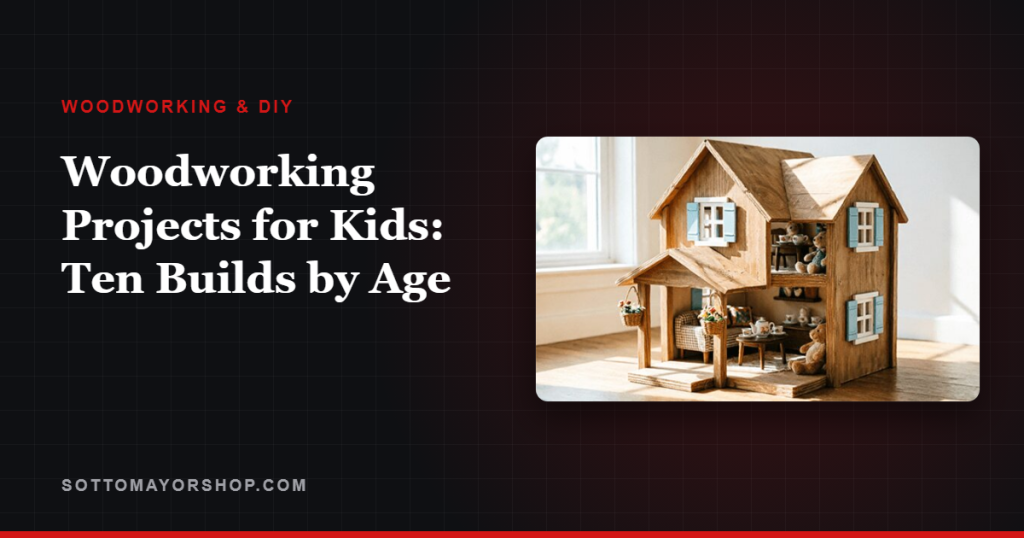
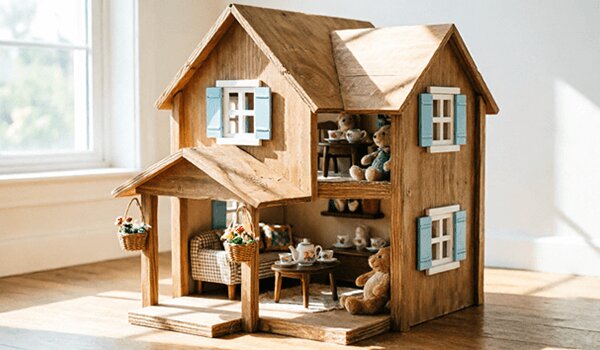
Some of the best woodworking projects for kids are the ones an adult builds for them: a dollhouse, a toy box, a small table and chairs, a bookshelf for picture books, a balance board. The child can still help by sanding, choosing the paint and deciding where things go.
- Anchor any bookshelf or tall piece to the wall, so it cannot tip over if a child climbs it.
- Fit a toy box lid with a support that holds it open in any position, so it cannot slam on fingers, or build the box with no lid at all.
- Round over every edge and corner, and sand until nothing snags a hand.
- Size chairs and tables to the child: the seat at the back of the knee, the tabletop roughly 10 to 12 inches above the seat.
Finishes for kids’ projects
For toys and anything that may end up in a small mouth, choose a simple finish — a water-based finish, or an oil-and-wax — and let it dry and cure fully before the piece goes back to its owner. Leave the inside of a toy box unfinished or lightly waxed, so it does not hold a smell.
Paint is half the fun for younger kids. A coat of primer on bare wood keeps the colors bright, and then they can go wild. The differences between oils, varnishes and film finishes are laid out in wood finishes explained.
Make it their project
Let the child choose the project, the colors and the name painted on the side. Ownership is what turns an afternoon in the garage into a hobby. Take a photo of every finished piece and sign and date the bottom together.
Keep a small box of offcuts just for them. Scraps, glue and a few nails keep a young builder busy while you make the cuts for the next project.
Plans make it easier for both of you
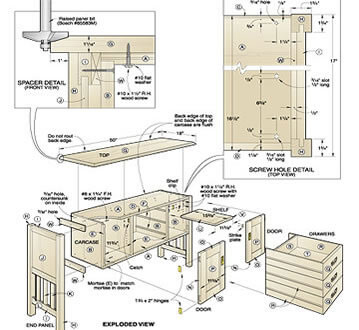
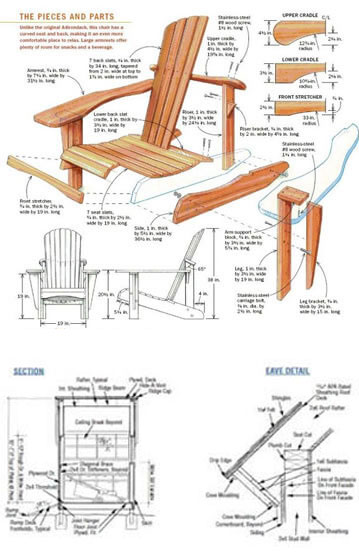
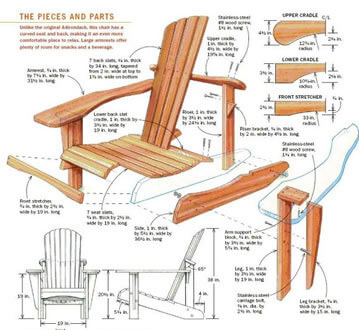
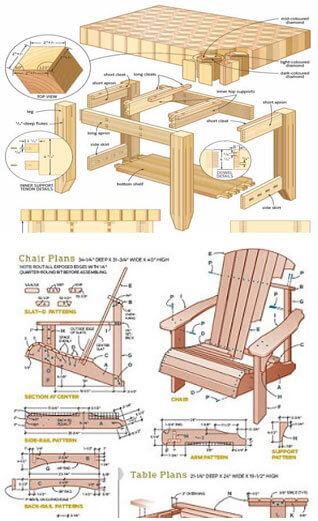
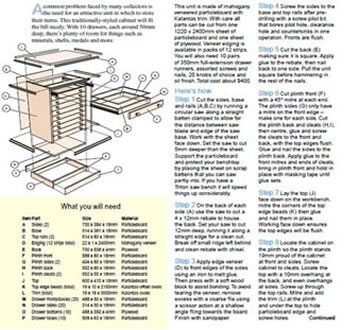
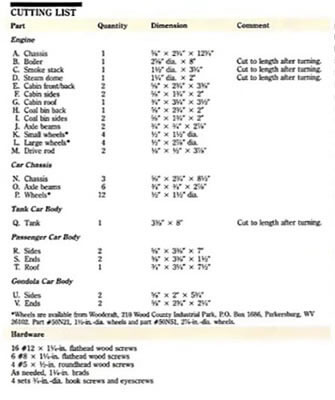
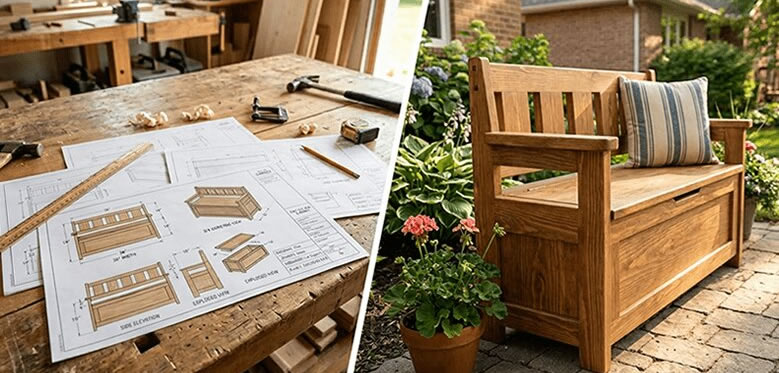
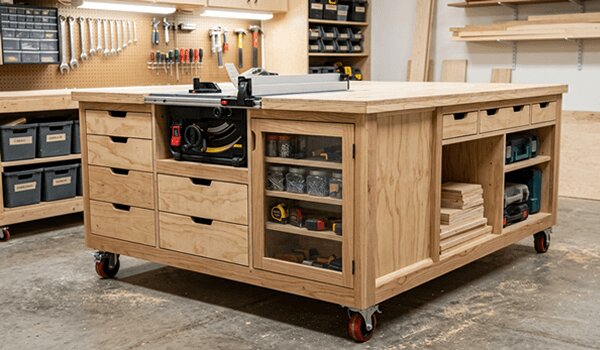
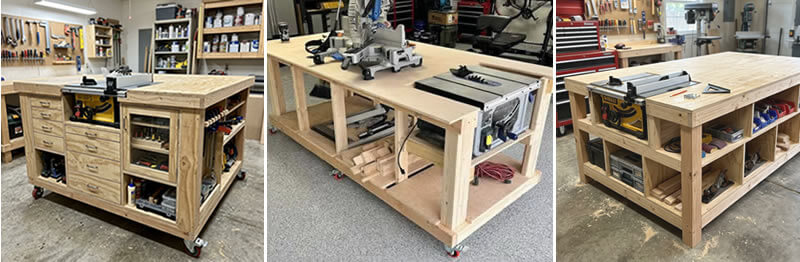
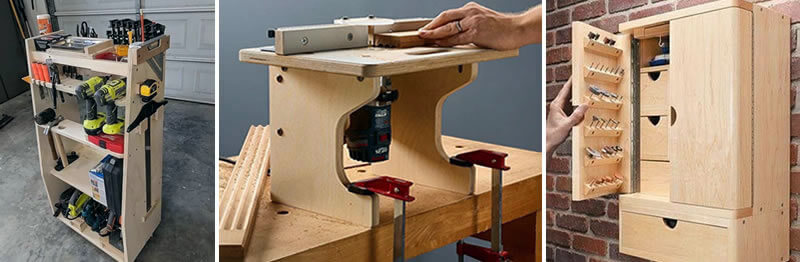
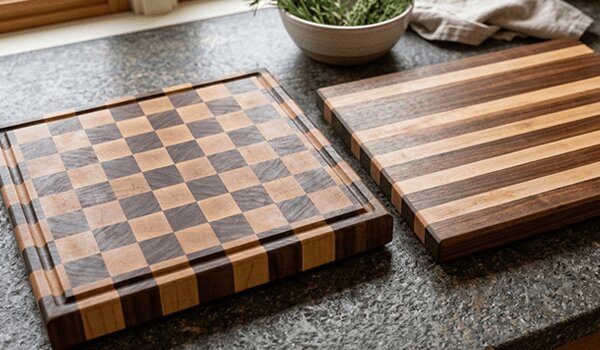
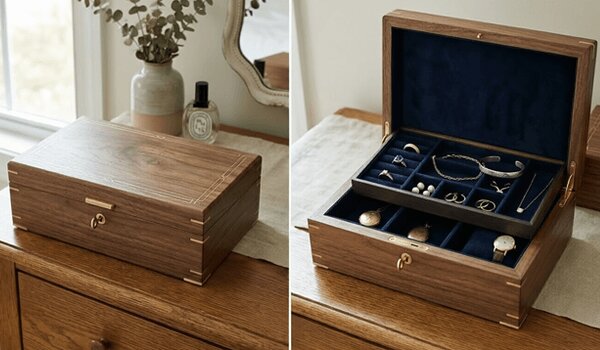
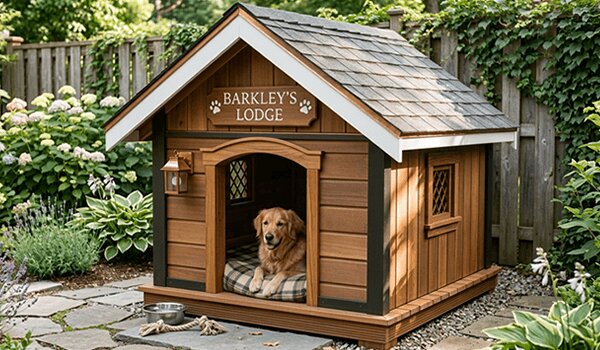
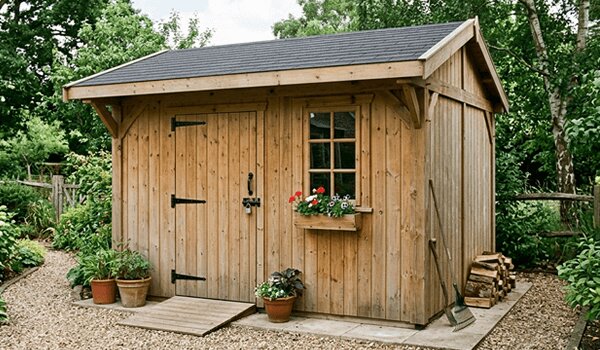
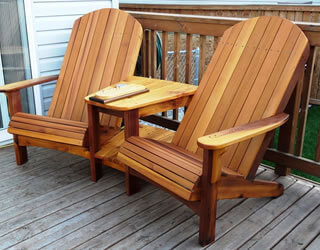
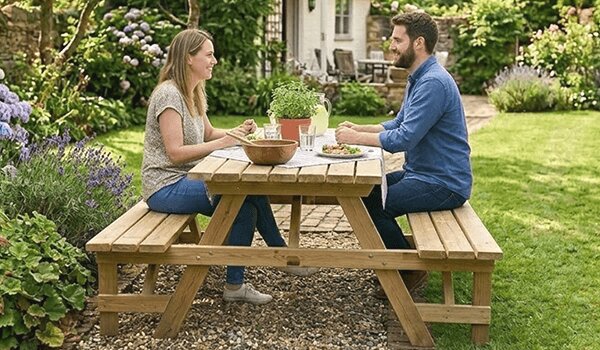
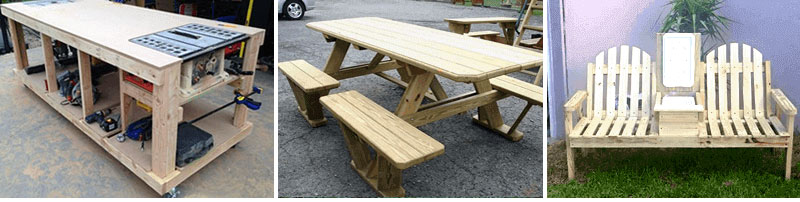
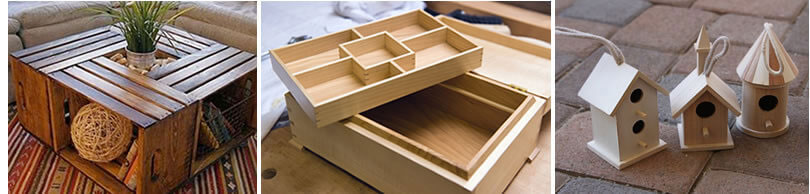
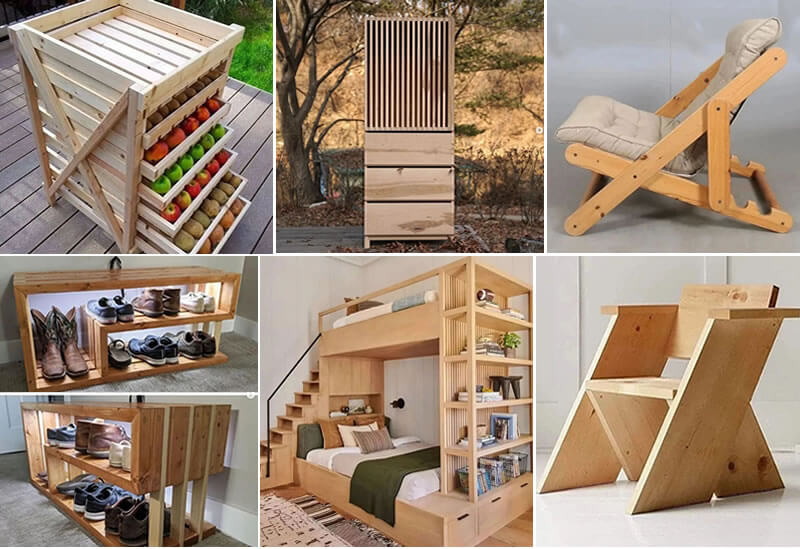
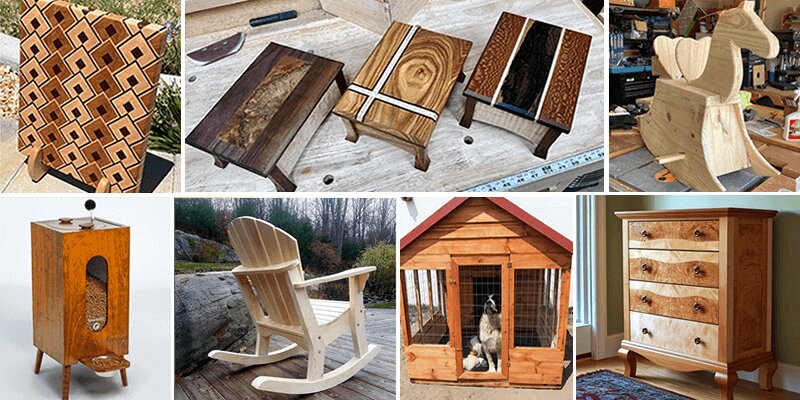
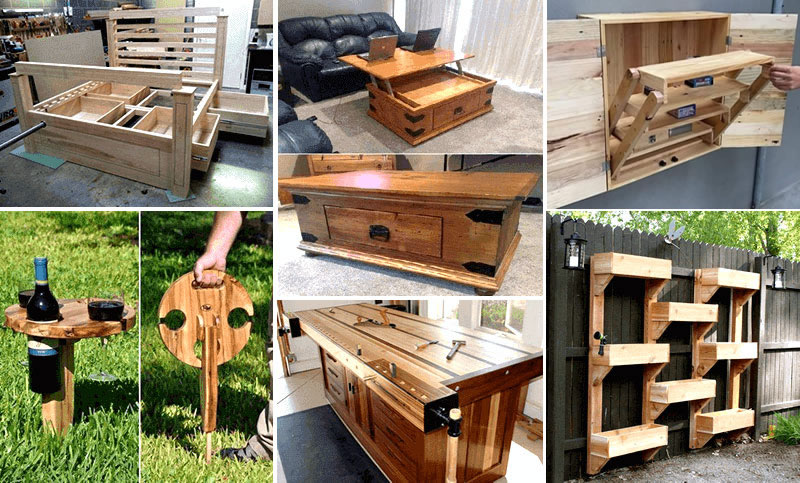
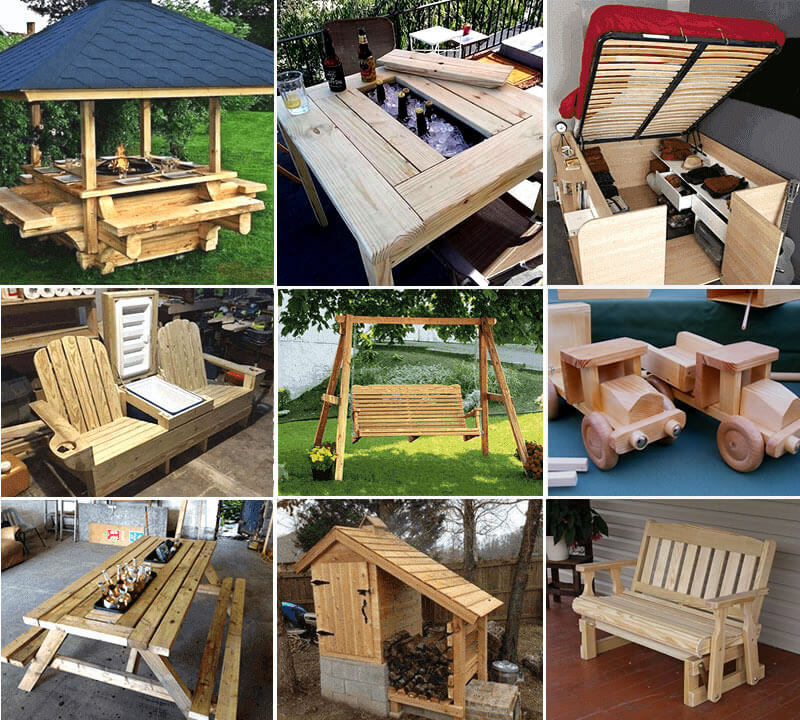
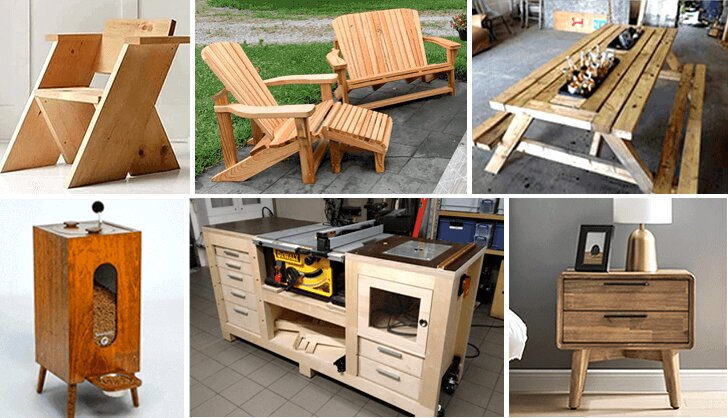
A plan with a cut list lets you prepare the parts in advance and hand the child a clear next step. TedsWoodworking lists more than 1,100 plans in its Kids & Recreation category, and every plan in the 16,000-plan library comes with step-by-step instructions, an exact cut list and a complete materials list.
A look inside TedsWoodworking

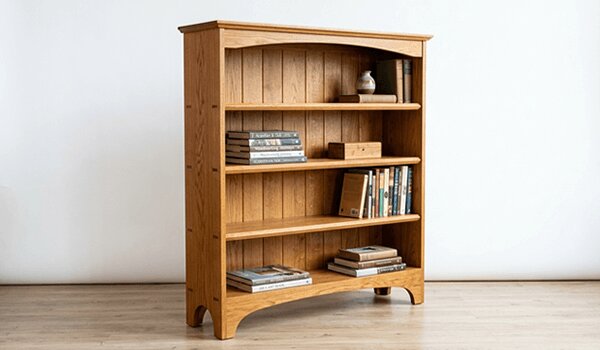
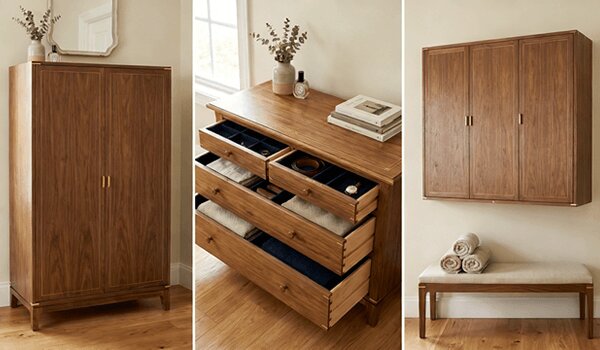
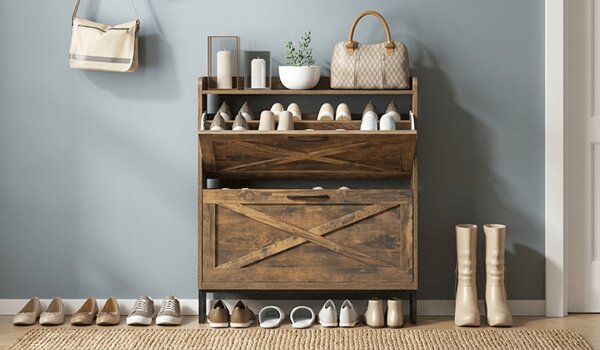
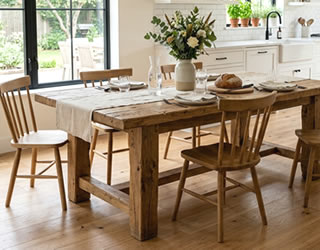
FAQ
What age can kids start woodworking?
Many kids enjoy sanding, gluing and hammering pre-started nails from about four, with an adult beside them. Sawing and drilling usually come a few years later.
What is a good first woodworking project for a child?
A birdhouse or a small toolbox: few parts, simple joints, and something useful at the end.
What tools should a kid’s first tool kit have?
Safety glasses, a light hammer, a small handsaw, a hand drill, a tape measure, sandpaper and a couple of clamps.
Can kids use power tools?
Older kids can learn a cordless drill and a sander with close supervision. Saws with spinning blades should wait until a teenager has proper training.
Next step
This weekend, cut the parts for one small project ahead of time and let your child do the gluing, nailing and sanding.
Based on common guidance for teaching woodworking to children: adult supervision, hand tools first, clamped work and age-appropriate tasks. Product details for TedsWoodworking are from the vendor’s published offer page as of September 29, 2026.