Disclosure: this article contains affiliate links. If you buy through them, we may earn a commission at no extra cost to you. How this works.
Short answer
Online piano lessons and a private teacher solve different problems. A good online course gives you structure, flexibility and the ability to replay every lesson; a teacher gives you live feedback on posture, technique and habits you cannot see yourself.
For most adult beginners, an online course is the practical place to start, with an occasional lesson from a teacher to check technique once you are playing.
Video, audio and ebook lessons at your own pace
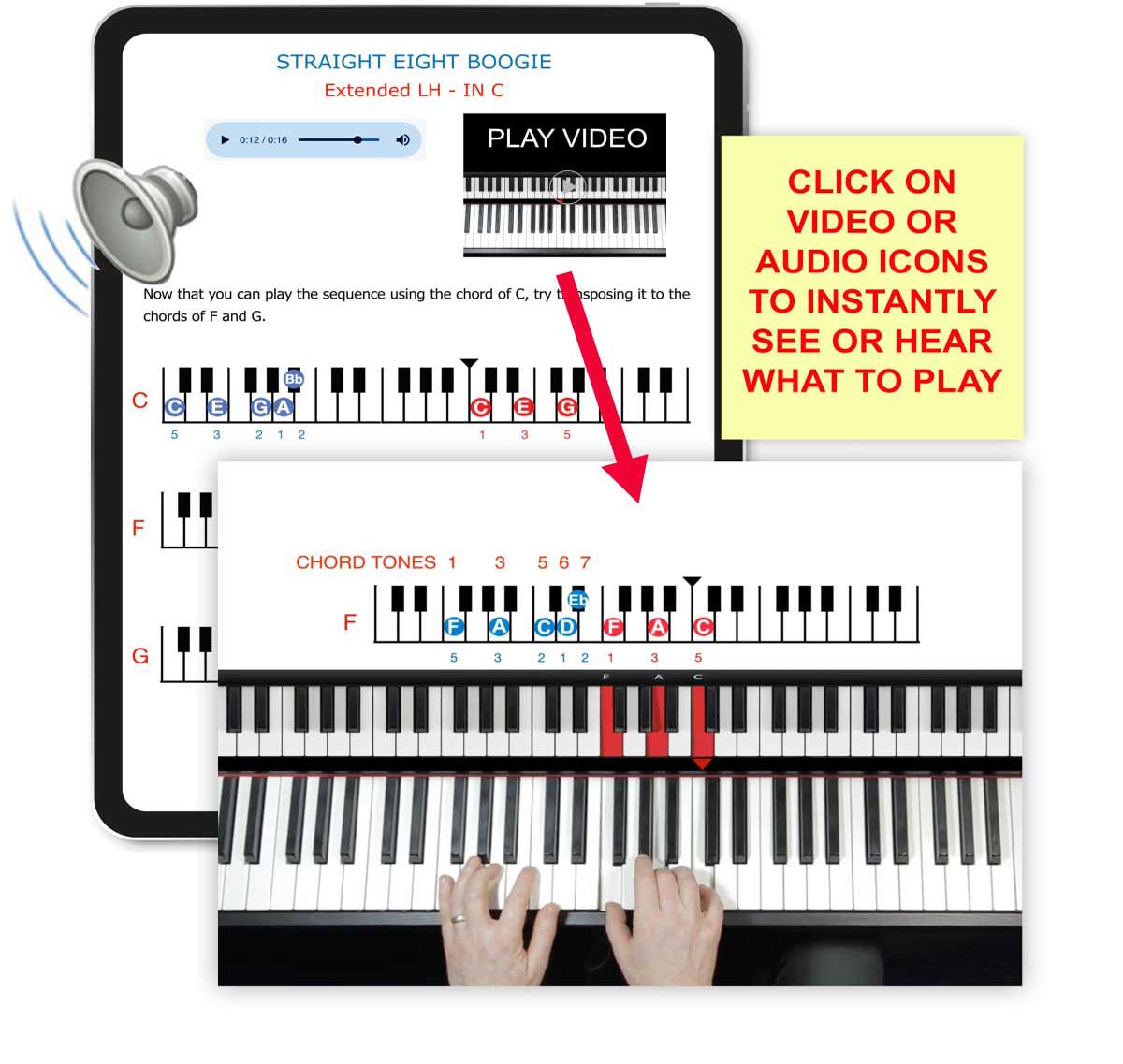
- Interactive ebooks with step-by-step video lessons and 1,000+ audio lessons
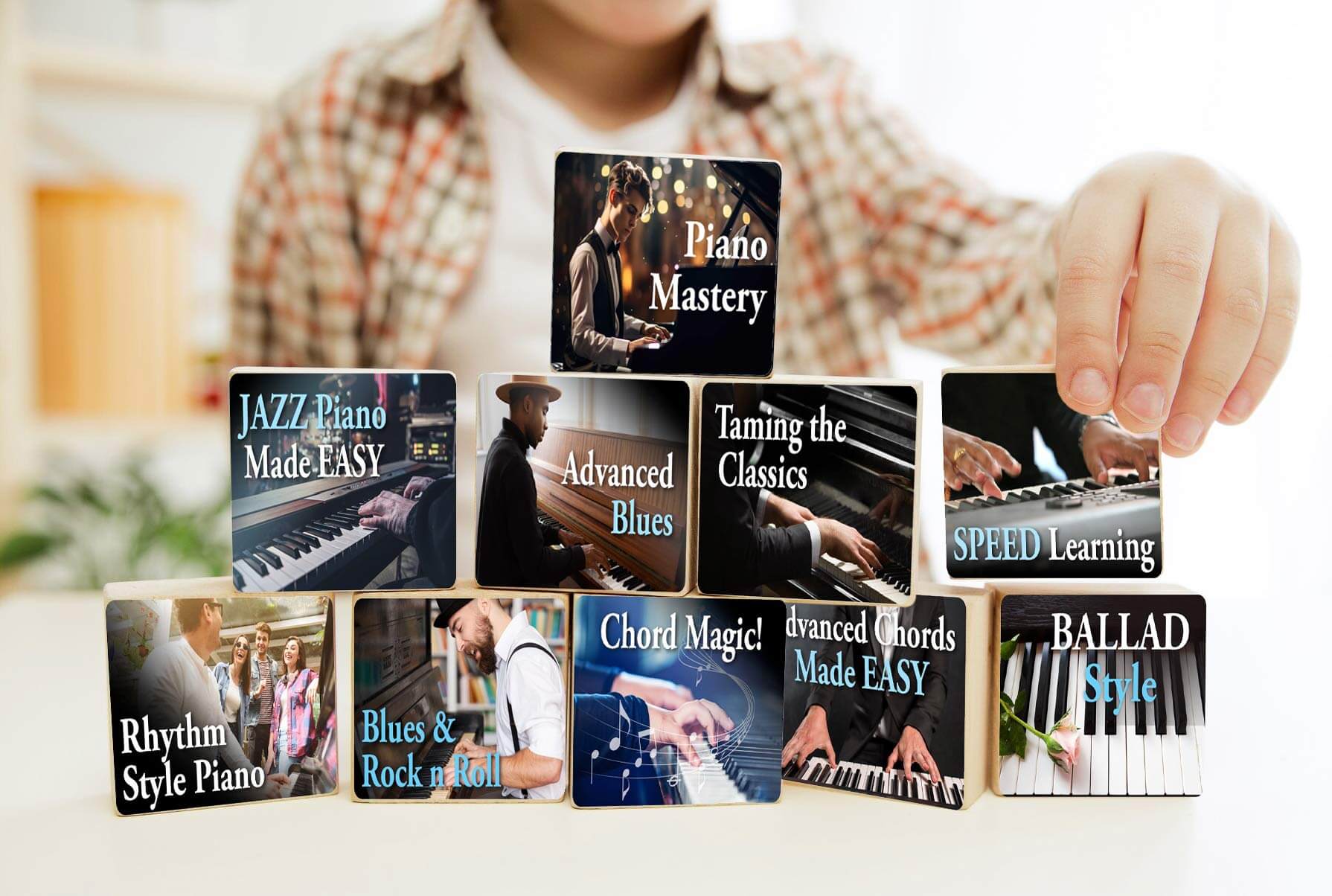
- Rhythm style first, then ballads, blues, jazz, ragtime and improvising
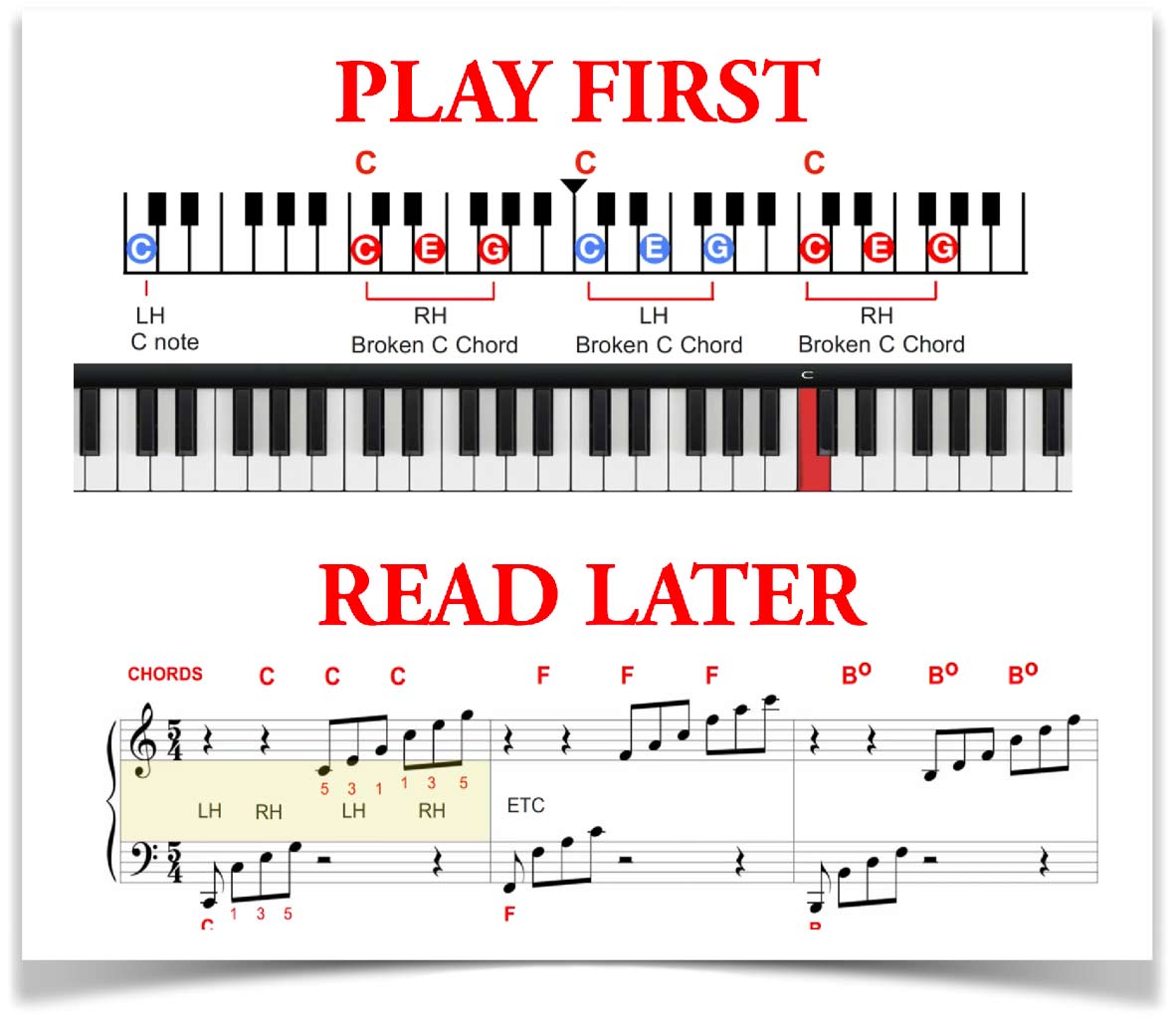
- Learn to read music as you learn to play by ear
- Lifetime access on any device and a 60-day money-back guarantee
Side by side
| Online course | Private teacher | |
|---|---|---|
| Schedule | Any time, at your own pace | A fixed weekly slot |
| Feedback | Self-assessed; recording yourself helps | Live correction of hands and posture |
| Replays | Every lesson, as often as you need | Only what you remember or record |
| Structure | A set curriculum | Tailored to you |
| Cost | One payment or a subscription | Paid per lesson, every week |
| Accountability | Up to you | Built in |
When an online course fits best
- Your schedule changes week to week, or you practice late at night.
- You want to play songs with chords, pop, ballads or blues rather than prepare for exams.
- You learn best by watching a passage several times and trying again straight away.
- You prefer to make your early mistakes in private.
- You want one clear path to follow instead of assembling one yourself.
When a teacher earns the fee
- You are aiming at classical repertoire, graded exams or auditions.
- Something feels wrong physically. Tension in the wrists or shoulders is worth a professional look before it becomes a habit.
- A child is learning and needs a weekly appointment to stay on track.
- You have plateaued at an intermediate level and need someone to hear what you cannot.
Getting the most from online lessons
- Practice at the same time every day, so it does not depend on motivation.
- Finish one lesson properly before starting the next.
- Record a short clip every week and compare it with the lesson video.
- Practice slowly first; speed comes from accuracy, not the other way around.
- Keep the course open on a tablet on the music stand, right where you play.
Combining the two
The two are not rivals. Many adults use an online course for the week-to-week learning and book a single lesson every month or two to check hand position, posture and pedaling. A teacher who only has to fix a few details is a very efficient use of lesson time.
Whichever route you take, the first stages are the same: the plan in how to learn piano as an adult, on a timeline like the one in how long it takes to learn piano.
Questions to ask before you choose
There is no wrong answer. The best choice is the one you will actually keep doing three months from now.
- What do I want to play in a year? Songs with chords point toward an online course; exams and classical repertoire point toward a teacher.
- When can I practice? If the answer changes every week, a fixed lesson slot will be hard to keep.
- How do I learn best? If you like to replay a passage ten times before trying it, video lessons suit you. If you need someone watching to stay on track, a teacher does.
- Does anything hurt when I play? Pain or tension is a reason to see a teacher in person, whatever else you choose.
What a good online course includes
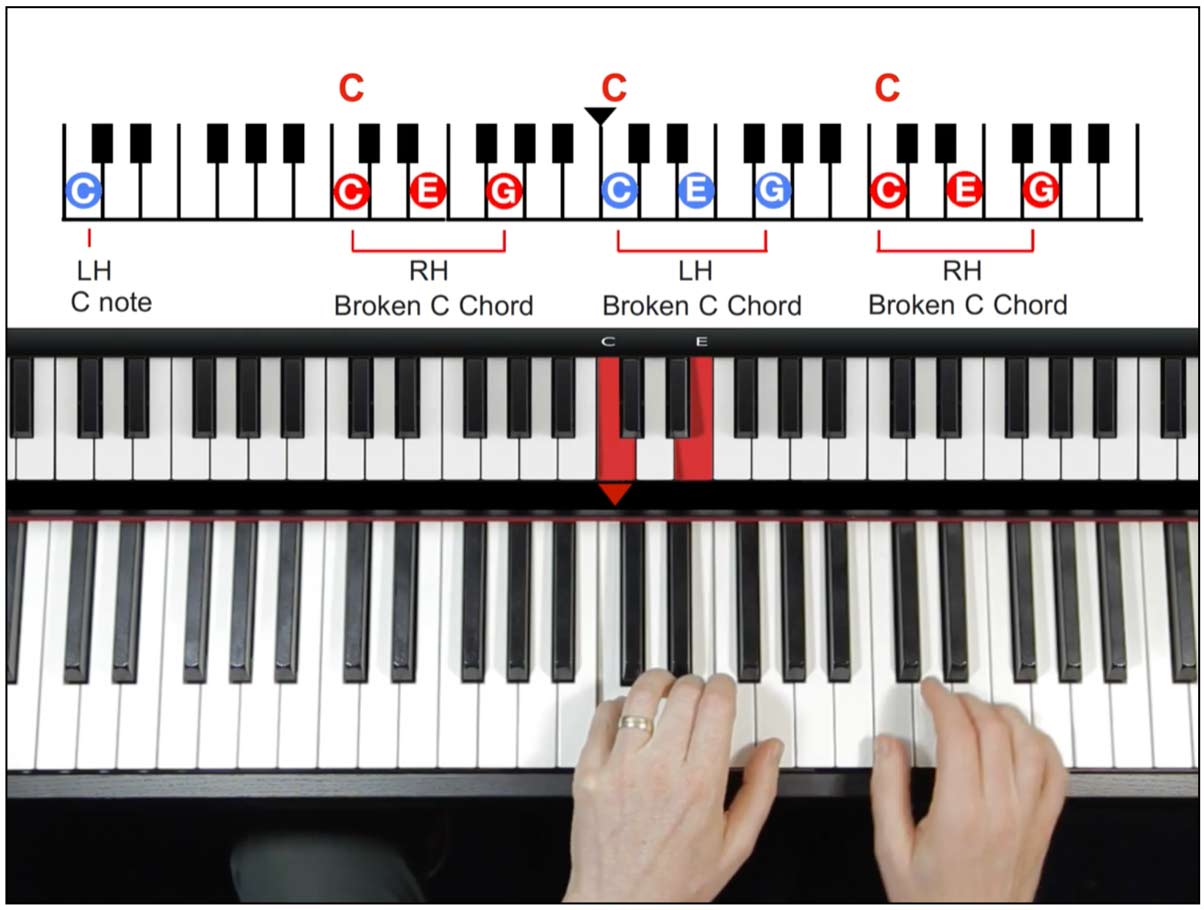
Look for video filmed from above the keys, audio for every example, a clear order from beginner material upward, and lessons that keep working when the internet does not.
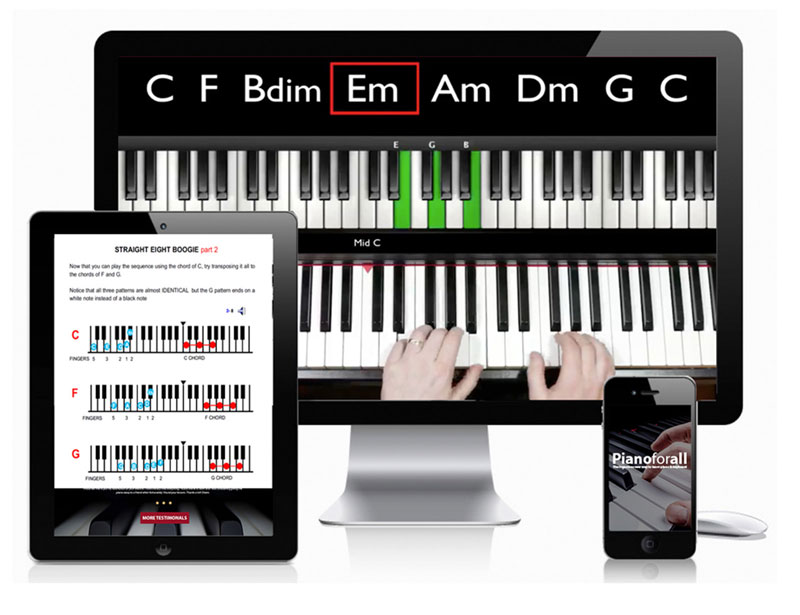
Pianoforall covers that list: interactive ebooks with step-by-step video lessons and more than 1,000 audio lessons built in, on PC, Mac, tablets and phones, with lifetime access, free updates and a 60-day money-back guarantee.
A look inside Pianoforall

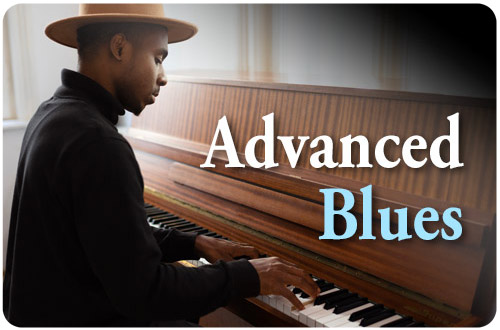
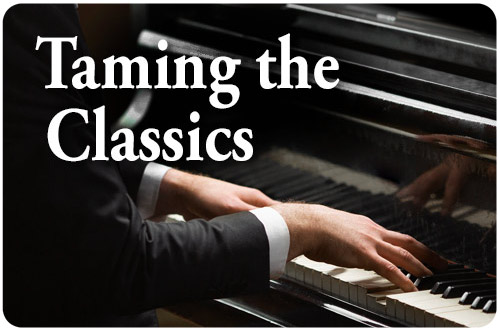
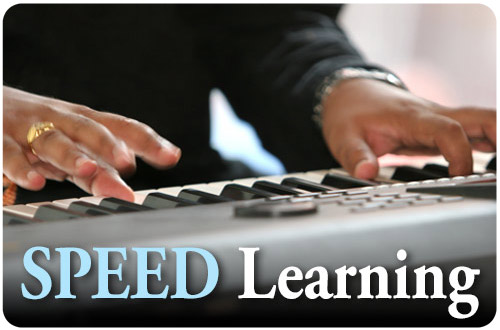
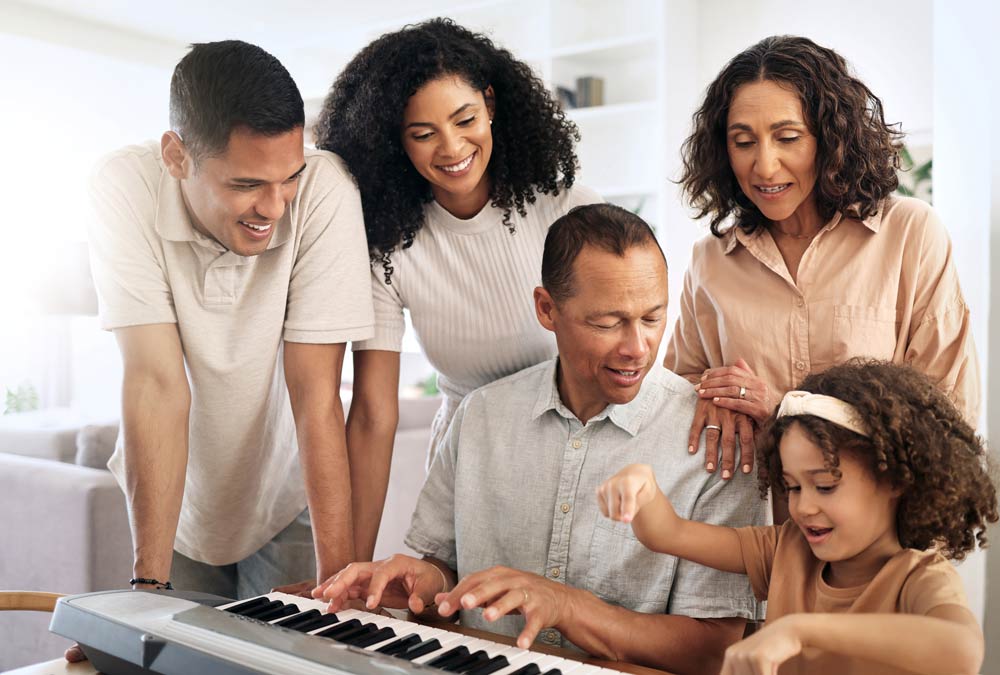

FAQ
Are online piano lessons effective?
Yes, for chords, songs, rhythm and reading, as long as you practice consistently. Add a lesson with a teacher now and then to check technique.
How are private piano lessons usually paid?
Per lesson, typically weekly, and rates vary widely by city and teacher. Online courses are usually a one-time payment or a subscription.
Can I learn piano without a teacher?
Many people do, with a structured course and regular practice. A few check-in lessons along the way help keep your technique healthy.
What should I look for in an online piano course?
Video from above the keys, audio for every example, a clear progression, offline access and a money-back guarantee.
Next step
Decide which matters more to you right now — flexibility or live feedback — and start there this week. You can always add the other later.
Based on standard piano teaching practice and on how online courses and private lessons are typically structured. Product details for Pianoforall are from the vendor’s published sales page as of September 29, 2026.