Disclosure: this article contains affiliate links. If you buy through them, we may earn a commission at no extra cost to you. How this works.
Short answer
To practice piano well, work in short daily sessions with a plan: warm up, spend most of the time on small sections of new music played slowly, review something you already know, and finish by playing for fun. Thirty focused minutes a day beats three hours once a week.
The biggest change most learners can make is to practice slower and in smaller pieces than feels necessary.
A step-by-step course to practice from
- Interactive ebooks with step-by-step video lessons and 1,000+ audio lessons
- Rhythm style first, then ballads, blues, jazz, ragtime and improvising
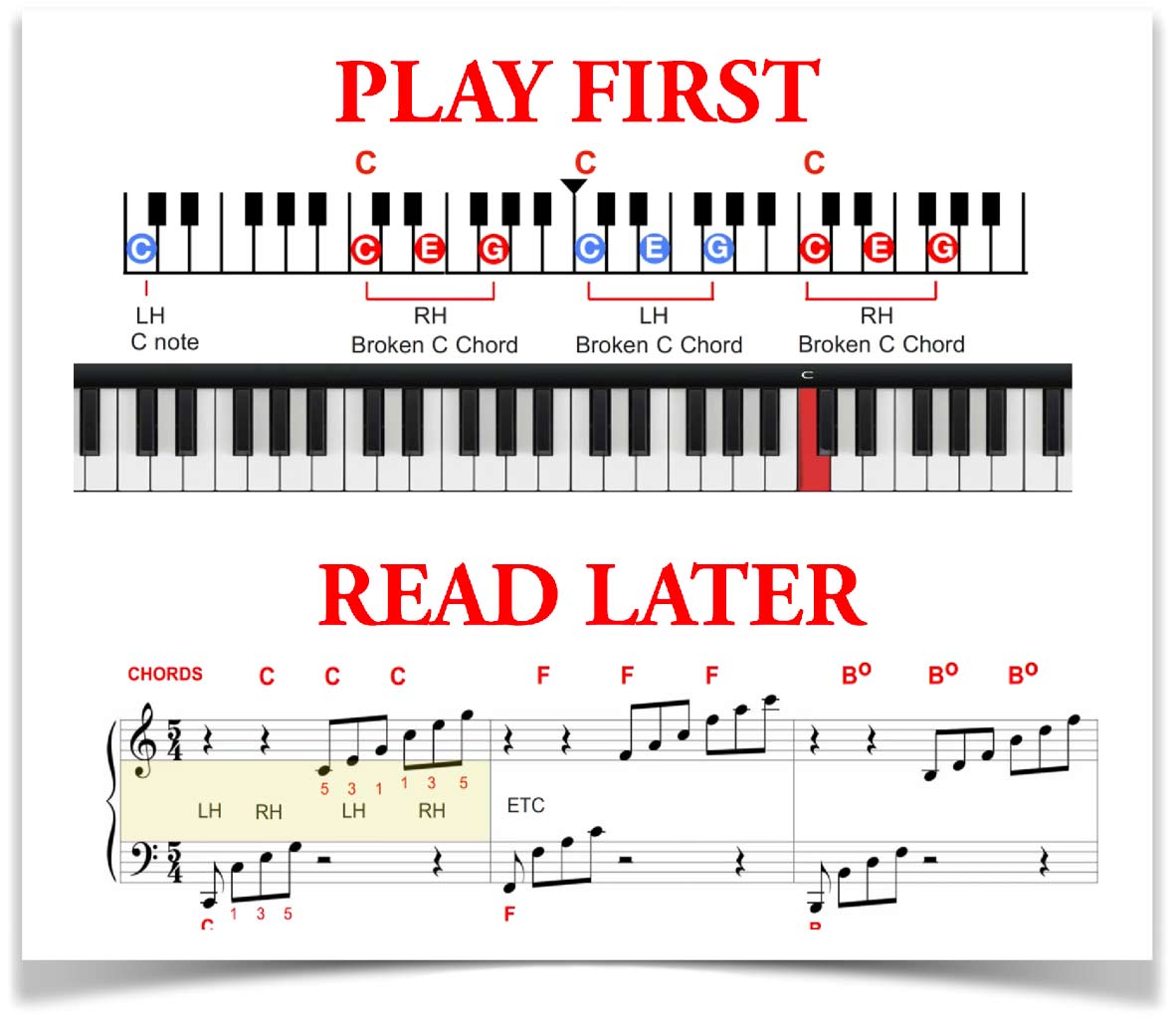
- Learn to read music as you learn to play by ear
- Lifetime access on any device and a 60-day money-back guarantee
A 30-minute practice routine
| Minutes | What to do | Why |
|---|---|---|
| 0 to 5 | Warm-up: five-finger patterns or a scale | Loosens the hands and focuses the mind |
| 5 to 10 | Technique: one exercise or chord progression | Builds skills the music needs |
| 10 to 22 | New music, in small sections | Where real progress happens |
| 22 to 27 | Review a piece you already know | Keeps old pieces alive |
| 27 to 30 | Play anything, just for fun | Ends the session wanting more |
Slow is fast
Play new music slowly enough that you can play it right. Every time you play a passage with a mistake, you practice the mistake. A metronome set well below the goal tempo, raised a few clicks at a time, gets you to full speed sooner than rushing does.
If you cannot play it slowly, you cannot play it fast — you can only play it messily fast.
Work in small sections
- Pick one or two bars, not the whole page.
- Play the right hand alone, then the left, then both together.
- Repeat until the section feels easy three times in a row.
- Join it to the next section with the last note of one and the first of the next.
- Start some sessions from the end of the piece, so the ending gets as much practice as the beginning.
Fix mistakes where they happen
When you trip, stop and find the exact note or beat that went wrong. Slow that spot down, play it correctly a few times, and then put it back in context. Going back to the start of the piece every time you make a mistake means the beginning gets polished and the hard part never does.
Keep a practice journal
Write down what you worked on, the metronome speed you reached and one thing to fix next time. After a few weeks, the journal shows progress that is hard to notice day to day — especially for adults, as described in learning piano as an adult.
Record yourself once a week. You hear things while listening that you miss while playing.
Warm-ups and technique
A few minutes of finger work at the start of each session makes the rest easier. The exercises in piano finger exercises fit neatly into the first five minutes.
How quickly all of this adds up depends mostly on consistency — see how long it takes to learn piano for realistic milestones.
Getting past a plateau
- Learn a piece in a style you have never played.
- Play a familiar piece in a new key.
- Set a small goal with a date, like playing one song for a friend.
- Take a day or two off. Skills often settle while you rest.
Practice with a clear path
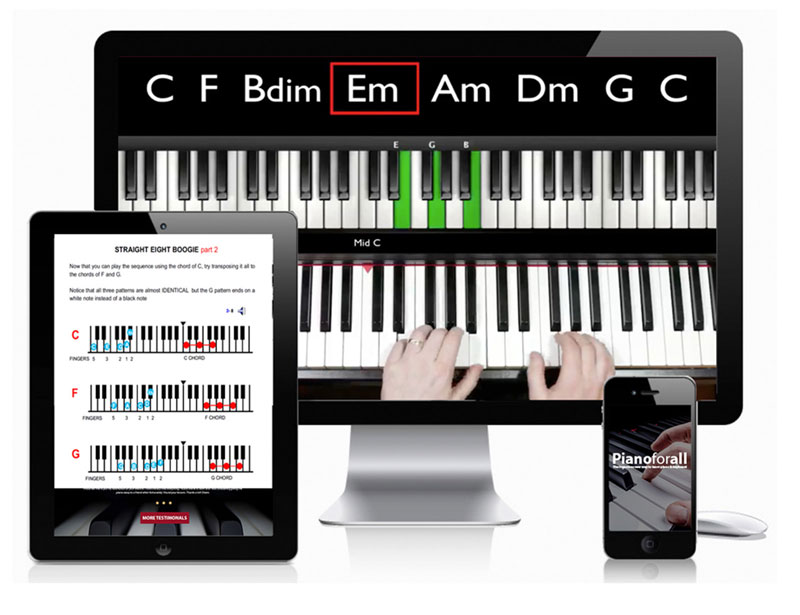
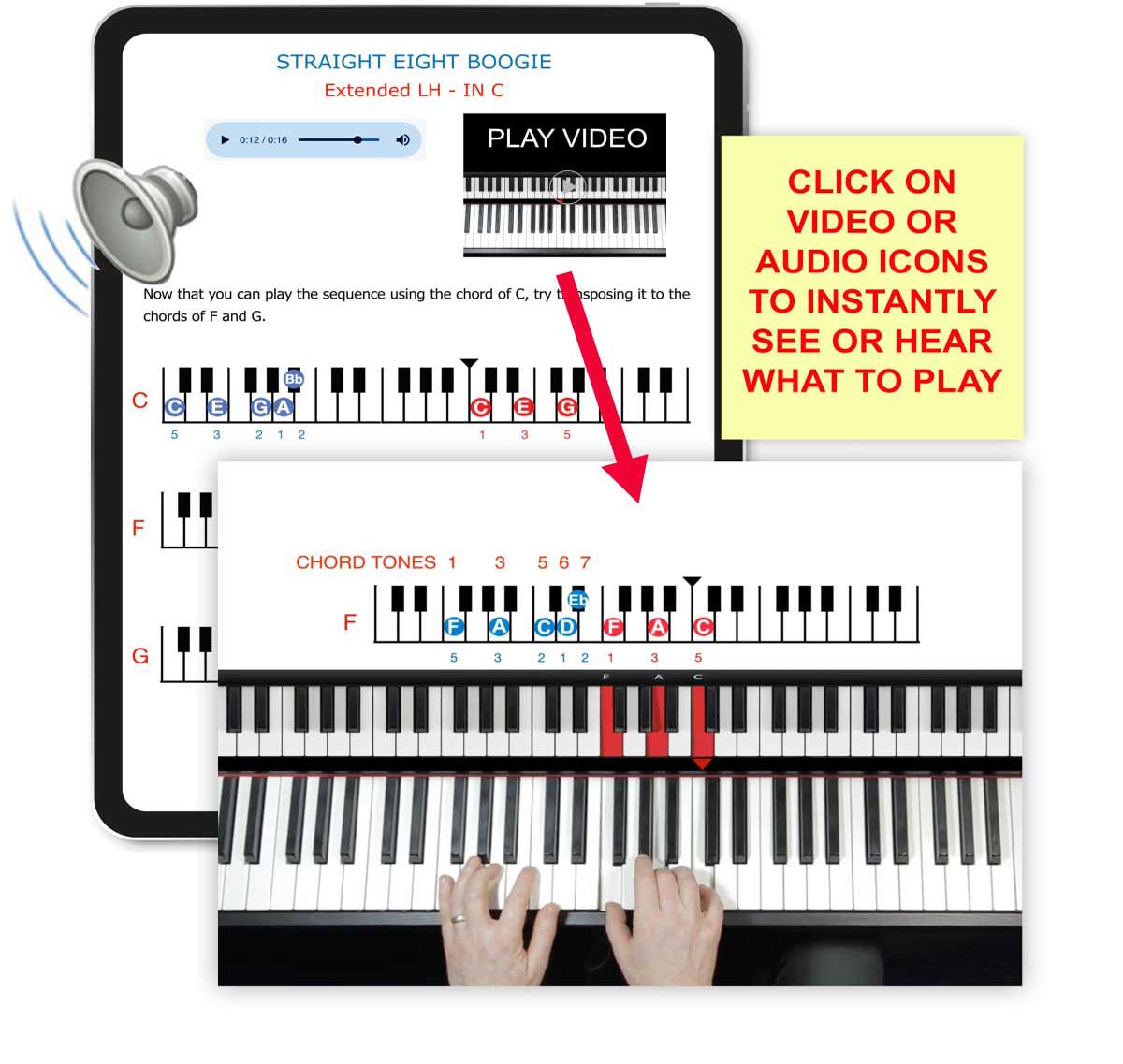
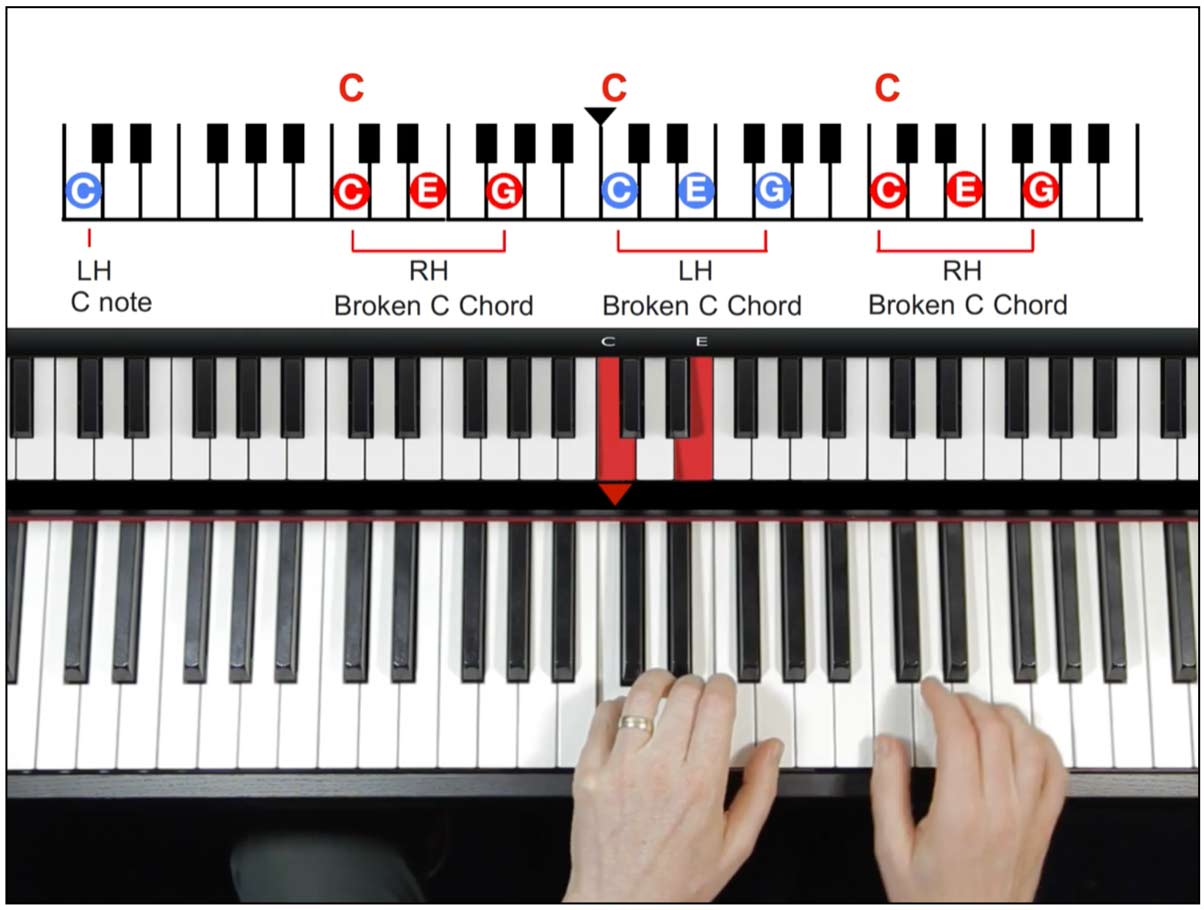
A routine works best when you know what comes next. Pianoforall lays out that path step by step, from rhythm-style piano to ballads, blues, jazz and ragtime, with lessons that combine written instruction, keyboard diagrams, notation, video and audio — and it runs on computers, tablets and phones without needing to be online.
A look inside Pianoforall















FAQ
How long should I practice piano each day?
About 20 to 30 focused minutes a day is plenty for most beginners. Consistency matters more than length.
Is it better to practice slowly?
Yes. Slow, correct practice builds accurate habits; speed follows once the notes are secure.
Should I practice hands separately?
For new or tricky sections, yes. Put the hands together once each hand is comfortable alone.
What should I do when I stop improving?
Change something: a new style, a new key, a small goal with a date, or a short break.
Next step
Tomorrow, set a timer and follow the 30-minute routine exactly once, writing down one thing to fix next time.
Based on standard piano teaching practice: structured sessions, slow practice, sectional work, hands separately and self-recording. Product details for Pianoforall are from the vendor’s published sales page as of September 29, 2026.