Disclosure: this article contains affiliate links. If you buy through them, we may earn a commission at no extra cost to you. How this works.
Short answer
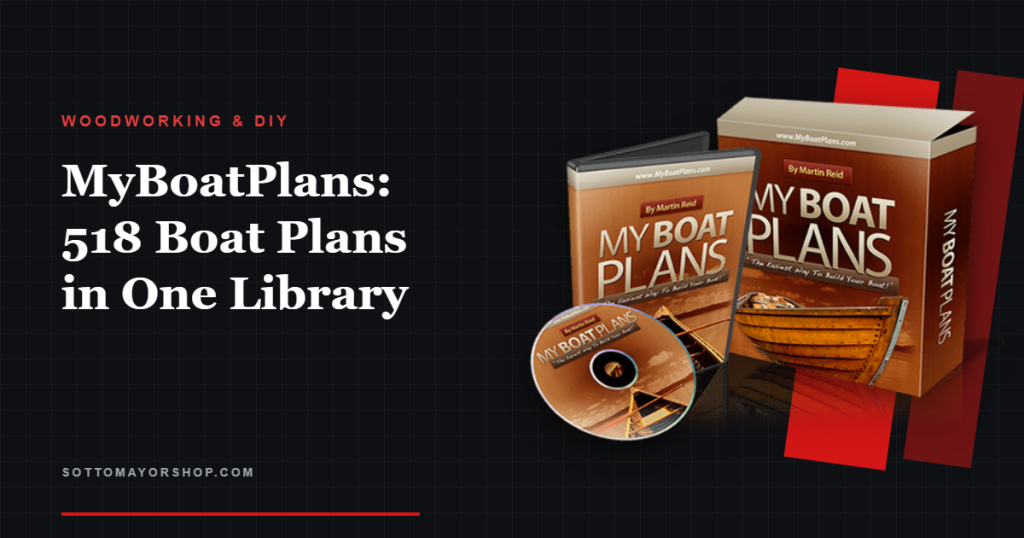
MyBoatPlans is a library of 518 illustrated boat plans — kayaks, canoes, dinghies, skiffs, runabouts, pontoons and houseboats — each with step-by-step instructions, diagrams and a materials list.
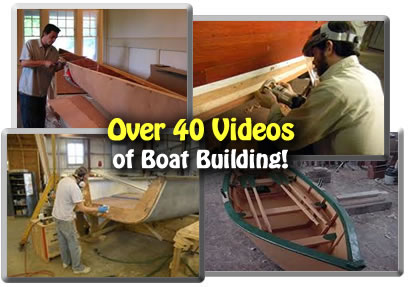
It comes with more than 40 boat building videos, a searchable index organised by boat type, and free new plans every month for as long as you have it.
What is in the package
- 518 boat plans with step-by-step instructions, diagrams and materials lists
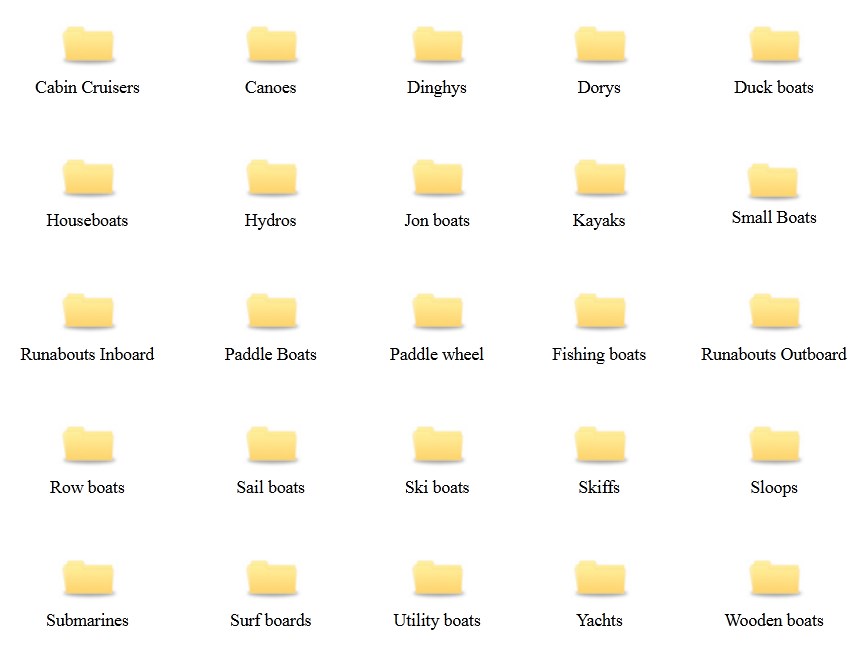
- Searchable index, each boat in its own folder
- 40+ boat building videos, over 10 hours
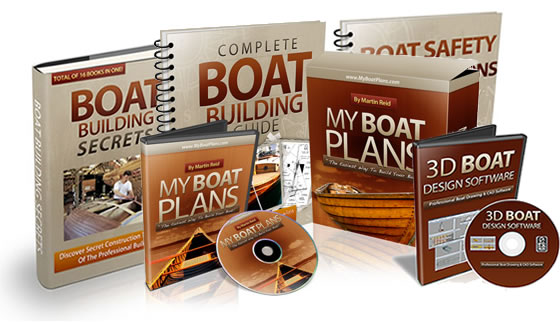
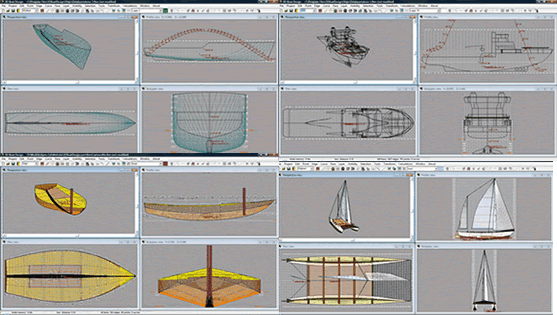
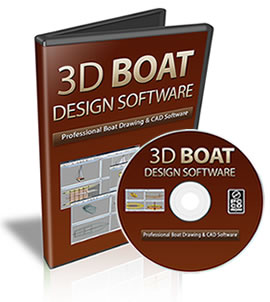
- Five bonuses, including 3D boat design software and a boat safety regulations guide
- New plans added every month, free for life
- One payment of $47, with a 60-day money-back guarantee
Why a library instead of a single plan
A single good boat plan costs somewhere between $50 and several hundred dollars. That is fine once you know exactly which boat you want to build — and most people do not, until they have read a few dozen.
A library changes the order of the decision. You browse the whole field first, compare a stitch-and-glue kayak against a flat-bottom skiff against a small runabout, and choose with the drawings in front of you rather than from a photograph.
It also means the second boat is already paid for, which matters more than it sounds: almost nobody who finishes a first boat stops at one.
What the 518 plans cover
That spread is the reason the library suits someone who is still deciding. Our own comparison of boat building methods explains what each of those types asks of you in skill and tools.
| Type | Typical use | Good for a first build |
|---|---|---|
| Kayaks and canoes | Paddling, fishing, touring | Yes — the classic first boat |
| Rowboats and dinghies | Rowing, tender to a bigger boat | Yes |
| Skiffs and jon boats | Fishing, shallow water, small outboard | Yes, with a little more structure |
| Runabouts and paddle boats | Day boats, family use | Second build |
| Pontoon boats | Flat water, platforms | Second build |
| Houseboats and cabin cruisers | Living aboard, long trips | Later, and with help |
Step-by-step, not just drawings
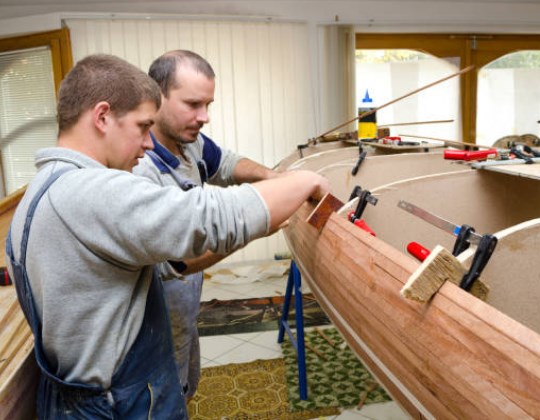
Martin Reid built boats for 31 years before assembling this, and the thing he chose to add to the plans is the part beginners actually lack: the order of operations, written out, with photographs of the awkward stages.
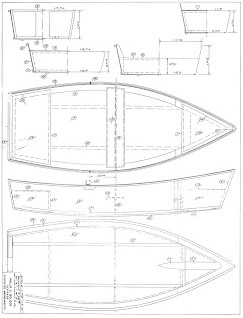
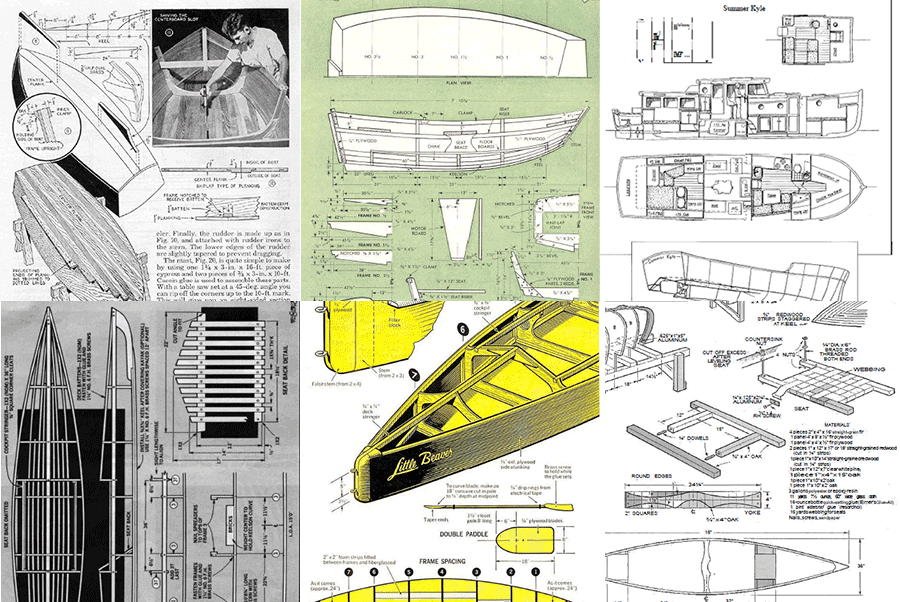
Every plan carries detailed diagrams, specifications and a materials list. The materials list is quietly the most useful page in any boat plan — it is what turns a drawing into a shopping trip.
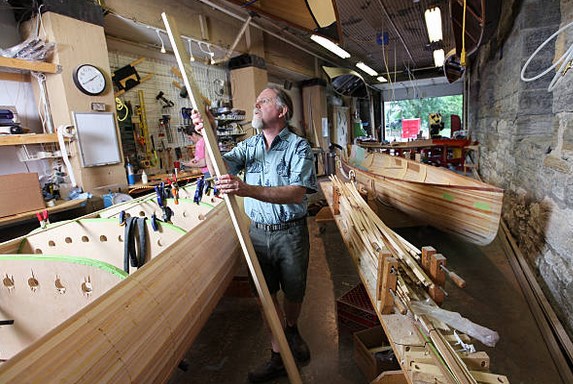
The videos cover the techniques that are hard to learn from a page: fillets, taping seams, fairing, and how a hull is supposed to look when it is going right.
The bonuses that earn their place
The safety and regulations material matters more in the US than builders expect. Hull identification, capacity plates and required equipment are not optional once the boat touches public water.
- 40+ videos, over 10 hours of boat building lessons from working builders.
- 3D boat design software, for drawing and modifying hulls.
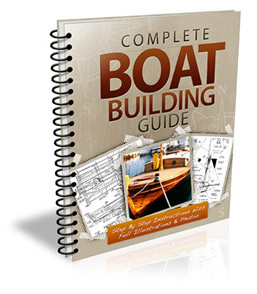
- Complete Boat Builder’s Guide, covering the general practice behind the individual plans.
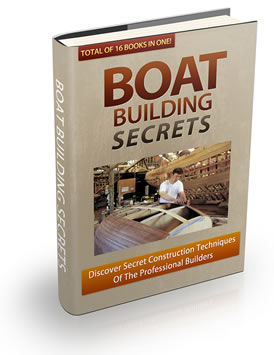
- Boat Building Secrets, techniques collected over three decades.
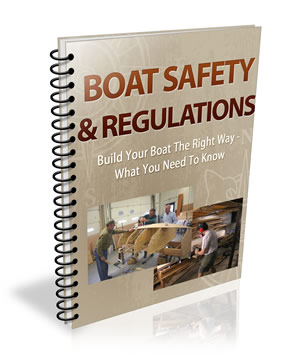
- Boat Safety Regulations Guide — the one people skip and then need, because a home-built boat still has to be registered and equipped.
How it is delivered
Instant download after purchase, everything in a members area. There is also a physical edition on DVDs and in print for anyone who would rather not download several gigabytes of plans.
New plans are added every month and are free for as long as you have access, so the library keeps growing after the one payment.
One payment of $47, with a 60-day money-back guarantee: if it is not what you wanted, you contact the author within 60 days for a full refund.
Where to start once you have it
Open the index, filter to kayaks and dinghies, and read three complete plans before choosing. Reading a plan end to end is the single habit that separates a finished boat from a stalled one.
Then measure your shop and your door, because the boat has to leave the room it is built in. Our guide to a first plywood boat has the realistic hours and the material bill to plan against.
And write your own cut list from the plan before you buy a sheet of plywood.
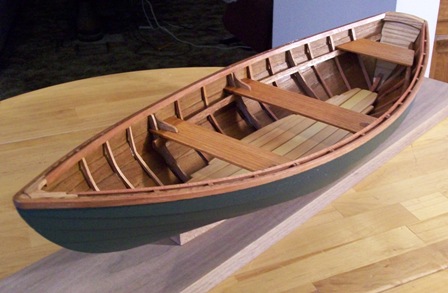
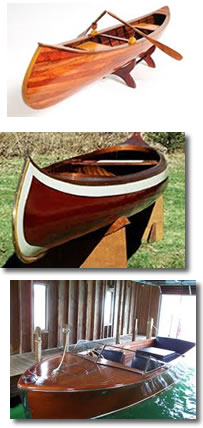
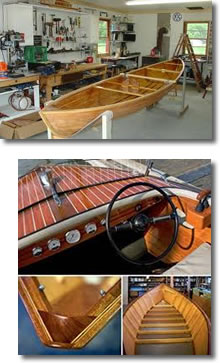
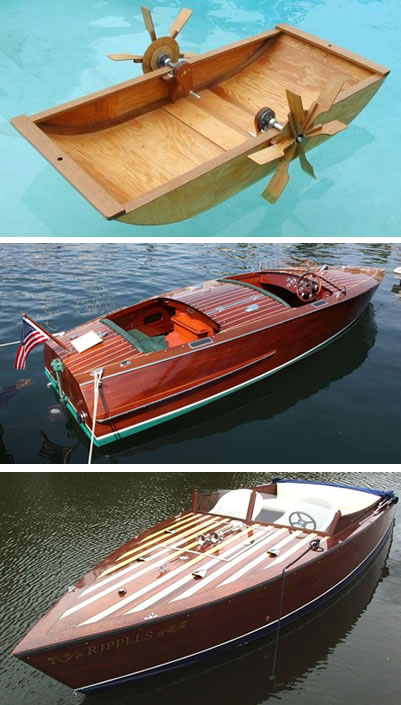
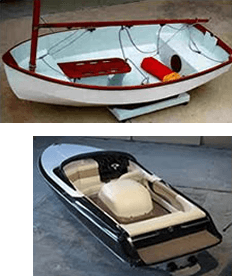
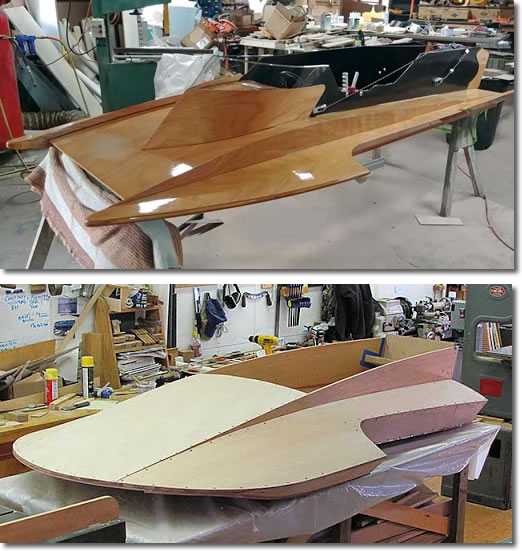
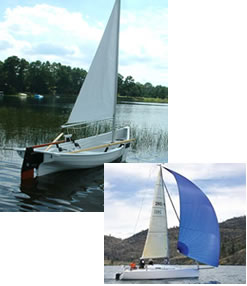
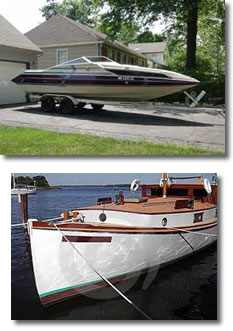
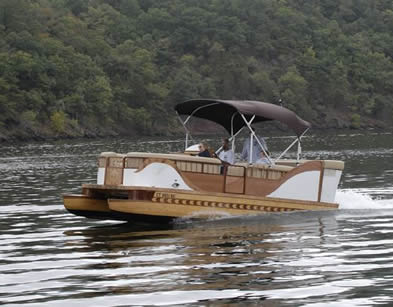
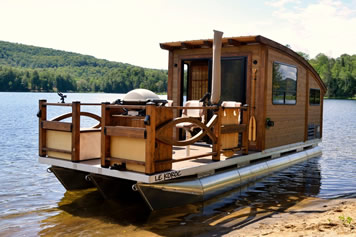
A look inside MyBoatPlans

Who gets the most from it
- You want to build a boat but have not settled on which one.
- You would rather compare fifty designs than commit to one drawing.
- You learn faster with video for the techniques and paper for the shape.
- You expect to build more than one boat over the years.
- You want the materials list and the build order, not only the lines.
FAQ
Is it suitable with no boat building experience?
Yes for the small stitch-and-glue and plywood designs, which is most of what a first-timer would pick. The plans carry step-by-step instructions and the videos cover the techniques.
What does it cost?
One payment of $47 as listed on the official page on September 28, 2026, with five bonuses included and a 60-day money-back guarantee.
Do I get the plans as files or on paper?
Instant download into a members area, with an optional physical edition on DVDs and in print.
Do new plans cost extra?
No. New plans are released monthly and are free for life to anyone with access.
What size boats are covered?
From small kayaks and prams up to houseboats and cabin cruisers, sorted into a searchable index by type.
Next step
If you have been circling boat building for a while, start by browsing the whole field instead of committing to one drawing.
Based on the author’s published sales page as of September 28, 2026: plan count, index structure, video hours, bonuses, delivery, monthly updates, price and refund terms are as stated there.