
Disclosure: this article contains affiliate links. If you buy through them, we may earn a commission at no extra cost to you. How this works.
Short answer
A moisture meter answers one question that nothing else can: is this board ready to cut? Wood keeps moving until its moisture content matches the room it lives in, and a meter tells you when it has stopped.
For furniture in a heated home, you are usually looking for something in the 6 to 8 per cent range. Lumber straight off an outdoor rack can be well into the teens.
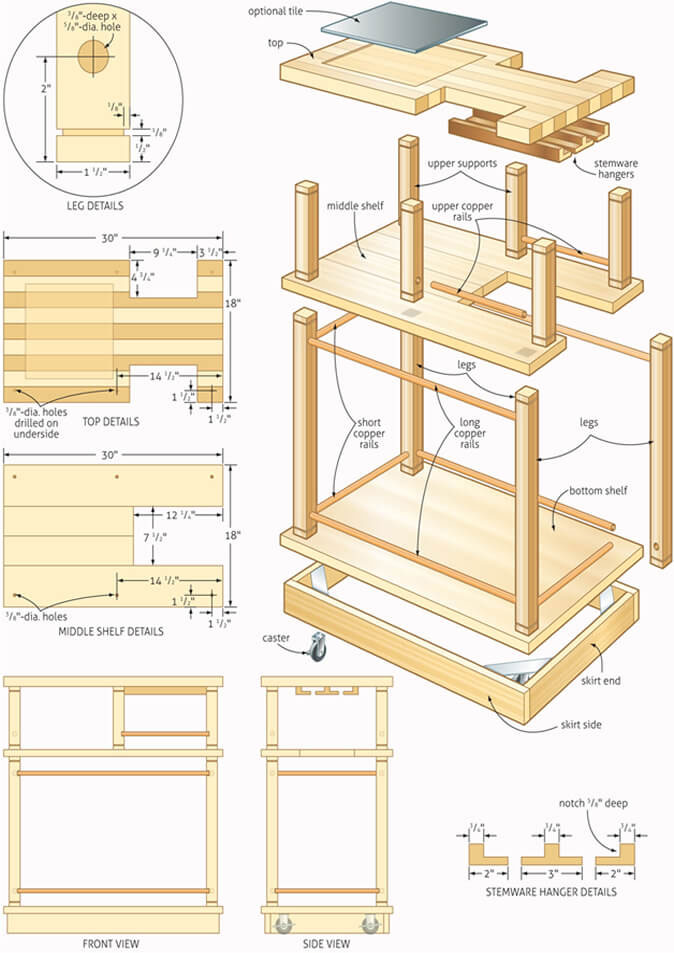
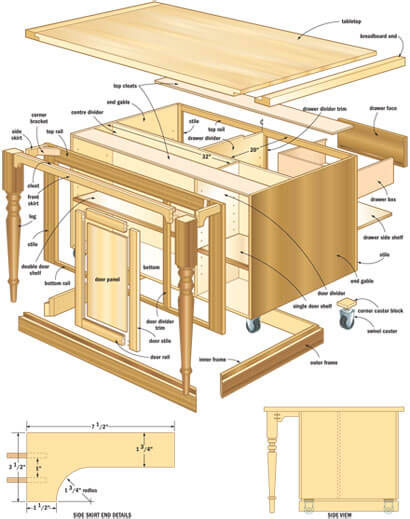
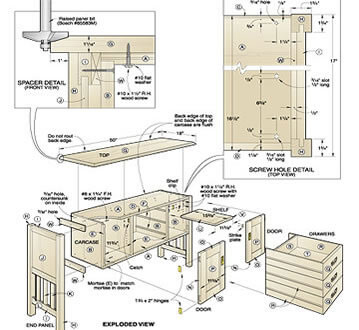
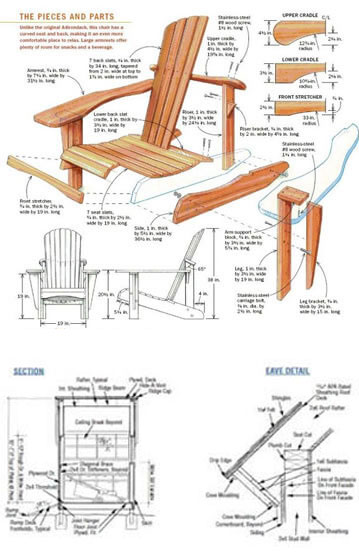
Plans with the materials list already worked out
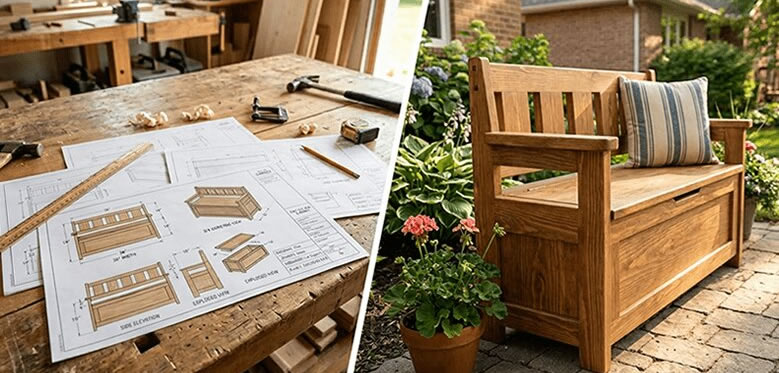
- 16,000 plans with step-by-step instructions, exact cut lists and materials lists
- Multi-angle drawings with exploded views of every joint
- Search by keyword or browse 100+ categories by difficulty
- New plans every month and a 60-day money-back guarantee
The four moments it earns its price
None of those are exotic situations. They are the ordinary life of anyone who buys wood that has not lived in their shop for a year.
- Buying rough lumber. Two boards on the same rack can differ by five points. Check before you pay, not after.
- Deciding when acclimation is done. Not a week on the calendar — two readings a few days apart that have stopped changing.
- Before a glue-up. Boards at different moisture contents move at different rates and pull a panel out of flat after assembly.
- Diagnosing a problem. A door that binds in summer, a panel that split, a top that cupped — the meter usually explains it in ten seconds.
Pin or pinless
For most home shops a pin meter is the sensible first buy: cheaper, and the pinholes land in stock you are about to machine anyway. A pinless meter earns its keep if you check finished pieces or veneered panels.
| Type | How it reads | Leaves marks | Good at | Weak at |
|---|---|---|---|---|
| Pin | Resistance between two pins | Yes, small holes | Depth control, rough stock, cheap | Finished surfaces, veneer |
| Pinless | Capacitance under a flat pad | No | Fast scanning, finished wood | Needs a flat surface, reads a fixed depth |
What the numbers mean
Moisture content is the weight of water as a percentage of the oven-dry weight of the wood. Green timber can be over 30 per cent; kiln-dried furniture stock is typically sold at 6 to 8.
The target is not a universal number — it is whatever your environment settles the wood at. A dry, heated house in winter pulls wood down toward 6; a humid coastal summer pushes it toward 11 or 12.
That is why the useful reading is not a single measurement but a trend. Two readings three days apart that match mean the board has stopped changing, and that is the moment to cut.
How to take a reading that means something
Write the readings and the date on the board in pencil. Trend beats a single number, and you will not remember what it said last Tuesday.
- Measure a fresh face, not the end. Ends dry faster and read low.
- Take several readings along the board and across its width, not one.
- For thick stock, a pin meter with insulated pins reads at a chosen depth; the core is wetter than the face.
- Check a few boards in the stack. A pile is rarely uniform.
- Let a cold board warm up to shop temperature first — temperature affects the reading.
Species correction
Resistance meters are calibrated for a reference species, usually Douglas fir. Dense tropical timbers and some domestic hardwoods read several points off without correction.
Better meters have a species setting or a correction chart. Using it is the difference between a reading and a guess, especially on oak, maple and anything oily.
Temperature correction matters too, though less in a heated shop. If you are reading boards that came in from a cold truck, wait.
What it does not tell you
It does not tell you the board is flat, or that the drying was done well. Wood dried too fast can be at a perfect 7 per cent and full of internal stress, which shows up as a rip cut that closes on the blade or opens like a banana.
It does not predict how much the board will move. That depends on the species and the cut — see wood movement for the figures and why quartersawn stock moves about half as much as flatsawn.
And it does not replace storing wood properly. Sticker the pile with air on all four faces, in the room the finished piece will live in. The meter tells you when that job is done.
Where it sits among the other tools
It is a measuring instrument, and it belongs in the same drawer as the caliper and the square rather than with the power tools — the group covered in our beginner tool list.
If you only buy surfaced hardwood from a supplier who kiln-dries and stores indoors, you can go a long time without one. The moment you buy rough stock, air-dried lumber or anything off a marketplace listing, it pays for itself on the first board.
Same for anyone building outdoors furniture or a boat, where the wood starts wetter and the consequences of guessing are larger.
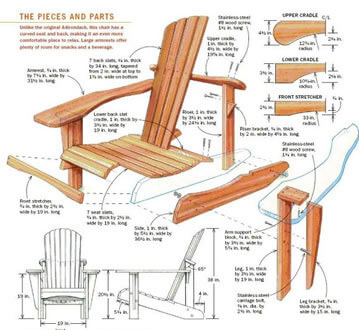
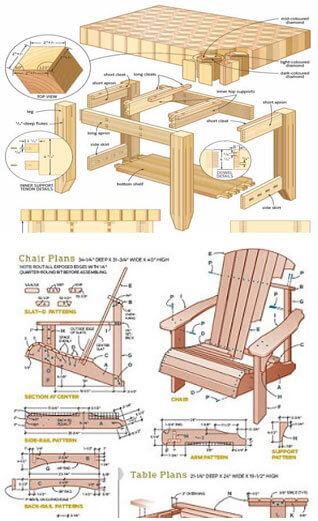
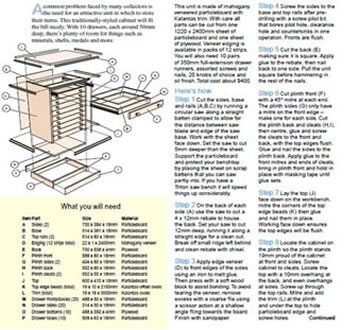
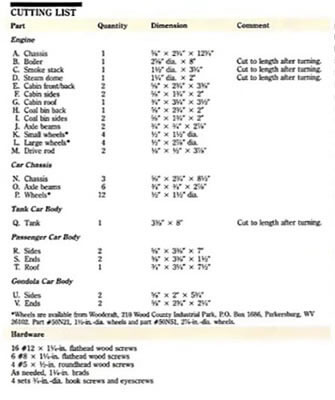
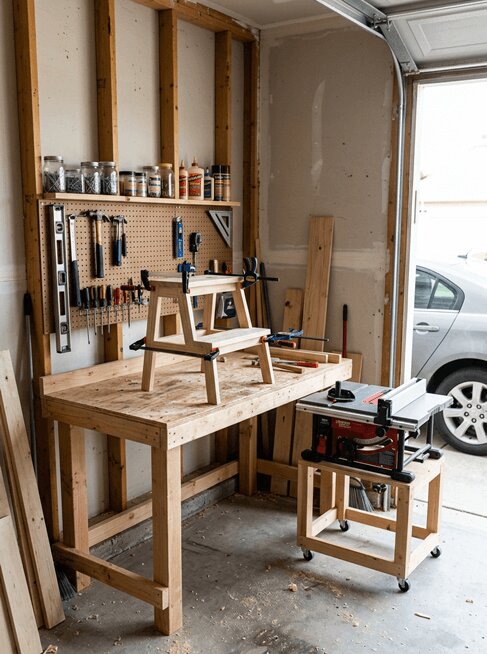
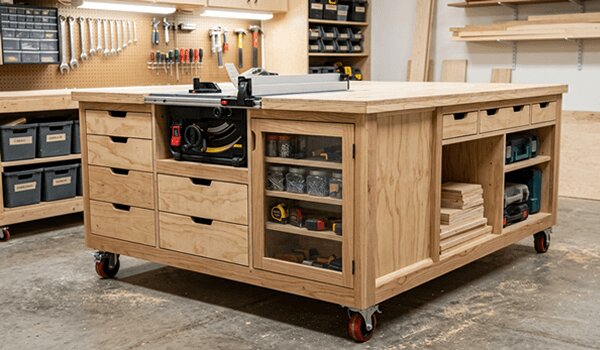
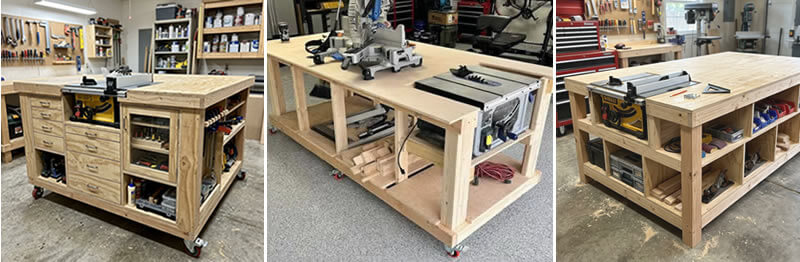
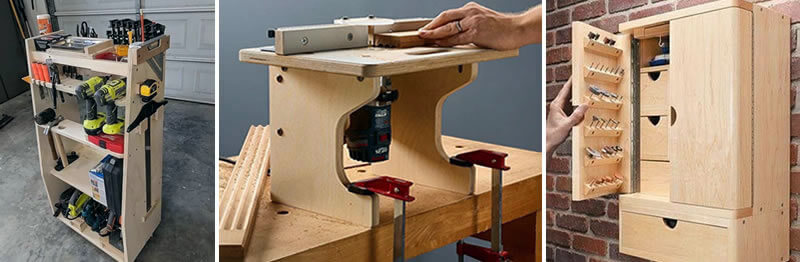
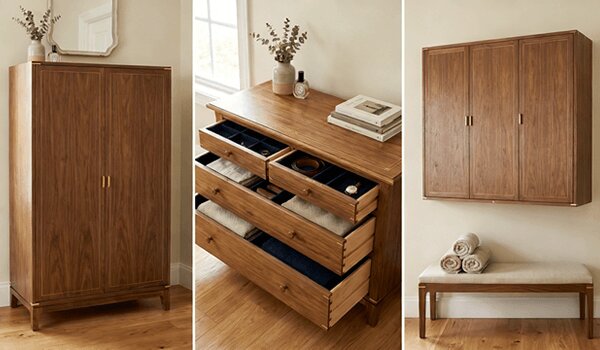
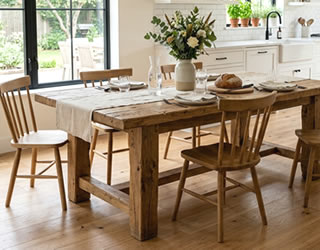
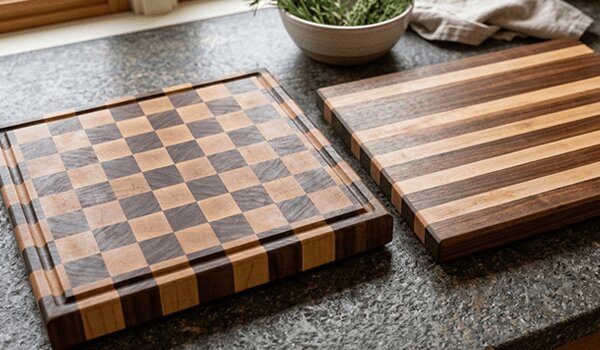
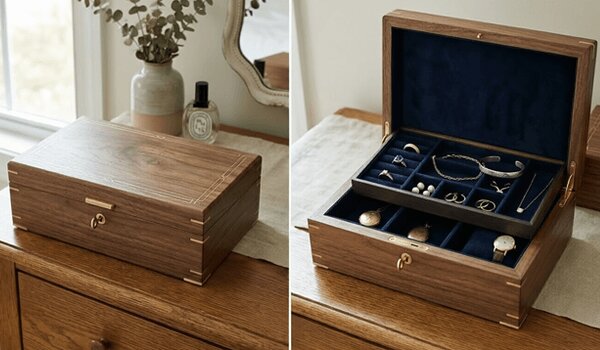
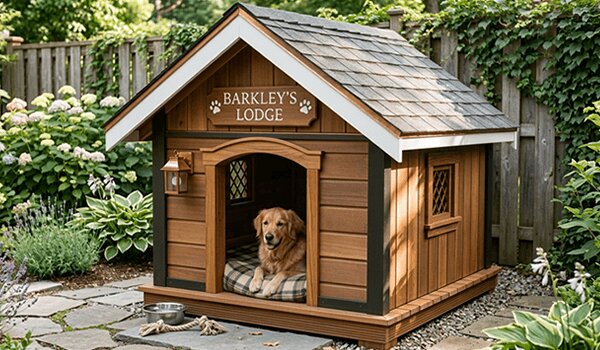
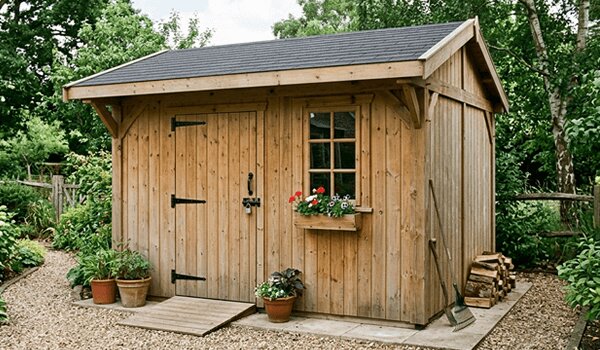
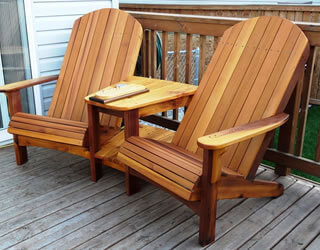
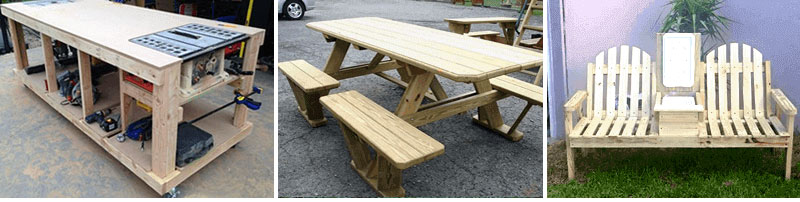
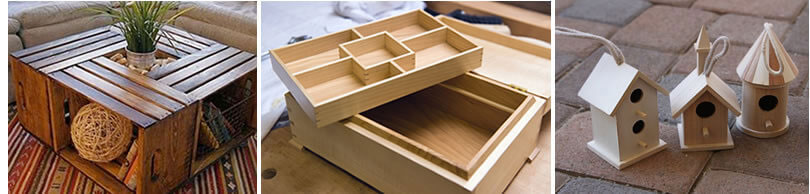
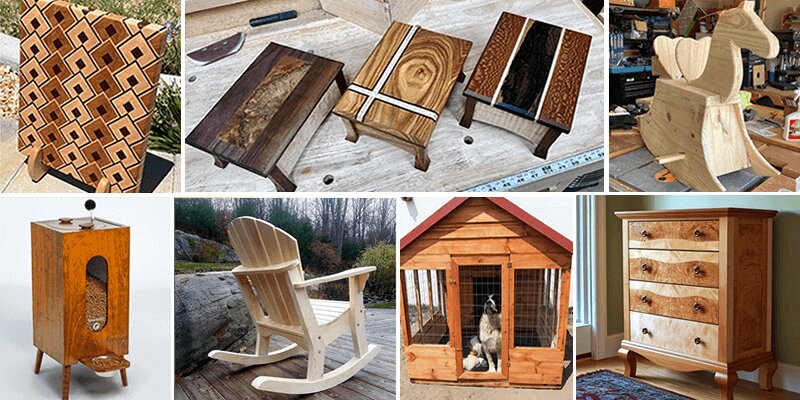
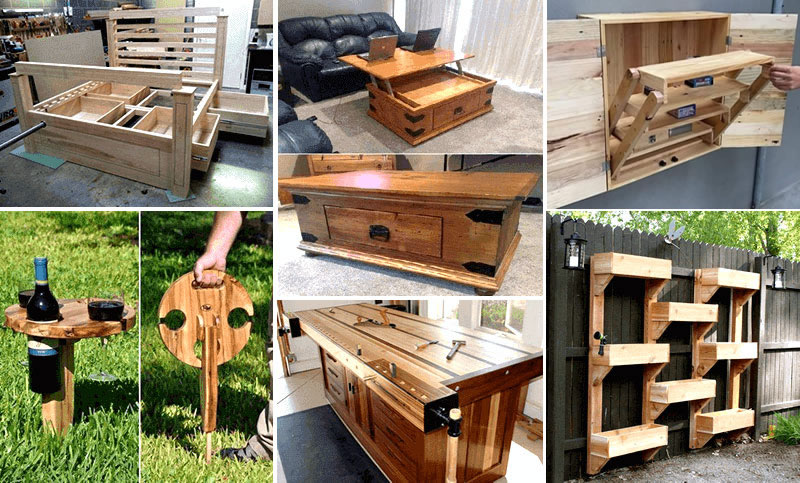
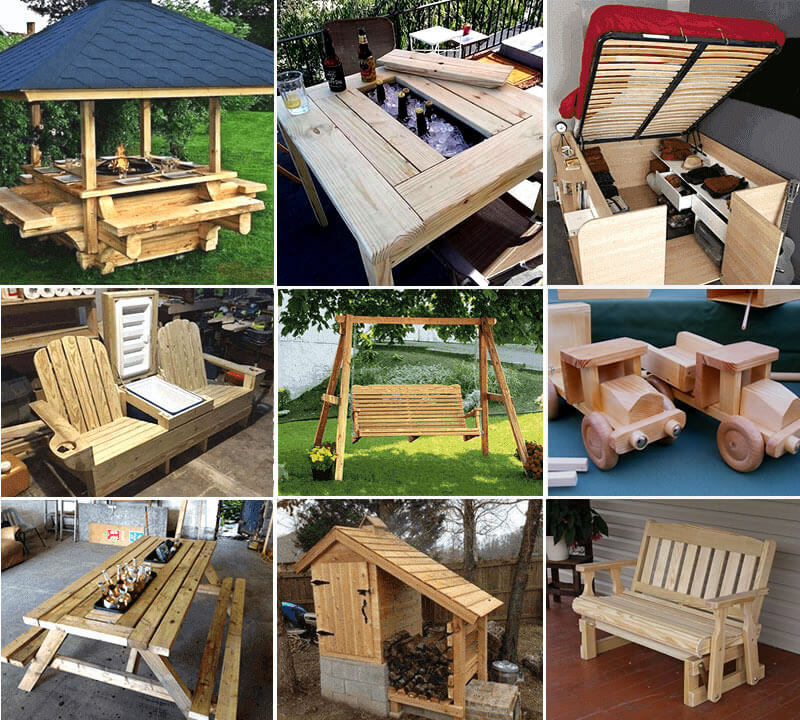
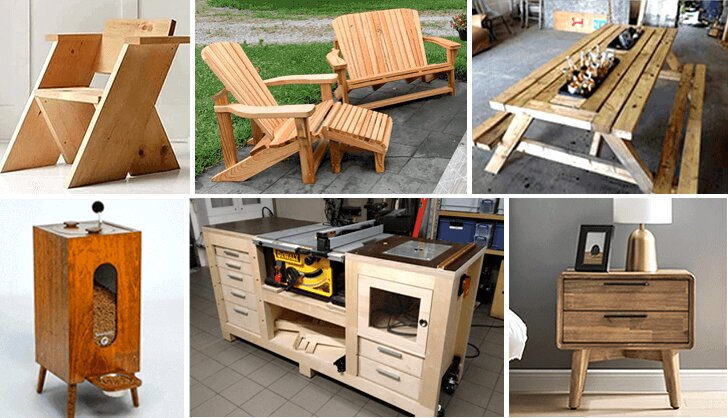
Once the wood is ready, the next question is what to make from it. TedsWoodworking has 16,000 plans, each with an exact cut list and a complete materials list, so you know exactly what to buy before the first reading.
A look inside TedsWoodworking








FAQ
What moisture content should furniture wood be?
Usually 6 to 8 per cent for a heated interior, but the real target is whatever your own shop and home settle the wood at.
Do pinholes matter?
Only on finished or veneered surfaces. On rough stock they disappear in the first pass through a planer.
How long does lumber take to acclimate?
A week is a sensible minimum for surfaced stock; rough or thick boards take much longer. The meter replaces the guess.
Are cheap meters accurate enough?
For relative readings and trends, yes. For absolute accuracy on dense or exotic species, species correction is what separates the useful ones.
Next step
Next time you bring lumber home, take a reading on the day it arrives and again three days later. When the two match, the wood is ready.
Based on standard practice for measuring wood moisture content: resistance and capacitance meter behaviour, species and temperature correction, and the equilibrium moisture content typical of heated interiors. Product details for TedsWoodworking are from the vendor’s published offer page as of September 28, 2026.