
Disclosure: this article contains affiliate links. If you buy through them, we may earn a commission at no extra cost to you. How this works.
Short answer
Epoxy basics come down to four things: mix by the stated ratio, work in the right temperature, know which filler turns it into glue and which turns it into fairing compound, and wash the blush off before you sand.
Get those right and epoxy is forgiving. Get the ratio wrong and nothing later in the build can rescue it.
518 boat plans with cutting patterns and materials lists
- 518 boat plans with step-by-step instructions, cutting patterns and materials lists
- 40+ boat building videos, over 10 hours
- 3D boat design software and a 600-page boat builder’s guide included
- Instant access and a 60-day money-back guarantee
Ratio is not a suggestion
Unlike polyester resin, where more hardener means faster, epoxy has a fixed stoichiometric ratio. Extra hardener does not speed it up; it leaves unreacted molecules in the cured plastic and a joint that never reaches full strength.
Use the manufacturer’s metering pumps, one full stroke of each, or weigh it on a scale. Eyeballing it in a cup is the single most common first-boat mistake.
Mix for the full time the maker states, usually a minute or two, scraping the sides and the bottom of the pot. Unmixed resin clinging to the wall of the cup is where sticky patches come from.
Fillers change what epoxy is
The practical kit for a first boat is silica, wood flour and microballoons. Those three cover bonding, filleting and fairing.
| Filler | Mix to | What it becomes | Use for |
|---|---|---|---|
| None | Liquid | Coating resin | Wetting out wood and glass |
| Colloidal silica | Mayonnaise | High-strength, non-sagging glue | Structural bonds, tight joints |
| Wood flour | Peanut butter | Strong, wood-coloured paste | Fillets, gap filling |
| Microballoons | Peanut butter | Light, easy-sanding compound | Fairing only, never structural |
| Chopped fibre | Thick paste | Very high strength | High-load bonds |
Fillets, the joint that holds a stitch-and-glue boat together
A fillet is the curved bead of thickened epoxy along an inside corner. It spreads the load off the sharp joint line and gives the fibreglass tape a radius it can lie into without bridging.
Mix to a peanut-butter consistency with wood flour, lay a bead into the corner, then pull a rounded tool — a spoon, a plastic spreader cut to a radius — along it in one smooth stroke. Then clean the excess off both sides before it goes hard.
Radius matters: too small and the tape bridges and traps air; a radius roughly three times the panel thickness is a sensible starting point unless the plan says otherwise.
Tape while the fillet is still tacky where the plan allows it. Chemical bonding to a green fillet is stronger than mechanical bonding to a sanded one.
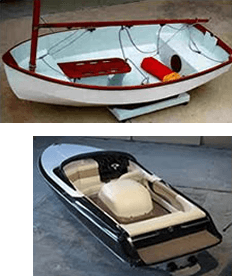
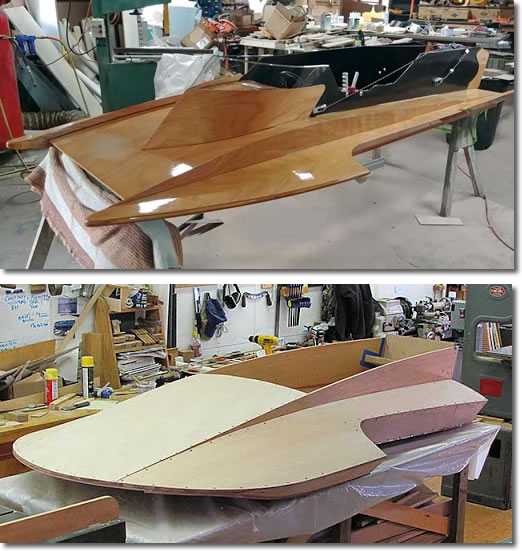
The plan tells you far more than the fillet size: it decides the building method, and the method decides how much of the boat is epoxy work. If you are still choosing one, MyBoatPlans has 518 illustrated, step-by-step plans with cutting patterns and material lists, covering stitch and glue, plank on frame and lapstrake, plus more than 40 how-to videos.
Wetting out glass
- Lay the dry cloth on the surface and smooth it before any resin goes near it.
- Pour unthickened epoxy into the middle and spread it out with a plastic squeegee, working the air out toward the edges.
- The cloth is wetted out when the weave goes transparent. White patches are dry spots and are weak.
- Resist adding more resin to make it look shiny. Excess resin adds weight and brittleness, not strength.
- Additional fill coats go on after, once the first coat has gone tacky but not hard.
Temperature, pot life and the clock
Most epoxies want the shop at roughly 60 °F or above. Below that the reaction slows or stalls, and the surface may stay tacky indefinitely.
Heat cuts working time sharply. The same mix that gives you 25 minutes at 70 °F may give you ten at 85 °F, and it accelerates itself: a full pot generates heat, which speeds the reaction, which generates more heat.
Two habits fix most of it. Mix smaller batches than you think you need, and pour the mix into a wide, shallow tray rather than leaving it in a deep cup — spreading it out lets the heat escape and buys back working time.
Hardeners come in speeds. Use slow hardener in summer and for big glue-ups, fast in a cold shop for small jobs.
Amine blush
Many epoxies leave a waxy film on the surface as they react with moisture in the air. It is invisible, it clogs sandpaper, and nothing sticks to it — including the next coat of epoxy.
Wash it off with warm water and an abrasive pad before sanding, then dry the surface. If you sand first, you grind the blush into the scratches and the problem gets worse.
A simple test: the surface feels slightly slick, and water beads unevenly. When in doubt, wash. It costs five minutes and prevents a delamination you would find out about a year later.
Working safely and cleanly
Epoxy sensitisation is cumulative and permanent: people who handle it carelessly for years can reach a point where they cannot be near it at all. Nitrile gloves every time, long sleeves, and never clean your hands with solvent — it drives the resin into the skin.
Sanding cured epoxy makes fine dust that belongs in a vacuum and behind a respirator; the setup in dust collection for a small shop covers it.
Plan the session before you mix: everything within reach, gloves on, waste container open. Epoxy does not pause while you go and look for a squeegee — which is the practical half of what a first plywood boat actually takes.
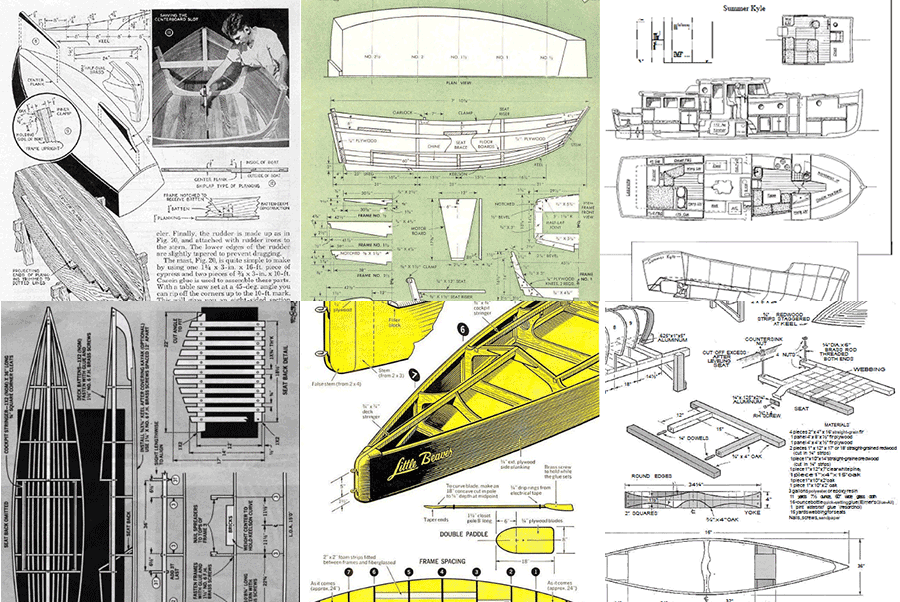
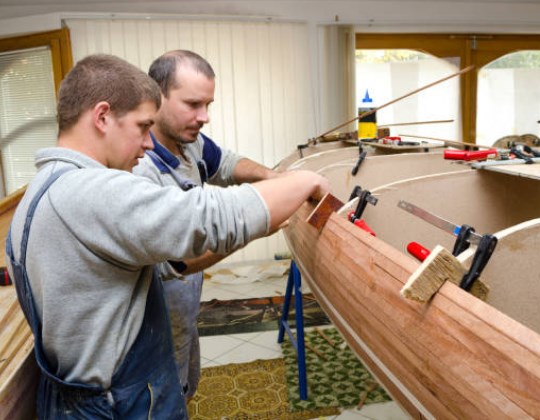
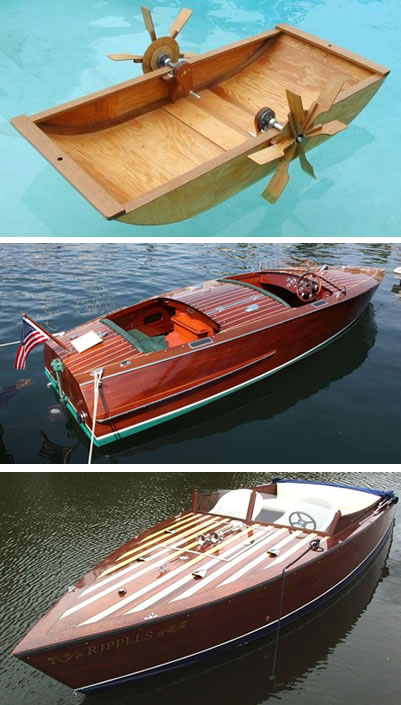
A look inside MyBoatPlans


















FAQ
Can I add more hardener to speed it up?
No. The ratio is fixed by chemistry. To go faster, use a fast hardener or warm the shop.
What if my epoxy stays tacky?
Almost always an off-ratio mix, bad mixing or too cold a shop. The honest fix is to scrape it off and redo the area.
Do I have to wash off blush every time?
Wash before any sanding, and before any coat that goes on after the previous one has fully hardened. Between coats applied green, it is not an issue.
How long before I can sand?
Most systems reach a sandable hardness overnight at room temperature and full strength in a few days to a week.
Next step
Before your next epoxy session, check the shop temperature, set out pumps or a scale, and mix a small test batch on a scrap to confirm it hardens properly. Still choosing the boat? Start with the plan.
Based on standard marine epoxy practice and on manufacturer guidance for mix ratios, filler selection, fillet radius, wet-out, amine blush removal, pot life and application temperature. Product details for MyBoatPlans are from the author’s published sales page as of September 28, 2026.