
Disclosure: this article contains affiliate links. If you buy through them, we may earn a commission at no extra cost to you. How this works.
Short answer
Good chicken coop plans start with the flock size: about 3 to 4 square feet per bird inside the coop when the hens also have a run, one nest box for every four or five hens, and roost bars set higher than the nest boxes.
Then come the details that decide whether a coop works: vents high on the walls, hardware cloth over every opening, latches a raccoon cannot open, and a door wide enough to clean it easily.
Animal and outdoor plans with complete materials lists
- 16,000 plans with step-by-step instructions, exact cut lists and materials lists
- Multi-angle drawings with exploded views of every joint
- Search by keyword or browse 100+ categories by difficulty
- New plans every month and a 60-day money-back guarantee
Size the coop to the flock
| Item | Common guidance | Notes |
|---|---|---|
| Floor space inside | 3 to 4 sq ft per bird | When the flock also has a run; 8 to 10 sq ft per bird with no outdoor access |
| Run space | About 10 sq ft per bird | More is better; crowded hens peck at each other |
| Roost bar | 6 to 10 in per bird | Hens huddle together in cold weather and spread out in heat |
| Nest boxes | 1 per 4 or 5 hens | About 12 x 12 in each for standard-size hens |
Roosts and nest boxes
Chickens sleep on a perch, not on the floor. Use a 2×4 laid flat or a sturdy branch, set higher than the nest boxes — hens sleep at the highest spot available, and if that is the nest box, they will soil it. Leave enough space between bars that birds on one do not sit right above those on another.
Put the nest boxes in a darker, quieter corner, a little off the floor, with a lip at the front to hold the bedding in. An access door from outside lets you collect eggs without walking into the coop.
Ventilation without drafts
A closed box full of chickens gets damp and smells of ammonia quickly, and in winter, moisture in the air is a bigger risk to combs than the cold itself.
Put vents high on the walls, under the eaves, so warm, moist air escapes above the birds’ heads. Screen every vent with hardware cloth. Windows help in summer, but keep the roost area free of drafts at night.
Predator-proofing
- Use 1/2-inch galvanized hardware cloth, not chicken wire, on every window, vent and run wall. Chicken wire keeps chickens in; it does not keep raccoons out.
- Bury an apron of hardware cloth around the run, about 12 inches down or laid 12 inches out flat under the soil, to stop digging predators.
- Fit two-step latches — a carabiner clip through a hasp works well. Raccoons can open simple hooks and slide bolts.
- Many predators hunt at night, so close the pop door every evening.
- Cover the run with a roof or netting if hawks are common in your area.
Floor, foundation and cleaning
A coop raised a foot or two on legs or skids stays dry, keeps rodents from nesting underneath and gives the hens shade. Set it on solid, level blocks, as you would a small shed; the options are the same as in shed foundation options.
Plan for cleaning from the first sketch: a large people door or a wall that swings open, a floor you can scrape, and bedding such as pine shavings. A coop that takes ten minutes to clean gets cleaned; one that takes an hour gets put off.
Roof and weather
A single-slope roof falling away from the door is the simplest to build and sheds rain away from the entrance. A gable roof gives more headroom and room for vents in the gable ends. The trade-offs between styles are covered in shed roof styles.
Overhang the eaves by a few inches so rain does not run down the walls, and paint or stain the outside to protect the wood.
Check the local rules first
Many towns limit how many hens you can keep, ban roosters, or set how far a coop must sit from the property line. Check the local rules and any HOA covenants before you build, and talk to the neighbors — a few fresh eggs go a long way.
Build it from a plan
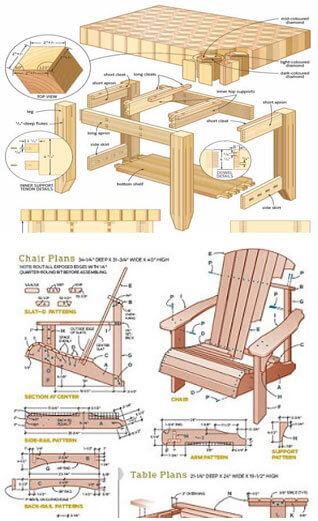
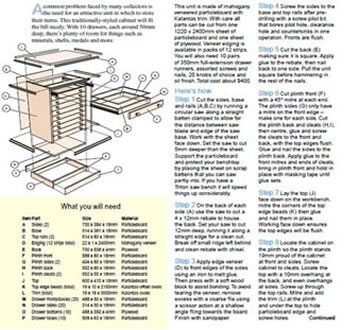
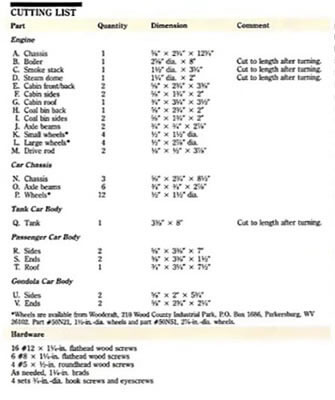
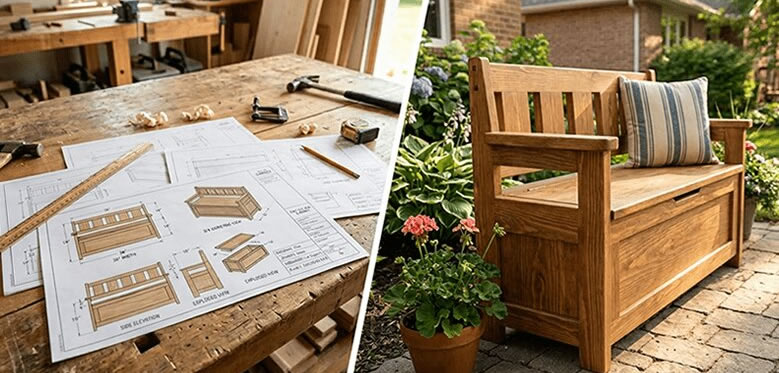
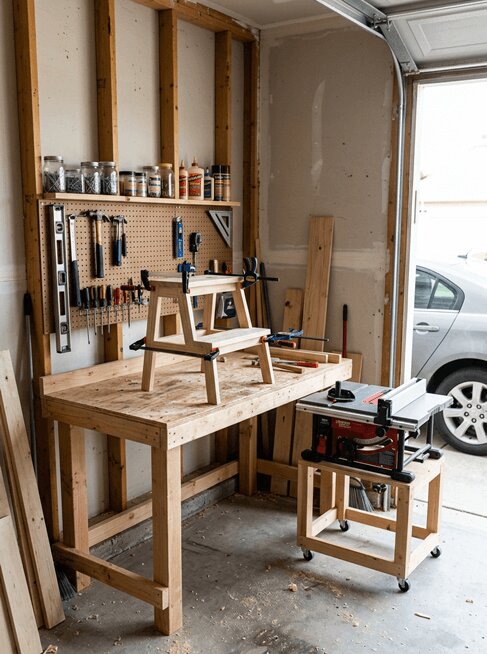
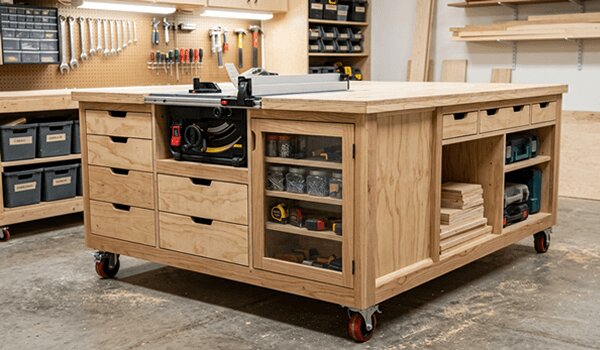
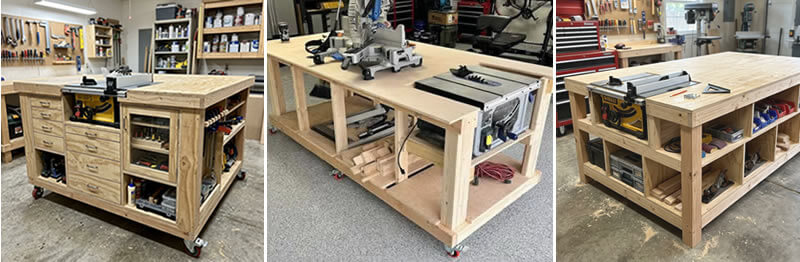
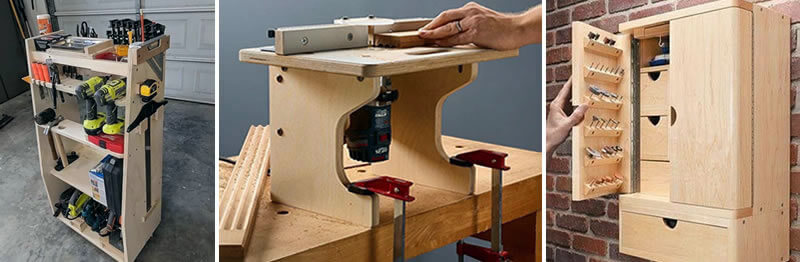
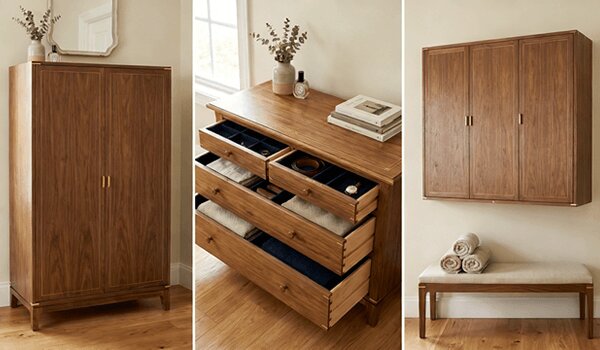
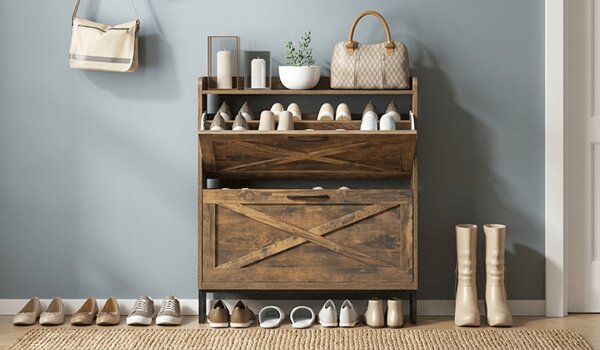
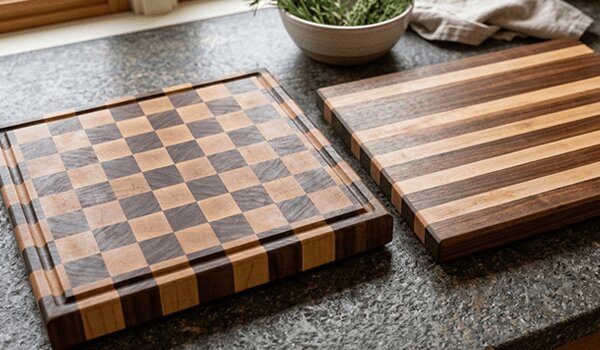
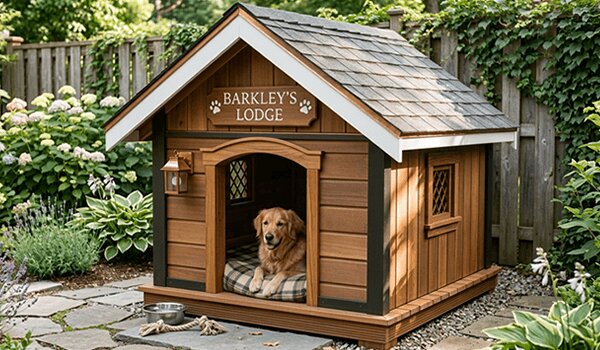
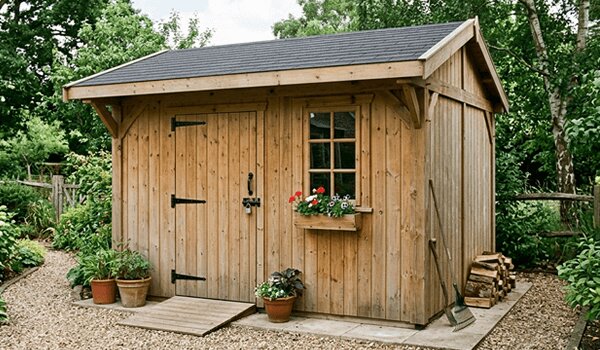
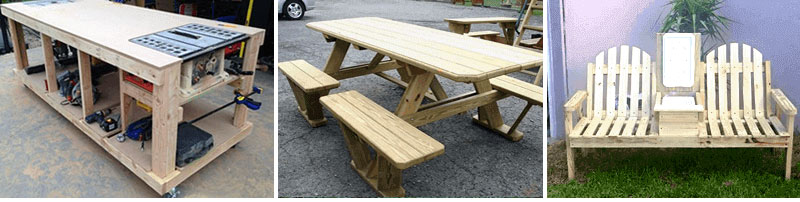
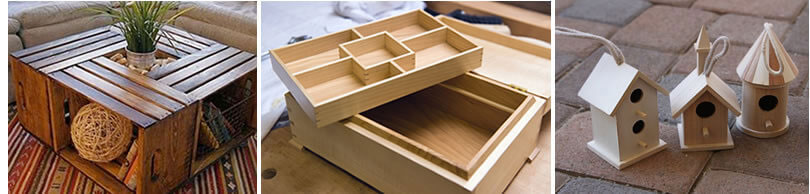
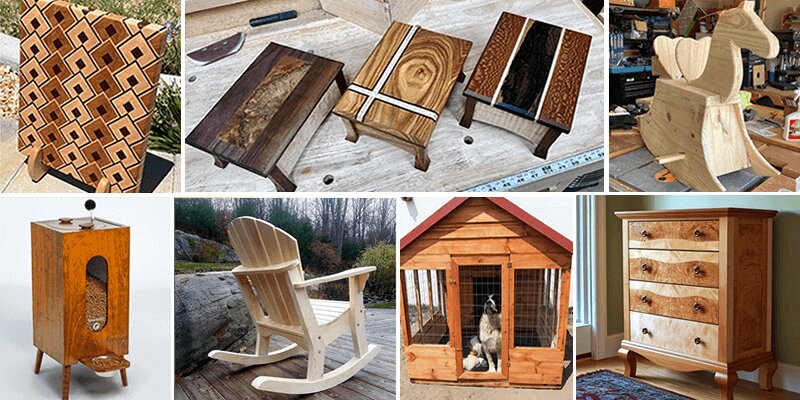
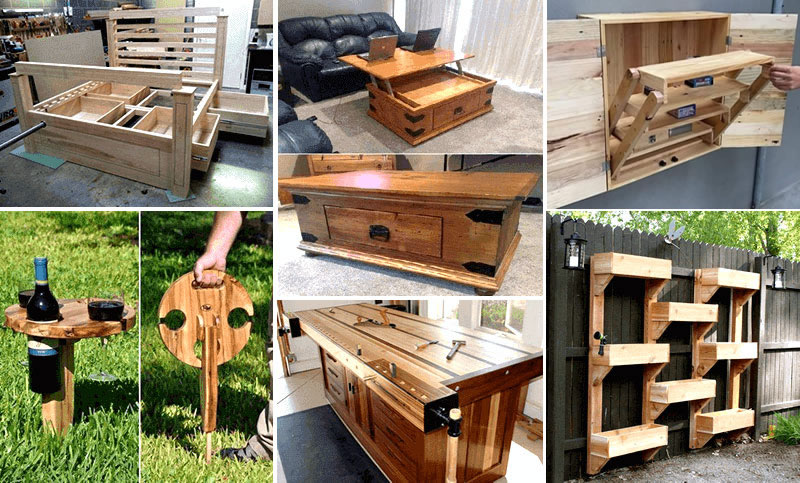
TedsWoodworking lists more than 800 plans in its Animal & Pet category and more than 1,700 in Buildings & Shelters, and every plan in the 16,000-plan library comes with step-by-step instructions, an exact cut list and a complete materials list.
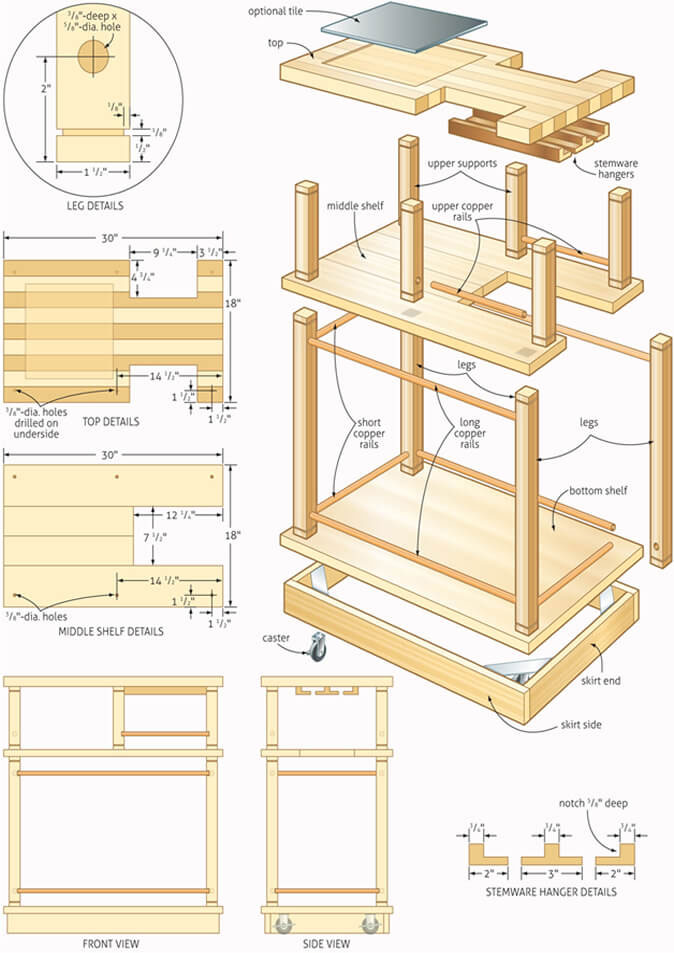
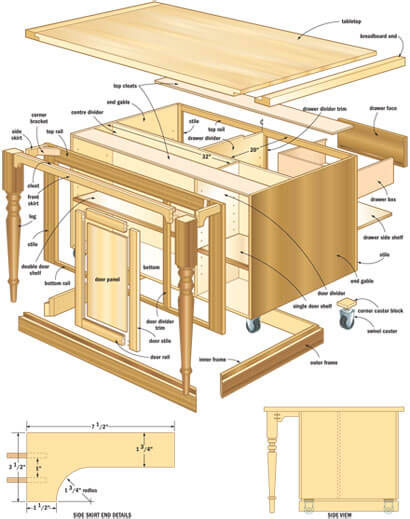
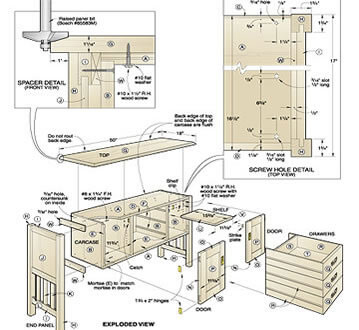
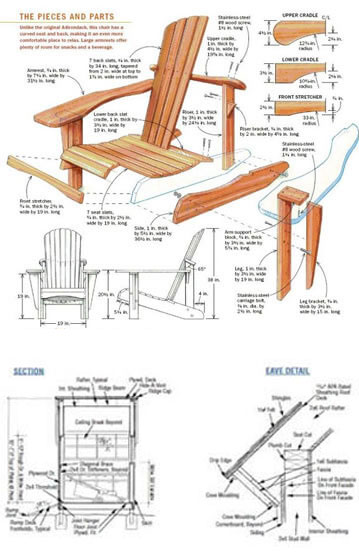
A look inside TedsWoodworking












FAQ
How big should a chicken coop be for 6 chickens?
About 18 to 24 square feet inside the coop, plus about 60 square feet of run, using common guidance of 3 to 4 square feet per bird inside and about 10 in the run.
How many nest boxes do I need?
One for every four or five hens. Hens often share a favorite box anyway.
Should a chicken coop be off the ground?
Raising it a foot or two keeps the floor dry, discourages rodents and gives the hens shade underneath.
What is the best wire for a chicken coop?
1/2-inch galvanized hardware cloth. Chicken wire does not stop raccoons or other determined predators.
Next step
Count your planned flock, multiply by 4 square feet, and sketch the coop floor to that size before you choose a plan.
Based on common extension-service guidance on space, roosts and nest boxes for backyard hens, and standard predator-proofing practice. Product details for TedsWoodworking are from the vendor’s published offer page as of September 29, 2026.