Disclosure: this article contains affiliate links. If you buy through them, we may earn a commission at no extra cost to you. How this works.
Short answer
The most important detail in any set of birdhouse plans is the entrance hole: 1 1/2 inches for eastern bluebirds, 1 3/8 for tree swallows, 1 1/8 for chickadees and 1 inch for house wrens. Build the box from untreated wood at least 3/4 inch thick, with drainage and ventilation holes, no perch, and a side that opens for cleaning.
Mount it at the height the species prefers, add a predator baffle, and put it up before nesting season.
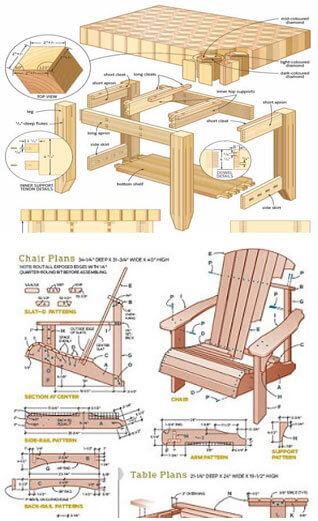
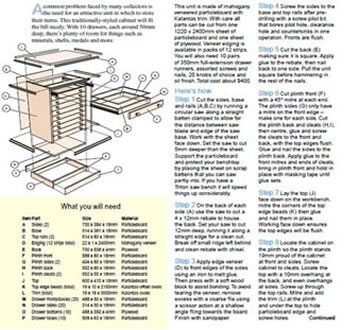
Outdoor project plans with exact cut lists
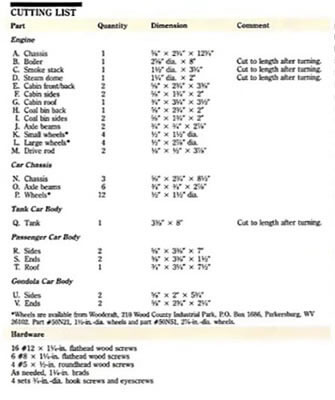
- 16,000 plans with step-by-step instructions, exact cut lists and materials lists
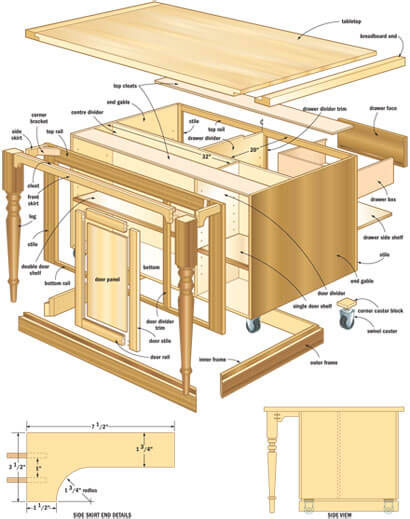
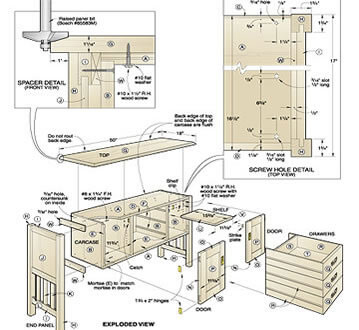
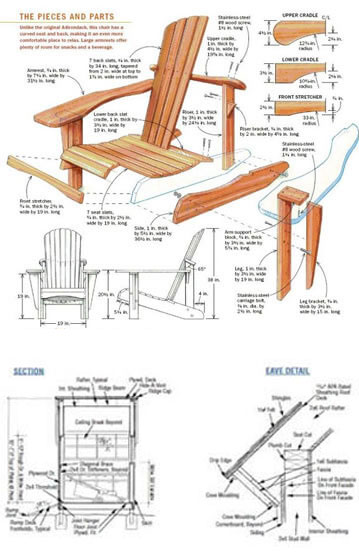
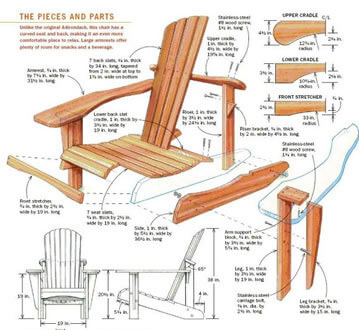
- Multi-angle drawings with exploded views of every joint
- Search by keyword or browse 100+ categories by difficulty
- New plans every month and a 60-day money-back guarantee
Match the box to the bird
| Species | Entrance hole | Floor | Inside depth | Mount height |
|---|---|---|---|---|
| Eastern bluebird | 1 1/2 in | 5 1/2 x 5 1/2 in | 9 in | 4 to 6 ft |
| Tree swallow | 1 3/8 in | 5 1/2 x 5 1/2 in | 9 in | 5 to 6 ft |
| Black-capped chickadee | 1 1/8 in | 5 1/2 x 5 1/2 in | 8 in | 5 to 15 ft |
| House wren | 1 in | 5 1/2 x 5 1/2 in | 8 in | 5 to 10 ft |
Features every good birdhouse has
- Untreated, unpainted wood such as cedar, pine or cypress, with walls at least 3/4 inch thick to insulate the nest.
- A sloped roof that overhangs the front by 2 to 4 inches and the sides by 2 inches.
- At least four drainage holes, 3/8 to 1/2 inch across, in the floor.
- Two 5/8-inch ventilation holes near the top of each side wall.
- A rough inside wall below the entrance — a few shallow horizontal saw cuts, like a small ladder — so young birds can climb out.
- No perch. Cavity-nesting birds do not need one, and it helps predators.
- A hinged side for cleaning and monitoring, and galvanized screws throughout.
How to build a basic box
- Cut the front, back, two sides, floor and roof from a cedar 1×6; one board is usually enough for one box.
- Drill the entrance hole with a spade bit or hole saw of exactly the right size — an eighth of an inch decides which birds can get in.
- Score the inside of the front below the hole before assembly, while it is easy to reach.
- Recess the floor slightly inside the walls so rain runs off the edges rather than into the box, and drill the drainage holes.
- Fasten one side with a pivot screw near the top of each edge and a removable screw or nail at the bottom, so it swings open for cleaning.
- Assemble with galvanized screws and leave the wood unfinished.
Where to mount it
For bluebirds and swallows, a metal pole with a baffle below the box is the safest mount; boxes on trees and fences are easier for climbing predators to reach. Cone and stovepipe baffles are the common choices. NestWatch suggests facing bluebird boxes east, toward open habitat.
Spacing matters too. Bluebirds and tree swallows compete for the same boxes, and NestWatch suggests pairing boxes 15 to 20 feet apart, with pairs about 300 feet from each other, so each species can claim one.
Timing and cleaning
Put boxes up by late winter or early spring, before the birds start choosing sites. Clean out the old nest as soon as a brood has fledged, so the box is ready for a second nesting, and give it a full clean at the end of the season.
Keep a simple notebook of what moves in and when. After a season or two, you will know which boxes and which spots your birds prefer.
A perfect first project
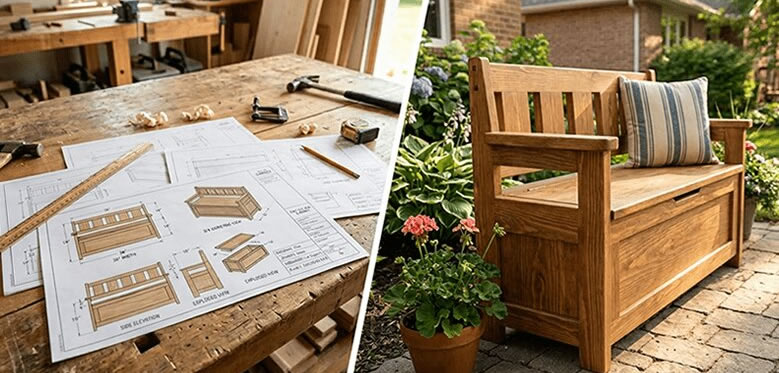
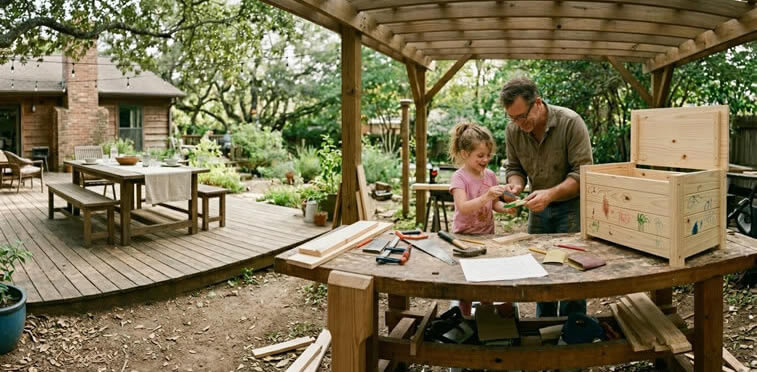
A birdhouse is one of the best first builds for a beginner or a child: a handful of straight cuts, one hole and a real purpose. It pairs well with the projects in beginner woodworking projects for a weekend and woodworking projects for kids.
Plans for the next build
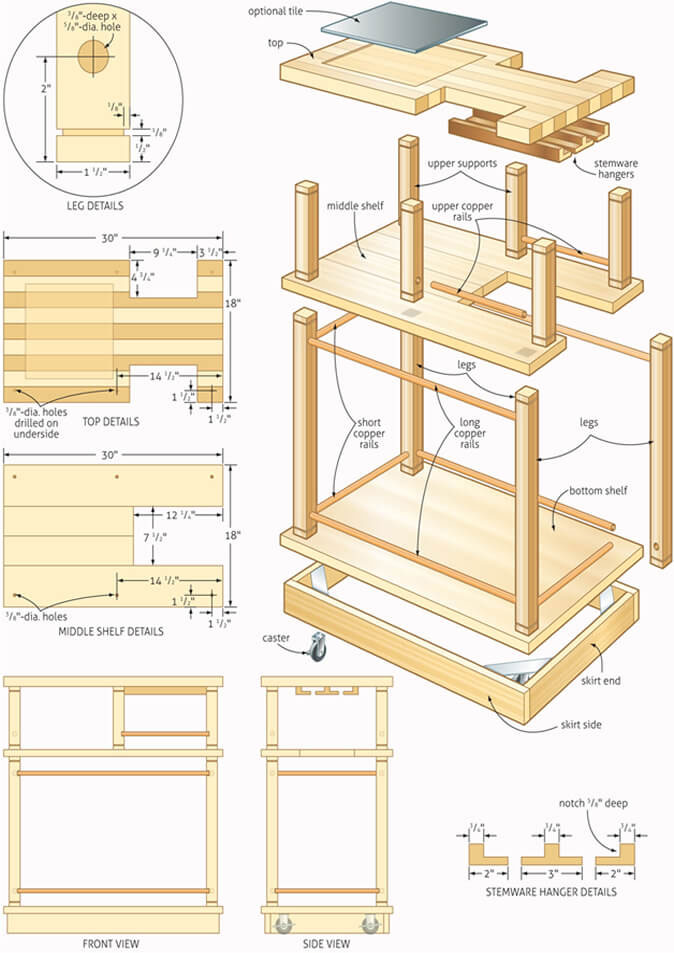
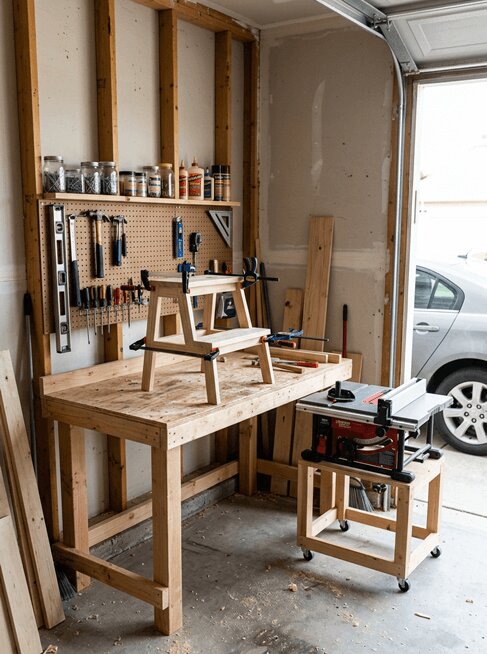
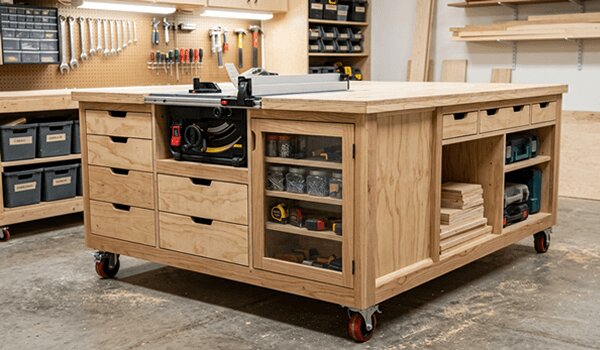
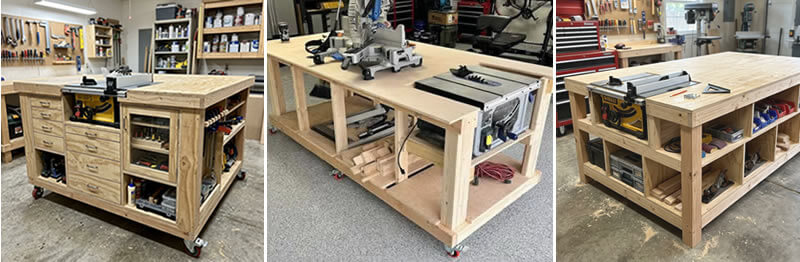
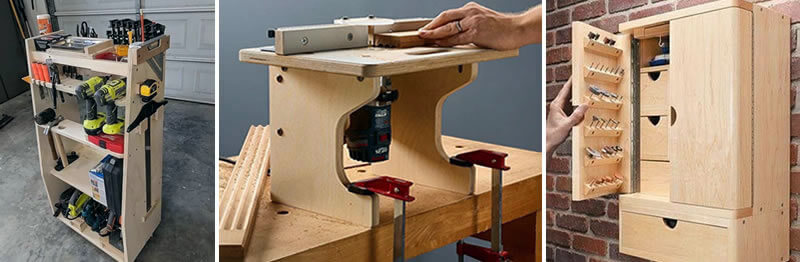
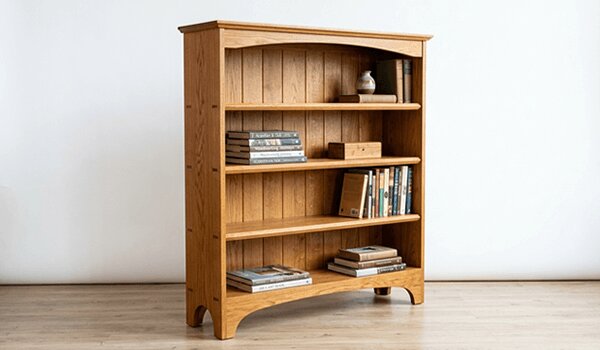
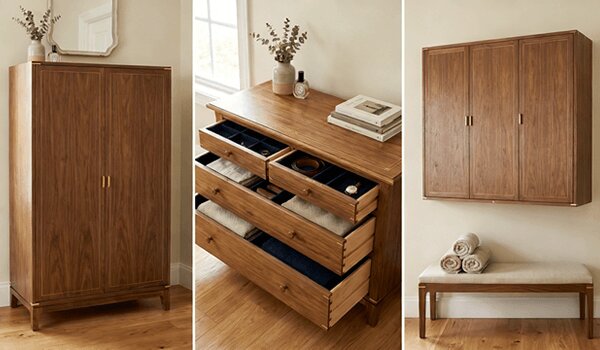
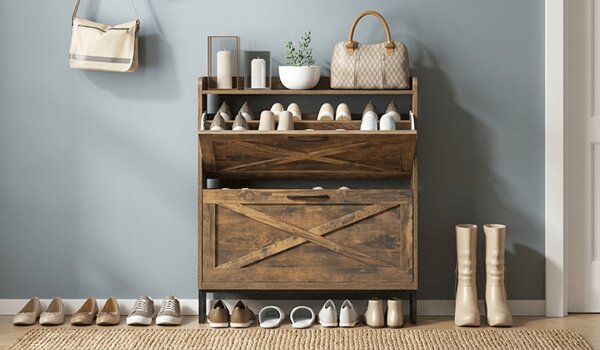
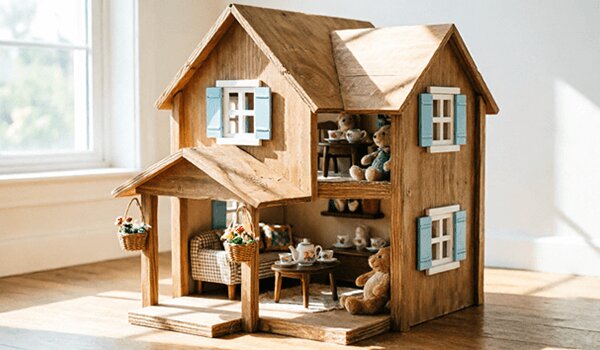
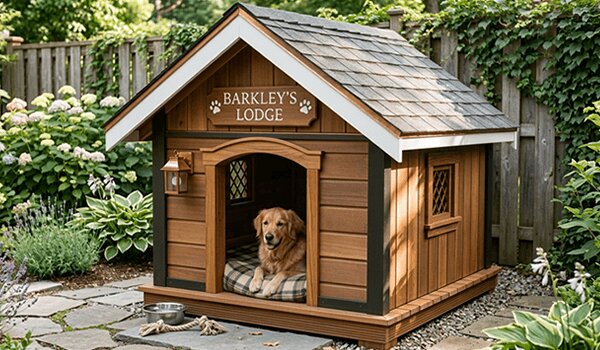
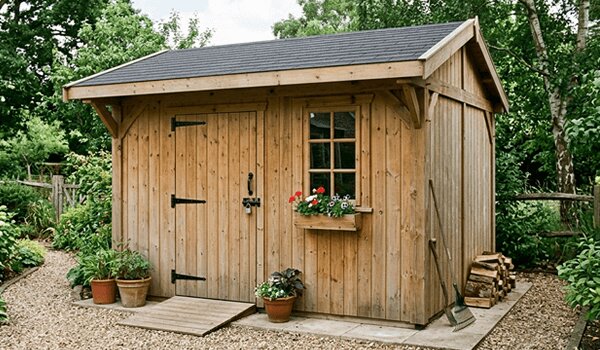
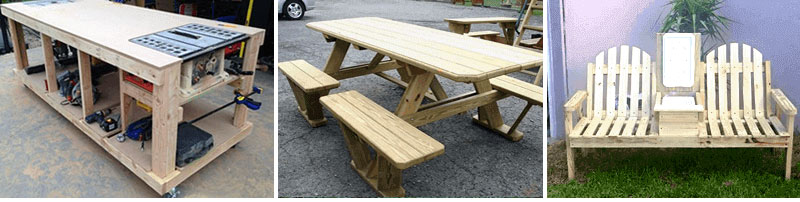
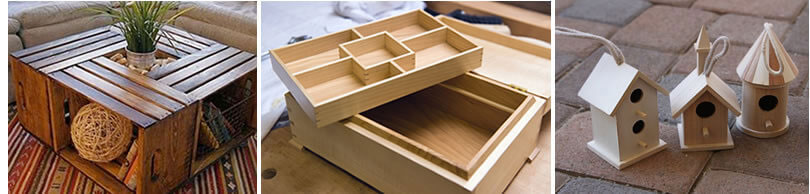
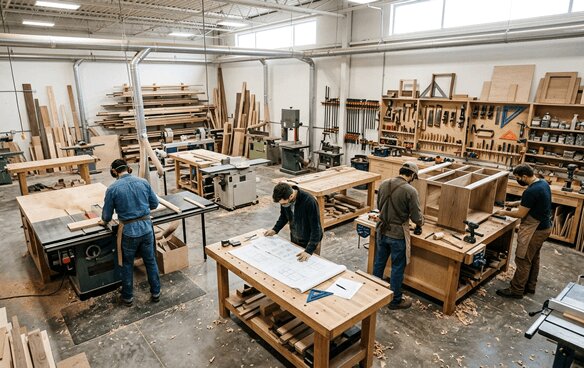
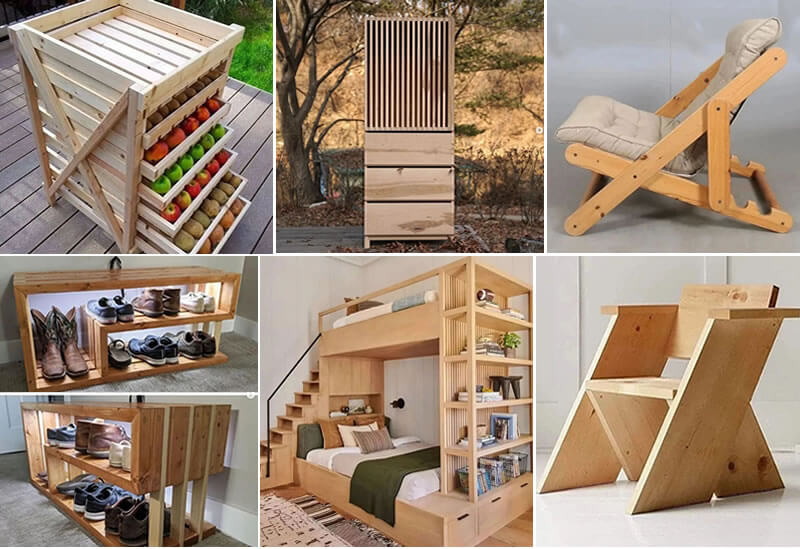
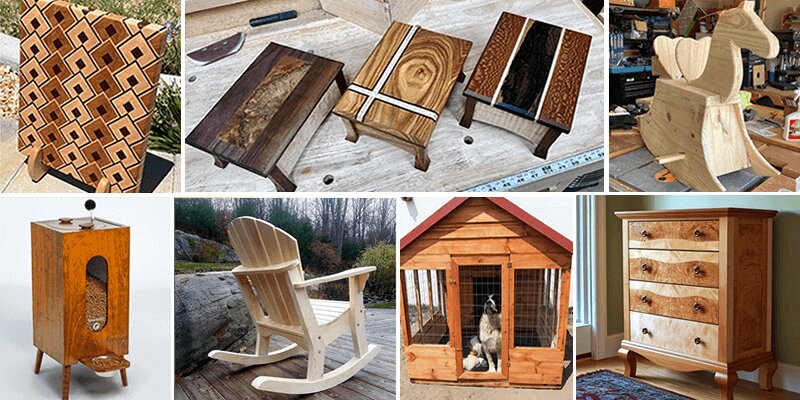
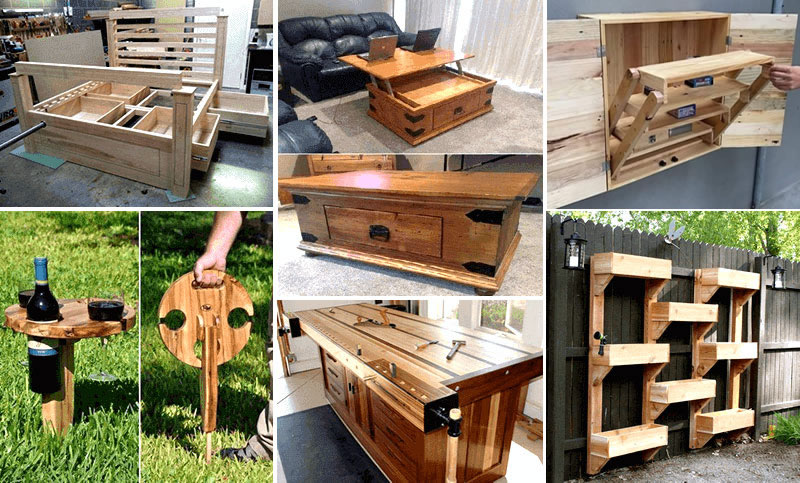
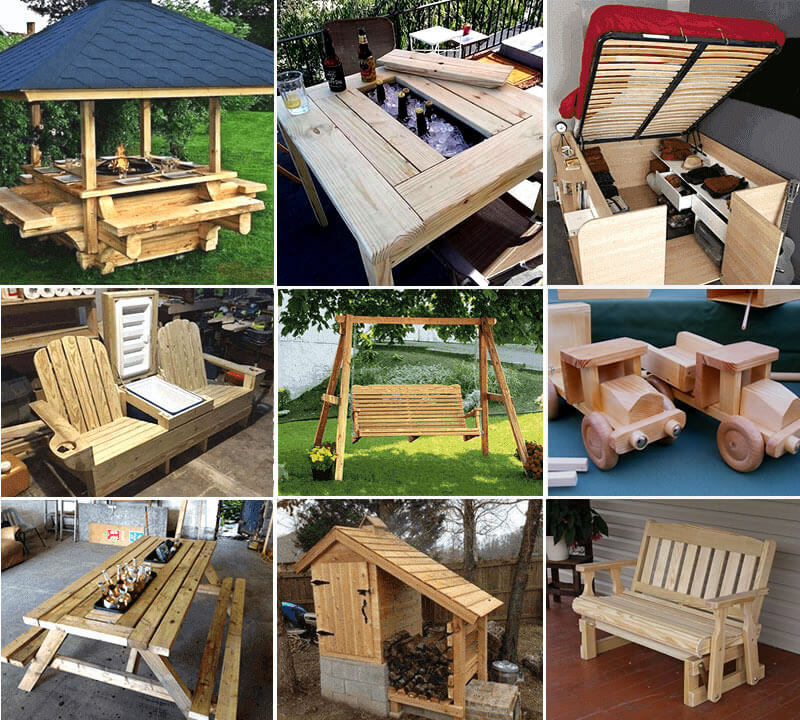
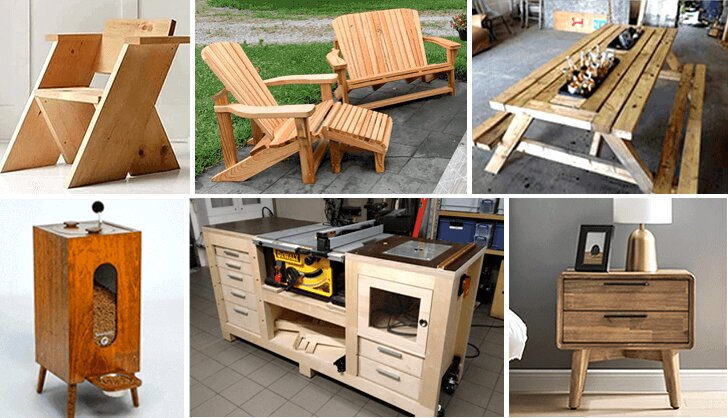
TedsWoodworking lists more than 800 plans in its Animal & Pet category and more than 2,150 in Outdoor & Garden, and every plan in the 16,000-plan library comes with step-by-step instructions, an exact cut list and a complete materials list.
A look inside TedsWoodworking

FAQ
What size hole should a birdhouse have?
It depends on the bird: 1 1/2 inches for eastern bluebirds, 1 3/8 for tree swallows, 1 1/8 for black-capped chickadees and 1 inch for house wrens.
Should a birdhouse have a perch?
No. Cavity-nesting birds do not need one, and a perch helps predators.
What is the best wood for a birdhouse?
Untreated cedar, pine or cypress, at least 3/4 inch thick.
Which direction should a birdhouse face?
For bluebirds, NestWatch suggests east, toward open habitat.
Next step
Decide which bird you want to host, look up its hole size in the table above, and buy that drill bit before anything else.
Based on nest box specifications from the Cornell Lab of Ornithology’s NestWatch program and hole-size guidance from the North American Bluebird Society. Product details for TedsWoodworking are from the vendor’s published offer page as of September 29, 2026.